











Final Destination 3 isn’t typically considered the best entry in the franchise. That honor usually goes to the original, which created the enticing concept in the first place, or the sequel for its iconic highway opener. But the third movie in the series is still a fan-favorite horror classic. The film moves at a rollercoaster pace (pun fully intended), leaning into inventive kills, dark humor, and a crowd-pleasing sensibility that makes it ideal for a packed theater or a loud watch party with friends. It also marked a subtle shift for the series. While the first two films were preoccupied with the heavy theme of death’s inevitability, Final Destination 3 pivots even further into spectacle-driven horror. That approach delivers big highs but eventually led to diminishing returns for the franchise, until Final Destination: Bloodlines arrived in 2025 and fused the fatalistic tension of the early films with the crowd-friendly thrills of the later ones.
Released on Feb. 10, 2006 (six years after the original film introduced audiences to the brutal consequences of cheating death), Final Destination 3 begins with one of the franchise’s most memorable premonitions. High school student Wendy Christensen (Mary Elizabeth Winstead) foresees a catastrophic roller-coaster accident, saving herself and several friends just moments before the vision comes true. It’s a pretty typical setup for these films, but returning writer-director James Wong isn’t particularly interested in unpacking the overly lengthy exposition about the rules of the series yet again. Instead, as Death begins reclaiming its victims in increasingly elaborate ways, Wong embraces spectacle, comedy, and communal thrills over the meaning and motivation of mortality. In doing so, Final Destination 3 solidified a shift away from pure existential horror toward crowd-pleasing set pieces.
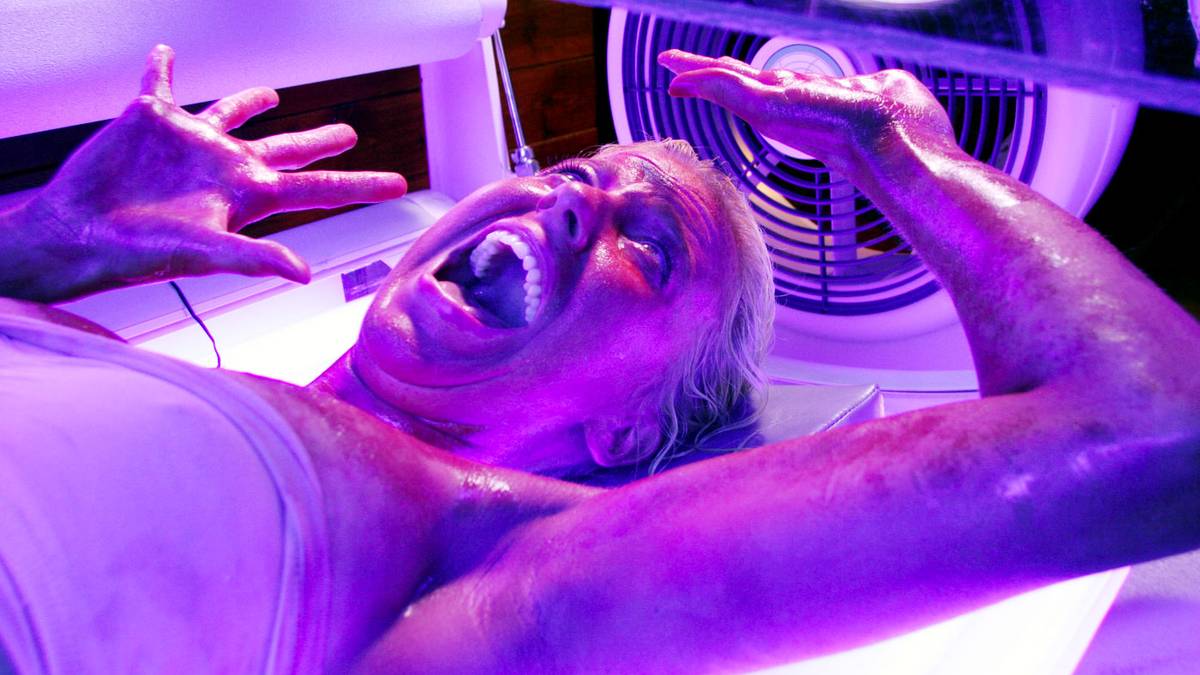
Despite not being considered a franchise best, Final Destination 3 earns points for its effortless rewatchability. The film doesn’t waste time re-explaining the rules, wallowing in paranoia, or following characters as they scramble to figure out whether they’re next on Death’s list. The earlier movies already did that work and told those stories. Freed from repeating the same beats, Final Destination 3 puts its energy into set pieces instead, from the now-iconic roller-coaster opener to the iconic tanning-bed deaths (lifted straight from I Still Know What You Did Last Summer) to a brutal nail-gun kill.
Nearly two decades later, Final Destination: Bloodlines rebooted the franchise by combining the best of both worlds. The film opens with a phenomenal set piece involving a restaurant’s grand opening at the top of a new skyscraper, which quickly devolves into violent chaos until it’s revealed to be yet another premonition. Iris (Brec Bassinger) sees it all happen and manages to save everyone, herself included. But decades later, Death isn’t just coming for the survivors who escaped that night, but for the children and grandchildren who were never meant to exist in the first place. Bloodlines introduces a whole new cast that needs to learn Death’s rules if they want to survive an increasingly complex series of violent “accidents.” Bloodlines works because it’s genuinely invested in its story, much like the original film, while pushing the concept forward with a protagonist who manages to stay ahead of Death for an entire lifetime. It brings back the paranoia and desperate pattern-spotting that defined the first two entries, while also embracing the absurd, crowd-pleasing set pieces that make Final Destination 3 so enduring (including a particularly brutal MRI kill).
The franchise has always been at its best when it balances narrative tension with the creeping certainty that Death is closing in, and the inventive ways it ultimately claims its victims. Wong, who wrote and directed both Final Destination and Final Destination 3, clearly understood those two competing impulses, even if he rushed through them in his 2006 entry. And thankfully, Bloodlines suggests that the future of the franchise may find a way to unite the best parts of Wong’s two entries into something even better.

![10th Feb: Dum Laga Ke Haisha (2015), 1hr 50m [TV-14] – Streaming Again (6.75/10)](https://occ-0-171-92.1.nflxso.net/dnm/api/v6/Qs00mKCpRvrkl3HZAN5KwEL1kpE/AAAABVfioA-GM-nvI-ADppW2I5j1wTD-v7DYorC83d9Hu8OaRTH1BhRE_63gPJDuj32X4jmRQQY-1tPrz1Ml6wtVWC2An_pt4N67Rbqy.jpg?r=77b "10th Feb: Dum Laga Ke Haisha (2015), 1hr 50m [TV-14] – Streaming Again (6.75/10)")

