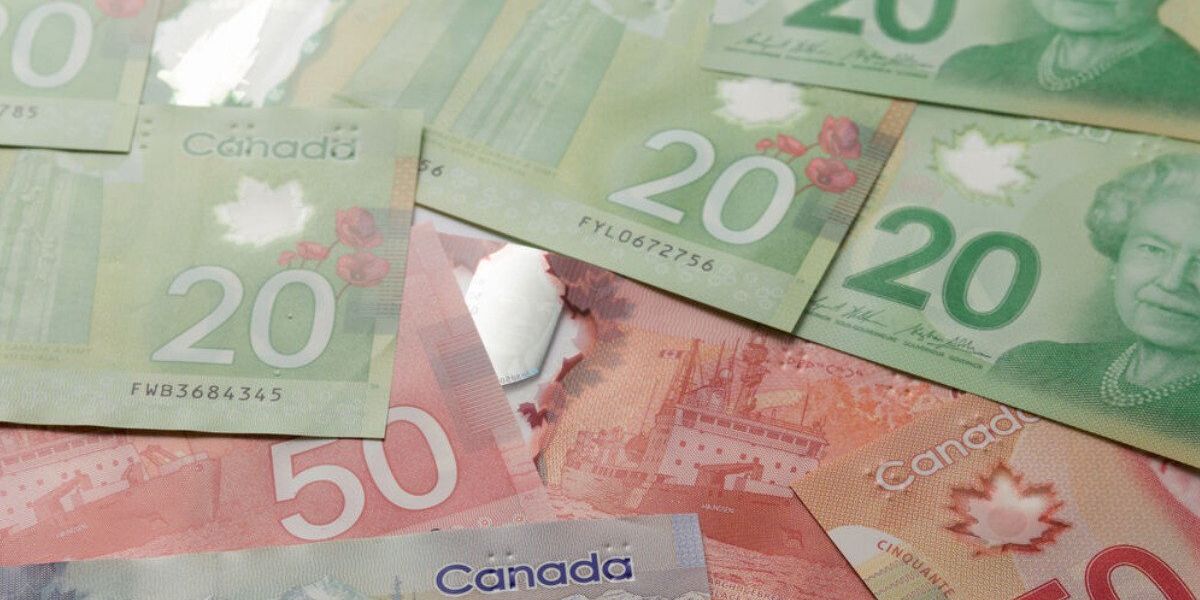







Over 30% of Americans say a pay raise at work would help their financial woes, but that might not be the only thing affecting your finances. Rushed financial decisions and non-essential purchases are the real problem, but we have tips to fix it.
Related: Americans Are Spending Their Hard-Earned Savings— Here’s Some Significant Ways To Cut Back
Americans Discuss Money
In a recent survey by Omni Calculator, 80% of Americans say they have at least one financial regret from 2025. The majority of respondents claimed that spending less than $1000 on a non-essential purchase was the cause of the issue.
Research shows that some people, especially those raised with less financial education or resources, are more likely to make risky, rushed, or poor financial decisions in a bad economy. Impulse spending or taking the first offer for cash rather than waiting and negotiating is more prevalent during economic hardships.
🚀 Parade’s daily newsletter delivers all the stories you care about right to your inbox 🚀
Saving More
The Federal Government tracks Americans’ spending and saving habits and has shown a decline since 2024 in the amount of money Americans have saved. Our savings cushions are much thinner than they used to be, and with the price of goods and services skyrocketing there’s no wonder why.
But you can save money even in a bad economy. We’ve all heard the same suggestions to pack your lunch rather than buy, make your coffee at home, shop at discount stores or thrift shops, and more. But there are other money moves to make that have nothing to do with shopping.
Related: Here’s Our Ultimate List of 105 Side Hustles That Are Trending for 2026
Methods For Saving
If you’re one of the many Americans who run out of money at the end of the month or have had to take a second job to make ends meet, hearing that you should save money can feel laughable or out of touch. If you’re in that position, there are still moves you can make to help you feel less financial stress.
Planning your monthly budget and waiting to make purchases goes a long way. We suggest taking the following steps:
- Gather all your bills and look at your bank statements to see what you absolutely have to pay every month
- Eliminate one to two purchases you can do without to help free up extra money in your budget
- Set a plan for paying bills on time and automate every bill you can
- Allocate a weekly or monthly total for a treat or splurge and stick to that amount
- Plan a big purchase and save towards that goal
- Wait 24-48 hours before making a large purchase to consider if you really need it
- Compare prices on everything from groceries to a new car and go with the best deals, even if they aren’t as convenient
The economy is tough right now, but you can have more control over your monthly finances. Yes, a raise at work will help, and you should ask for one, but making better financial choices every day will help you save in the long run once we’re through this current crisis.
Disclaimer: This article is for informational purposes only and does not constitute financial advice.

![28th Jul: Private Eyes (2021), 5 Seasons [TV-14] (6/10)](https://occ-0-8167-92.1.nflxso.net/dnm/api/v6/0Qzqdxw-HG1AiOKLWWPsFOUDA2E/AAAABZeRj9wF9pdBAi8atHuCvfCrn9zK2O47o-lTfSoSp9iGgvkmomA6W50Wb4Z0BZt_X_0TVoqr3E75dZlpFrvm8k67u5-IEU2zWT2i_jjwHhPuSL_exRLluTK9J8pN_SgeooqyH_mHhgWMb38GLfnSH5vVQEEAJGPb9DB4F5jfyxb6Fg.jpg?r=12a "28th Jul: Private Eyes (2021), 5 Seasons [TV-14] (6/10)")