![5th Oct: Sincerely Louis C.K. (2020), 1hr [TV-MA] (7.1/10)](https://occ-0-1522-1001.1.nflxso.net/dnm/api/v6/0Qzqdxw-HG1AiOKLWWPsFOUDA2E/AAAABddEg9puLD4IGM5mVit5D7HxN3lC60oApxGFl23v6xjPqqgOe0ev1787BgAF_M_0rPcbFPGUjLXaGPpLhLTs2m3Oszw9lMjhHWk1o45kC0Tji-nfrc1eDCME7QfCTqpxKAoopYbwhlMByuYh26WUyYokqYy2fNSmxcy7Bc9t4aMEZw.jpg?r=c10 "5th Oct: Sincerely Louis C.K. (2020), 1hr [TV-MA] (7.1/10)")







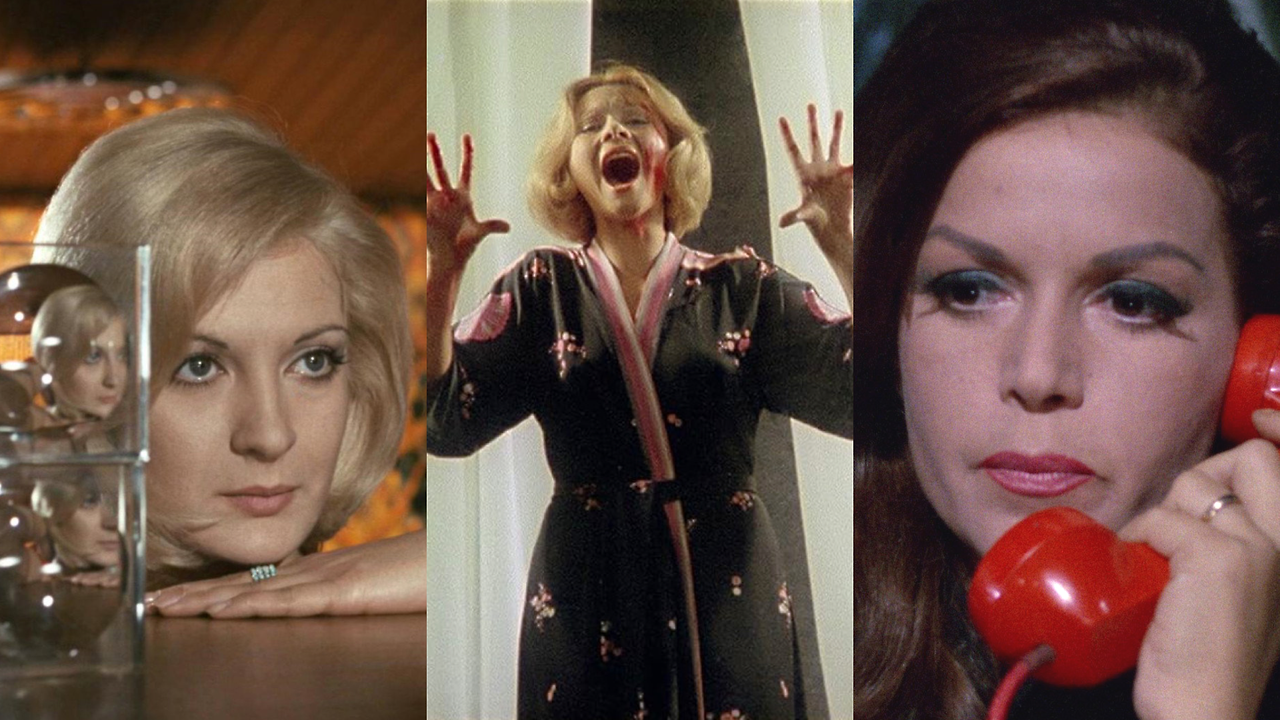
You don’t simply watch a giallo—you feel it. It’s impossible to apply logic to this bizarro Italian horror subgenre; you need to ride its strange grooves and rhythms. You must resist asking questions like, “What nationality is anyone supposed to be?,” “What does their real voice sound like?” and “Will the ending actually make sense?”. Every time you sit down with a giallo, you put yourself at the filmmaker’s every sadistic whim. It’s a beautiful, vulnerable position to be in, and the results are often richly rewarding.
Giallo—derived from the Italian for ‘’yellow’—has its roots in a series of mustard-coloured Italian crime novels, including translations of Agatha Christie and Raymond Chandler novels, which were then adapted into films. These films subsequently mutated from straightforward literary adaptations to stranger, more eccentric beasts. What giallo cinema does, essentially, is take the murder-mystery formula and fuse it together with elements of slasher, psychological thriller, perverse erotic thriller and grisly horror. If that doesn’t sound weird enough: throw in a hodgepodge cast of actors, ecstatic camerawork and a soundtrack of head-pounding Italo disco and prog-rock.
In seeking out horror films this time of year, it can be easy to reach for Friday the 13th or one of its imitators, because there’s comfort in the simplicity of American slashers—but the oddness and inconsistency of the giallo genre challenges its viewers. To paraphrase Bong Joon-ho: once you overcome the barrier of incomprehensibly bad dubbing, you will be introduced to so many more amazing films.
The specificity of giallo is what makes it gialllo—it is not, for example, Suspiria. A slasher film set in Europe does not a giallo make. To officially qualify as a giallo, a film must incorporate a mystery, namely a whodunnit aspect; Suspiria does not possess this, and hews closer to strict supernatural horror. For the purposes of this list, we’ll be focusing more on traditional examples within the golden age of giallo, from the ’60s through to the ’80s.