






![20th Dec: Dave Chappelle: The Unstoppable… (2025), 1hr 15m [TV-MA] (6/10)](https://occ-0-858-92.1.nflxso.net/dnm/api/v6/Qs00mKCpRvrkl3HZAN5KwEL1kpE/AAAABZDHWYohBpSXBxCZcSA4nvGc-o0PFfdr6zuhvjD4cAcnHzBvoZTssb7GH5pRdwbvgkU17DD-IOh-N4e1wuPKV-JkWsKGR6J8kUdrLOU8kFaaHzystLV43rmQrR2AlKcI3nXzF-WMbwRZad4zzWz8HsNBdi4DozVoo7XDK6nkFKo7og.jpg?r=2c5 "20th Dec: Dave Chappelle: The Unstoppable… (2025), 1hr 15m [TV-MA] (6/10)")




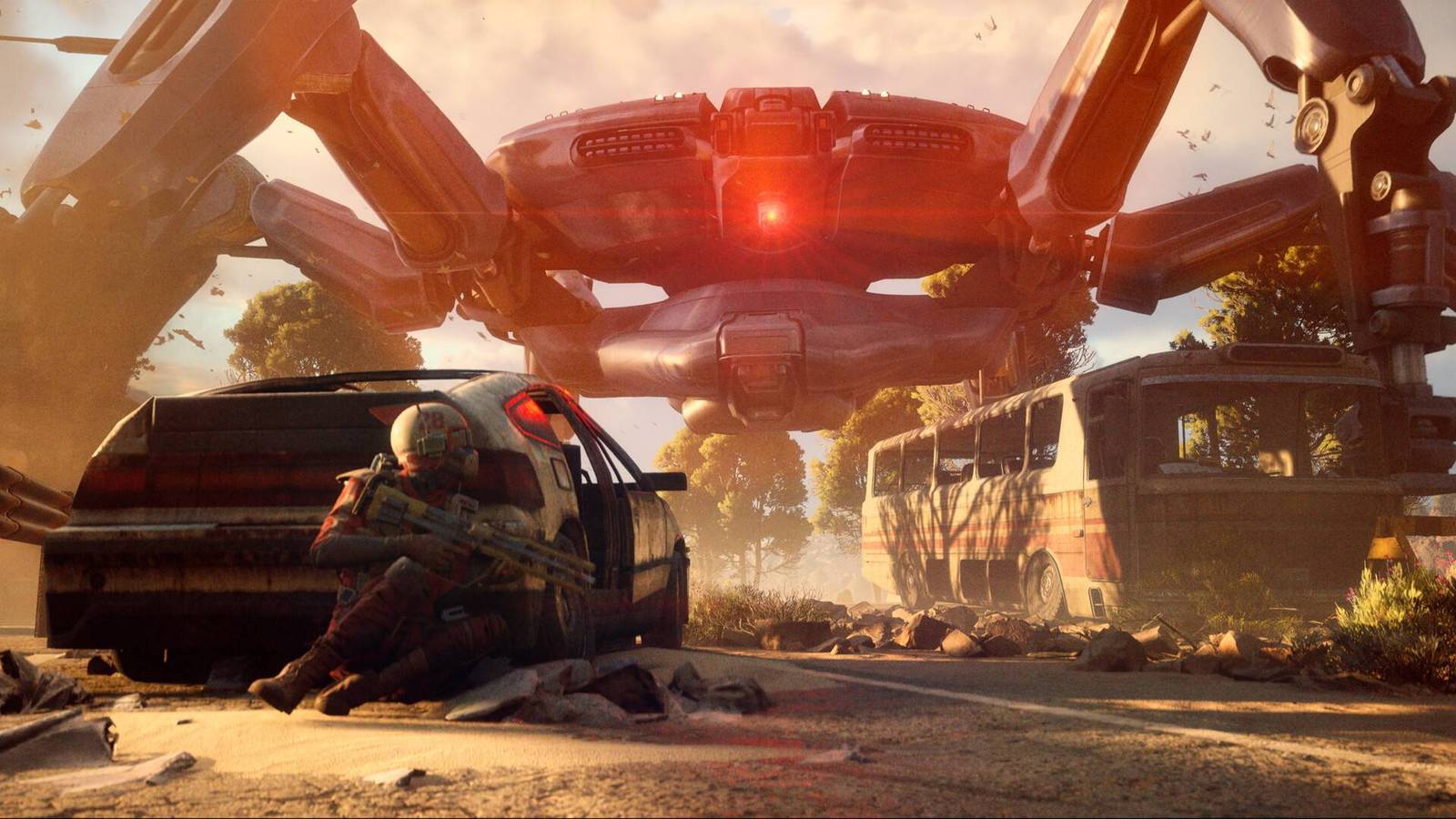
Let’s get one thing straight: Arc Raiders was not the first extraction shooter. Escape From Tarkov is often credited with the founding of the genre, and while that may be true in a standalone sense, the mechanics that define it have been around for a while. The Division mixed PvP and PvE elements with its Dark Zone area in 2014, as did, funnily enough, Old School Runescape’s Wilderness way back in the early 2000s. Sure, you didn’t have to extract anything per se, but you did have to get the heck outta there without dying, lest you lose all of your gear.
Other extraction shooters have been released since Tarkov — Hunt: Showdown, The Cycle: Frontier, and even the DMZ mode in Call of Duty: Modern Warfare 2 to name a few — but Arc Raiders is the first in the genre to truly bring it to the masses. The big 2025 shooter competition was supposed to be between Battlefield 6 and Call of Duty: Black Ops 7, and while you could argue the former won the battle, Embark Studios’ Arc Raiders came out of nowhere to win the war. The game still pulls in more than 300,000 concurrent players daily on Steam alone, as of this writing. You better bet game publishers will take note in the years ahead.
In fact, the upcoming release calendar is poised to become crowded with extraction shooters, meaning Embark may have lucked out immensely with its timing. Beautiful Light is a PvPvE tactical extraction shooter with horror elements; Marathon is Bungie’s next project, set in the distant future; Exoborne‘s selling point is severe weather conditions and effects; heck, even PUBG is getting in on the action with PUBG: Black Budget, an extraction shooter set in a time loop with a battle royale-inspired shrinking zone. Each of these is either due, or expected, in 2026.
If Arc Raiders had been released alongside all of the above, it may have struggled to pull the same numbers or command the same level of attention. The game really is something special, but if the subgenre were more competitive, it definitely wouldn’t have stood out as much. Extraction shooters are considerably more of a commitment than standard arena-based multiplayer fare, because the sense of progression is much more valuable. You complete quests, build up your inventory, and slowly but steadily acquire better gear over time, so while a general multiplayer shooter fan might abandon one game in favor of the next, extraction shooters inherently foster more player attachment.


This path might sound familiar. Hark back to early 2017, when Krafton first released PUBG to near-instant staggering success. (It sold more than five million copies in three months.) Fortnite followed suit and roughly six months later, the two battle royale games went toe-to-toe. Plenty of other competitors have come and gone, some more successful than others — such as Call of Duty: Warzone and Apex Legends — but there’s no denying the fact that the two OGs are the most successful.
Chances are, we’re seeing a similar series of events play out with Tarkov and Arc Raiders, except the attachment that players have to existing extraction shooters means it’ll be even more difficult for newcomers to enter the space. Whereas Tarkov is in the final stages of its nine-year (and counting) journey, with 1.0 finally landing alongside a Steam release and players managing to actually escape from Tarkov, Arc Raiders is only just getting started.
The appeal of arena shooters also appears to be dwindling, which seems like a huge boon for extraction shooters. Battlefield 6 may be considerably more successful by every metric than its predecessor, Battlefield 2042, but even that often hovers around 100k concurrent daily players on Steam — a much sharper drop-off than Arc Raiders has seen in a similar window. Meanwhile, we all know about Black Ops 7’s struggles with player count, retention, and Activision’s decision to release two Black Ops games back-to-back.

The big players of the genre right now — Counter-Strike 2, Valorant, Marvel Rivals, and Rainbow Six Siege, for example — are sailing steady, but there aren’t many coming up that seem worth writing home about. Highguard has been pretty universally mocked after its reveal at The Game Awards, despite having some prestige in its development team with members who worked on both Apex Legends and Titanfall. Hell Let Loose: Vietnam will draw in the hardcore, realism crowd, but it may not pull in those who prefer a true arena environment. Splitgate 2 has just relaunched, but after its underwhelming initial release, I doubt it’ll do much to move the needle, even though the portal-shooter concept is a fascinating one (and the competitive mode for its closest competitor, Halo Infinite, is in its twilight era).
Arc Raiders is in the middle of its Cold Snap event right now, but beyond that, we haven’t been privy to the 2026 plans for this year’s best multiplayer game. There’s been plenty of discussion lately around expeditions and how Embark Studios’ handling of this opt-in soft-reset mechanic is their first misstep, but provided the Sweden-based developer can keep injecting fresh content, there’s no reason to think the game will drop off any time soon. Any competitors hoping for a slice of the pie are going to be in for a tough time though, because a start like this means Arc Raiders is set up for long-term greatness. With just two months to its name, Arc Raiders had one hell of a 2025. Let’s see what 2026 has in store for it.


![20th Dec: Kamisama Kiss (2012), 13 Episodes [TV-PG] (7.05/10)](https://occ-0-858-92.1.nflxso.net/dnm/api/v6/Qs00mKCpRvrkl3HZAN5KwEL1kpE/AAAABQxO3M3zEM8FAJBHOurBWLlR75R2KxXpToCO-7GJS0lp-w-7L3LP38-qr2y2B7Kw7MqBKgPZU8jZF9AXC6oipySePvZNbojsw0Kh01iIgAYKu6uhFIfkUzsGPYmDG9LJvjC8V5J5xyPgdzhjEzrDMSCSzMs2IMapi7khJNA21nVAUQ.jpg?r=d1c "20th Dec: Kamisama Kiss (2012), 13 Episodes [TV-PG] (7.05/10)")