



![28th Aug: Meaningful Places (2026), 2 Seasons [TV-14] – New Episodes (6/10)](https://occ-0-8166-1007.1.nflxso.net/dnm/api/v6/0Qzqdxw-HG1AiOKLWWPsFOUDA2E/AAAABbrlsM3UVRlU50hItfpN5L7TH_8x2vp6jaXYcBdTSf4jCkG0FHtgFt9R1SnUO0BdyVlAN5wBqotHTCT66QrNAdJDUSQbdMCNSfCXzsYBzrEklbPNuf3F2ljSDnr05vlo3vORZXwD1T66yloL04M2hd_14JftTyxHk8qLzW-i.jpg?r=0a4 "28th Aug: Meaningful Places (2026), 2 Seasons [TV-14] – New Episodes (6/10)")




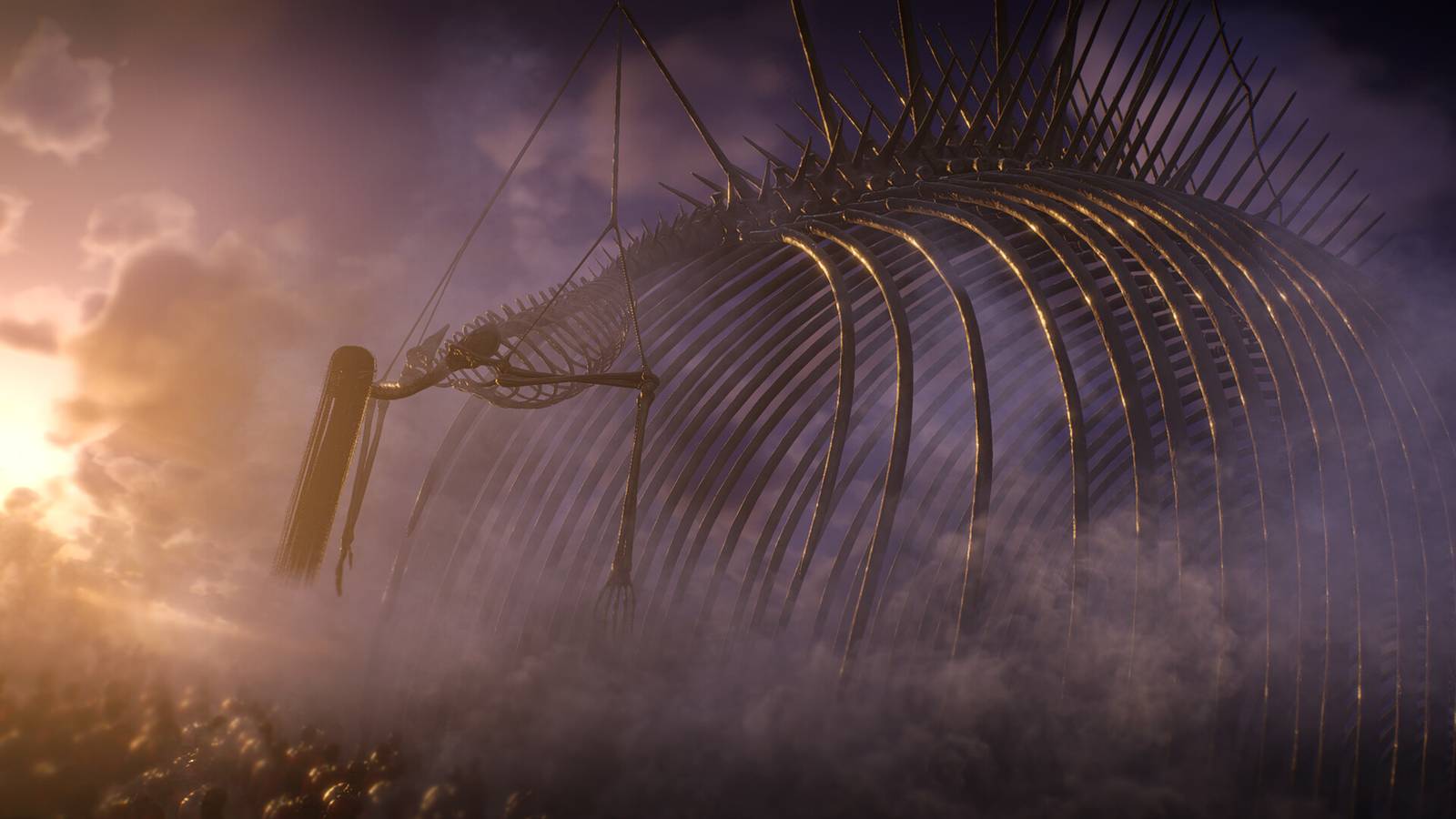
Three years removed from the anime’s finale and eight since the last video game release, Attack on Titan fans are finally getting the fully immersive experience they’ve been dreaming of. Koei Tecmo’s upcoming Attack on Titan 3, which just got announced with a thrilling trailer during Summer Game Fest 2026, will incorporate the entire story of Hajime Isayama’s groundbreaking manga, allowing would-be Scout Regiment soldiers to witness the fall of Wall Maria firsthand and fight their way all the way to the series’ climactic final battle.
For most anime games, from Dragon Ball Z: Kakarot to One Piece Odyssey, faithfully adapting the source material is the selling point. However, Attack on Titan 3 faces a stranger challenge: By recreating the entire story from beginning to end, the game isn’t just adapting one of anime’s most beloved series, but reviving one of anime’s most fiercely debated finales. Years after Eren Yeager’s last stand divided the fandom, players are about to experience the saga in an entirely new medium. It raises an intriguing question: does the ending of Attack on Titan feel different when you’re the one fighting through it?
The discourse surrounding Attack on Titan’s finale has always been unusual because it effectively split the fandom into two irreconcilable camps.
When the manga ended in 2021, the reaction was explosive. Entire corners of the fandom were devoted to dissecting the finale’s perceived flaws. Some viewed Eren’s fate as a tragic culmination of the series’ themes, while others saw it as a rushed conclusion that undermined years of rich character development. Criticism centered on everything from Eren’s motivations and relationship with Mikasa to the story’s final revelations surrounding fate and free will.Even today, the finale’s reception is remembered as one of the most divisive backlashes in modern manga history, and discussions about the ending can still devolve into a full-scale Titan war within minutes.
Attack on Titan creator reveals his regrets over the anime’s controversial ending in new statement
Hajime Isayama has mixed feelings about Eren Yeager’s portrayal in the final stretch
But here’s the wrinkle: the anime’s final arc was received more positively than the manga’s. Many viewers felt MAPPA’s adaptation improved the pacing, dialogue, and emotional presentation of the final chapters, even if it didn’t fundamentally alter the plot. The prevailing reaction was often some variation of: “Wait, that’s the ending everyone hated?” MAPPA’s adaptation softened many of the rough edges that frustrated manga readers, and that distinction matters because Attack on Titan 3 won’t be adapting the manga. Like the previous games in the series, Koei Tecmo’s new game is designed to closely match the visual style of the TV show and even features the official Japanese voice cast.
For the first time, players will get to experience Eren’s transformation in full, from hot-headed freedom fighter to the architect of the Rumbling as a single uninterrupted journey. They’ll move from the mystery-box storytelling of the early seasons into the political intrigue of Marley and eventually into the moral nightmare that defines the series’ final act.
One of the biggest challenges facing the original ending was time. By the point where Eren revealed his true intentions, fans had already spent years theorizing about his endgame. The gaps between chapters gave entire communities time to build elaborate expectations surrounding his motivations, his relationship with Historia, the future of Paradis, and countless other unresolved mysteries. When Isayama ultimately delivered an ending that prioritized tragedy over triumph and ambiguity over catharsis, many readers found themselves fighting not just the story, but the version of the story they had constructed in their own minds.
Viewed as one continuous narrative, some of Attack on Titan’s most controversial elements may feel less jarring than they did during the manga’s original release, particularly Eren’s development. Fan sentiment surrounding the finale largely hinges on the question: was Eren always supposed to become this person? The answer remains divisive, but revisiting the story from the very beginning reveals just how many warning signs were hiding just beneath the surface. Long before Marley, before the Founding Titan, before the Rumbling, Eren was already a character obsessed with freedom to a frightening degree. The difference is that audiences initially interpreted that obsession as heroic. The ending asks viewers to reconsider it as something far more dangerous.


Even Isayama has publicly reflected on the ending in the years since the manga concluded, acknowledging his own complicated feelings about Eren’s characterization and how parts of the finale were received. That’s what makes Attack on Titan 3 such a fascinating experiment in its own right. Five years after the manga’s finale and nearly three years after the anime’s conclusion, the outrage has largely faded. The memes have mostly died off. The petitions are mostly long forgotten.
The debate, however, remains, and Attack on Titan 3 is about to march an entirely new generation of fans straight into the Rumbling.
|
|
Polygon Summer Game Fest 2026 Live game reveals, world premiere trailers, and what’s next from 40+ developers, publishers, and hardware makers. |
| Dive in→ | |


More info on Attack on Titan 3 will be unveiled on July 1, 2026.
