




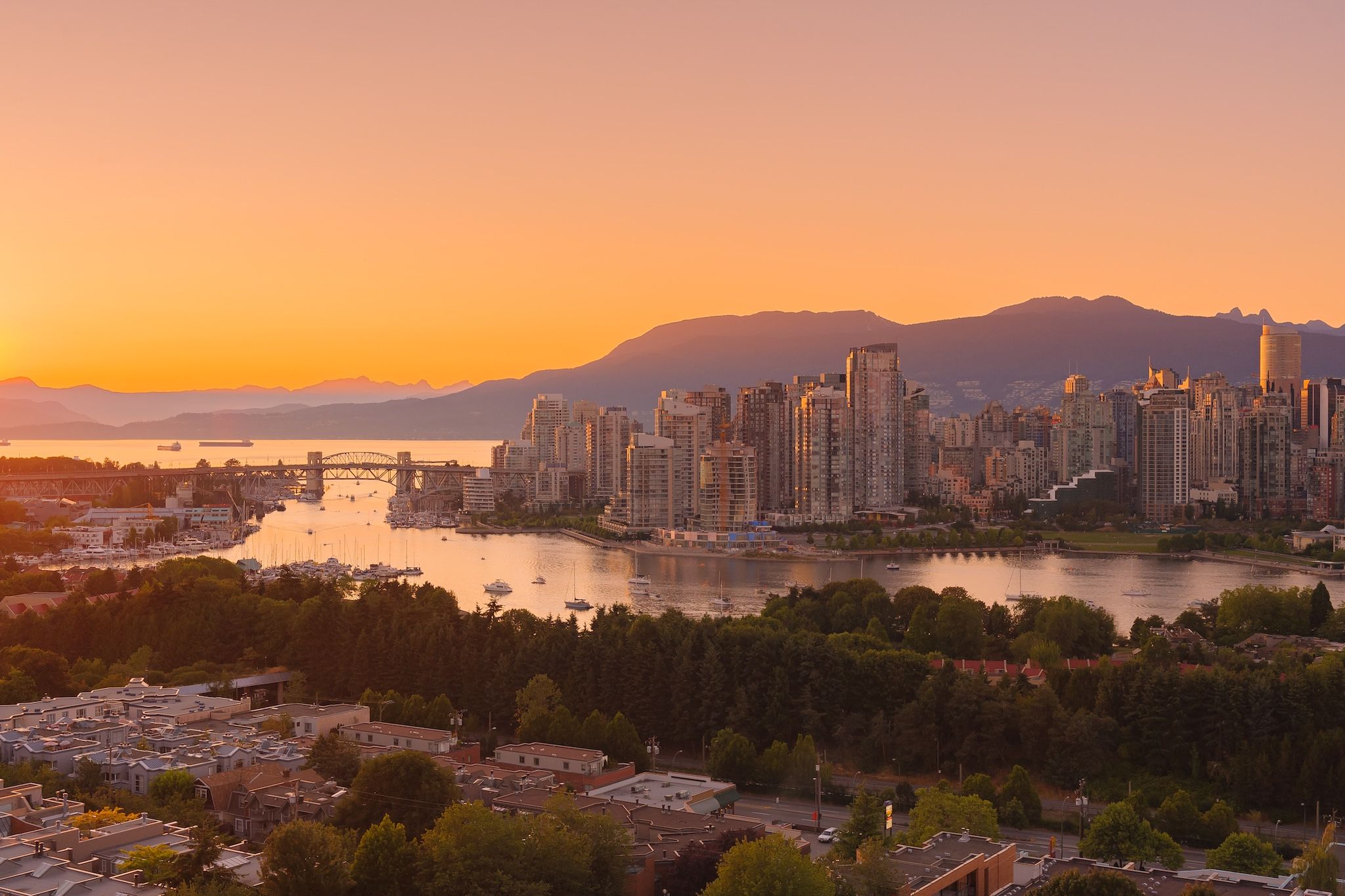
We’re days away from B.C.’s last-ever “spring forward,” as the Province just abolished the century-old practice of setting our clocks forward and back. This means that daylight saving time will soon be permanent year-round, with B.C. officially transitioning to a new time zone (Pacific time).
According to the Province, this change has been made to “improve people’s overall health, reduce disruptions for families, simplify scheduling and provide an extra hour of evening light during the winter months.”
While B.C. made strides to scrap the practice after a record number of residents responded in favour of the move in 2019, the legislation was contingent on the U.S. states of California, Washington, and Oregon being on board. All that has changed now, however, as B.C. has opted to move forward with the change, regardless of evolving circumstances across the border.
When is B.C.’s last time change?
B.C. springs forward once more at 2 a.m. on Sunday, March 8, 2026, meaning our clocks will jump to 3 a.m. on this date.
This means that the sun will set at 7:07 p.m. on March 8, 2026, as opposed to an hour earlier.
What happens after?
After the spring change, B.C. residents will have eight months to prepare for Nov. 1, 2026, when the clocks would normally “fall back” an hour. Instead, clocks will remain the same, and the transition to Pacific time will officially be complete.
Yes, this change means that we “lose” that extra hour of sleep we gain in the fall months, but it also means fewer disruptions to sleep patterns, school and work schedules, daily routines, and more light during winter evenings. Hopefully, this also translates to less seasonal depression!
The change also unburdens small businesses and service providers who typically have to make operational shifts twice a year.
How does Pacific time work?
Pacific time will be set seven hours behind universal time (UTC-7), matching the current offset used during daylight saving time. It will be aligned with the Yukon year-round, matching Alberta and MST regions from November until March.
From March until November every year, Pacific time will align with California, Washington, Oregon and other areas observing Pacific daylight time.
Already, a number of communities in the eastern parts of B.C. do not observe daylight saving time. These regions are on mountain time, and will not be affected by B.C.’s new move to Pacific time. However, as a result of no longer springing forward or falling back, many of these communities will be brought into alignment with the rest of B.C., according to the Province.
For example, Dawson Creek observes mountain standard time year-round, and it will be on the same time as most other places in B.C. year-round. On the other hand, areas like Cranbrook that switch between standard and daylight mountain time will be aligned with the rest of the province during the winter months, but will be one hour ahead during the summer months.
For many, this is the first time in their lives that they won’t change their clocks twice a year.
How do you feel about the move to permanent daylight saving time?
Recent Posts:
These cozy spots and scenic viewpoints in Vancouver are among the most romantic in the city
A historic B.C. village on Kootenay Lake has natural hot springs open year-round