







Brushing twice a day with fluoride toothpaste is a great start, but it’s only part of the puzzle when it comes to maintaining good oral health. There’s a whole world of oral hygiene tools beyond your regular toothbrush that can help you prevent cavities, beat bad breath, and keep your gums in top shape.
Many of us stick to the basics and unknowingly leave plaque behind in places our toothbrushes just can’t reach. That’s where these underused tools come in. Whether you’re trying to step up your oral care routine or solve a nagging issue like gum bleeding or chronic bad breath, the right tools can make a noticeable difference.
If you’re someone looking to take better care of your teeth or have concerns your current routine isn’t cutting it, talking to a Dentist Yonge and Eglinton can be a good starting point. They can assess what’s missing and suggest the right tools based on your needs.
Let’s break down six tools most people overlook but really shouldn’t.
1. Water Flossers: Your Gums Will Thank You
Water flossers, also known as oral irrigators, use a jet of pulsating water to remove food particles and plaque from between teeth and below the gumline. They’re especially helpful for people who have braces, dental bridges, or implants, where traditional floss might struggle to reach.
Unlike traditional floss, water flossers are gentle and easy to use. They’re also effective at reducing gingivitis and gum bleeding in people who find regular flossing too harsh or time-consuming.
Pro tip: If you’re someone who hates flossing or finds it painful, a water flosser can be a game changer. Many patients at Yonge Eglinton Dentist clinics report improved gum health within weeks of switching.
2. Interdental Brushes: Precision Cleaning Between Teeth
Flossing is effective, but interdental brushes take it up a notch. These tiny brushes are designed to fit between your teeth, cleaning out plaque and food particles in areas even floss can sometimes miss.
They come in various sizes and are particularly useful if you have wider gaps between your teeth, receding gums, or dental work like crowns and bridges. Interdental brushes are easy to use and can be gentler than string floss if used properly.
Using interdental brushes once a day, especially before bed, can significantly reduce the risk of gum disease. If you’re unsure which size to use, a quick visit to a Yonge and Eglinton Dentist can help you find the right fit for your mouth.
3. Tongue Scrapers: Say Goodbye to Bad Breath
Your tongue harbours bacteria, food particles, and dead cells that can cause persistent bad breath and even contribute to tooth decay. A tongue scraper is a simple tool that helps remove this buildup, leaving your mouth feeling fresher.
Brushing your tongue with your toothbrush isn’t always effective. A scraper provides a better, deeper clean without triggering your gag reflex as easily.
Why it matters: Studies show that tongue scraping can reduce the sulphur compounds that lead to bad breath. Many dentists at Dentist Yonge Eglinton recommend incorporating this into your morning routine.
4. Dental Picks: Convenient Cleaning on the Go
Dental picks are small, plastic or silicone tools that allow for quick, effective cleaning between teeth without the hassle of using floss. They are easy to carry in your bag or car, making them perfect for post-lunch touch-ups.
Some dental picks are designed with rubber tips to gently massage the gums as you clean, which improves circulation and promotes gum health.
Dental picks aren’t a replacement for flossing or interdental brushes, but they’re a practical tool when you’re short on time and still want to keep your mouth clean throughout the day.
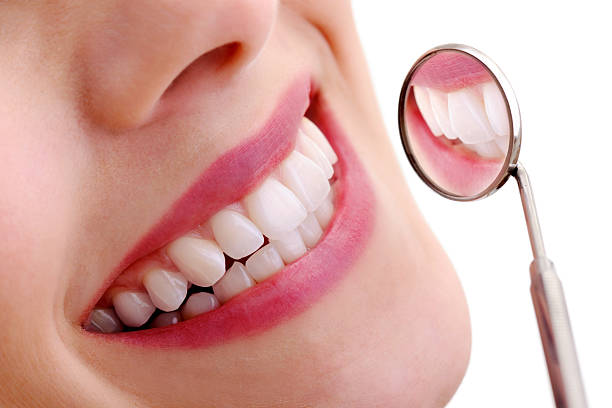
5. Soft Dental Mirrors: Check What You Can’t See
If you’ve ever wanted a closer look at what’s going on at the back of your mouth, a dental mirror is the tool for the job. These small handheld mirrors give you a view of hard-to-see areas behind your molars or under your tongue.
By routinely checking these spots, you can notice early signs of plaque buildup, inflammation, or other issues like white patches or sores that you might otherwise miss. Early detection can mean easier and cheaper treatments.
If you spot anything suspicious or recurring pain while using the mirror, don’t wait. Schedule a checkup with a Yonge and Eglinton Dentist to get it professionally assessed.
6. Electric Toothbrushes: More Power, Better Results
While many people have switched to electric toothbrushes, many still don’t realise just how much of an upgrade they are over manual brushing. Most electric toothbrushes offer timed brushing, better pressure control, and oscillating or sonic motion that removes more plaque.
Electric brushes are especially useful for kids, seniors, or anyone with limited hand mobility. They also tend to make brushing more enjoyable, which helps with consistency.
When paired with proper technique and the tools mentioned above, an electric toothbrush creates a more comprehensive oral hygiene routine.
A Dentist Yonge and Eglinton can recommend the right model for your specific needs, whether it’s sensitivity, plaque buildup, or gum issues.
When Should You See a Dentist?
Using these tools regularly can make a big difference in your oral health, but they’re not a substitute for professional care. It’s still essential to see your dentist at least twice a year for cleanings and checkups.
If you’re experiencing bleeding gums, persistent bad breath, tooth sensitivity, or anything unusual in your mouth, it’s time to book an appointment. A visit to a Yonge Eglinton Dentist can help pinpoint the issue early and prevent it from escalating.
Also, if you’re unsure how to use any of the tools mentioned above, your dentist or dental hygienist can show you how. They can also recommend specific brands or sizes based on your mouth’s structure.
Upgrading Your Routine, One Tool at a Time
You don’t need to overhaul your entire oral hygiene routine overnight. Start with one or two tools that fit your lifestyle and dental needs. For instance, if you struggle with flossing, try a water flosser. If bad breath is a concern, start tongue scraping daily.
The key is consistency. These tools only work if you use them regularly and correctly. Over time, you’ll likely notice fresher breath, healthier gums, and fewer cavities.
As your oral health improves, your dentist may even see fewer issues during your routine visits, which could mean shorter appointments and less need for costly treatments.
Conclusion: It’s More Than Just Brushing
Brushing your teeth is essential, but it’s not enough on its own. Water flossers, tongue scrapers, interdental brushes, and other tools fill in the gaps that brushing alone leaves behind.
By upgrading your oral hygiene toolkit, you’re investing in your long-term health. Your teeth, gums, and breath will all thank you, and your dentist will too. Whether you need guidance, a demonstration, or a full dental assessment, a Dentist Yonge and Eglinton can be a trusted partner in your journey to a healthier smile.
Don’t wait for a problem to arise. Take the proactive step and connect with a Yonge and Eglinton Dentist to ensure your dental care is as complete and effective as possible.