
![22nd Jul: Every Day (2018), 1hr 37m [PG-13] – Streaming Again (6.2/10)](https://occ-0-937-2705.1.nflxso.net/dnm/api/v6/0Qzqdxw-HG1AiOKLWWPsFOUDA2E/AAAABQ98aaK6V1oEbYAKX_nPr7Ag1GMFcAcKFwcimK068PfjzjcNSyy4-AlJrr6gXfvXZH8zW73StdIQudxzvQvjQGqm3qbIdtnRPGPb.jpg?r=b63 "22nd Jul: Every Day (2018), 1hr 37m [PG-13] – Streaming Again (6.2/10)")





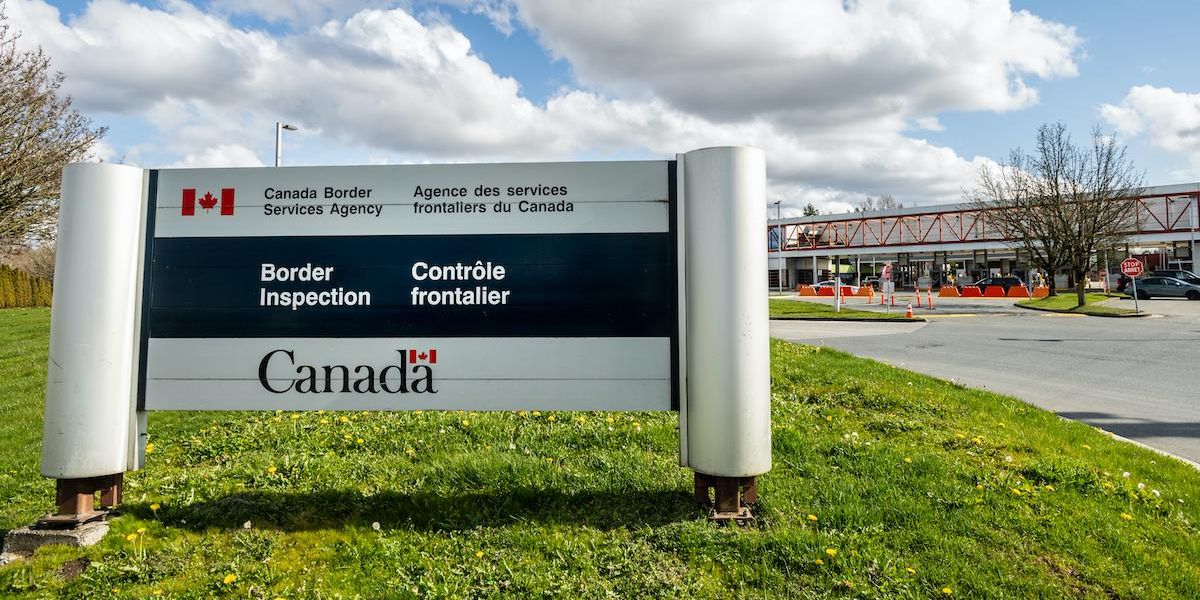
With the FIFA World Cup kicking off next month and summer travel ramping up, the federal government has moved quickly to put new border rules in place.
The Public Health Agency of Canada announced on May 26 that the government is introducing temporary border measures in response to an Ebola outbreak declared in the Democratic Republic of the Congo and Uganda earlier this month. Increasing risks have also been flagged in South Sudan.
The measures take effect starting May 27 at 11:59 p.m. EDT.
What’s changing at the border
For the next 90 days, Canada is suspending immigration documents for residents of the three affected countries. People from the Democratic Republic of the Congo, Uganda and South Sudan who hold a previously approved temporary resident visa, electronic travel authorization or permanent resident visa will not be permitted to travel to Canada during the suspension. Processing of new applications from residents of those countries is also being paused.
A second measure kicks in May 30 at 11:59 p.m. EDT and runs through August 29, 2026. Canadian citizens, permanent residents and foreign nationals who have been in any of the three affected countries within the previous 21 days will be required to quarantine for 21 days upon arriving in Canada, provided they have no symptoms. Those without a suitable place to quarantine will be provided one. Anyone arriving with symptoms will be isolated at a hospital for further assessment.
People from the affected countries who are already in Canada are not impacted and can continue their authorized stay. Canadian citizens and permanent residents who travelled to the affected regions can still return home but will be screened at ports of entry.
What is the Bundibugyo virus?
The current outbreak is caused by the Bundibugyo virus, one of several viruses that fall under the Ebola disease umbrella alongside the more widely known Ebola virus, Sudan virus and Taï Forest virus. Symptoms typically appear between two and 21 days after exposure and can include fever, chills, headache, muscle pain and fatigue, potentially progressing to vomiting, diarrhea and bleeding.
The disease can be fatal, and the Public Health Agency stresses that the sooner a person is diagnosed, the better their chances of survival.
There is currently no approved treatment for Ebola in Canada, though patients can receive supportive care at designated treatment sites. A vaccine called Ervebo is approved in Canada but only covers the strain caused by Ebola virus, not Bundibugyo.
The government is clear that the risk to people in Canada remains low. There has never been a case of Ebola imported into Canada, and transmission would be limited even if an infected person arrived, since the virus requires direct contact with bodily fluids or tissues.
What travellers should know
Canada’s updated travel advisory for the United States now includes a note that some countries have imposed entry measures and health screening for travellers who have recently visited Ebola-affected regions. Requirements vary by destination, so checking with local authorities before departing is recommended.
The government says it will adjust the border measures as needed based on new evidence. Travellers are encouraged to check travel.gc.ca before departing, as things can change with little notice.