




![25th Feb: September 5 (2024), 1hr 35m [R] (6.55/10)](https://occ-0-1508-92.1.nflxso.net/dnm/api/v6/Qs00mKCpRvrkl3HZAN5KwEL1kpE/AAAABZxoKuIrLf_PnQy-YHky6XraWsk3EXuZWkwvJnEnq16wYaFfcrZj9y-ENoG_ahOnTH3ep2hNhJ9T6HKJqnuXU6YI5TtVthy4VHmC-qcMdci9FkDKZZ_zftF3kPTWnfIV52pEjQ9S7xEmbKRQaxqxaND_k0bS4azctZE1aAQfa-l2Aw.jpg?r=3ee "25th Feb: September 5 (2024), 1hr 35m [R] (6.55/10)")




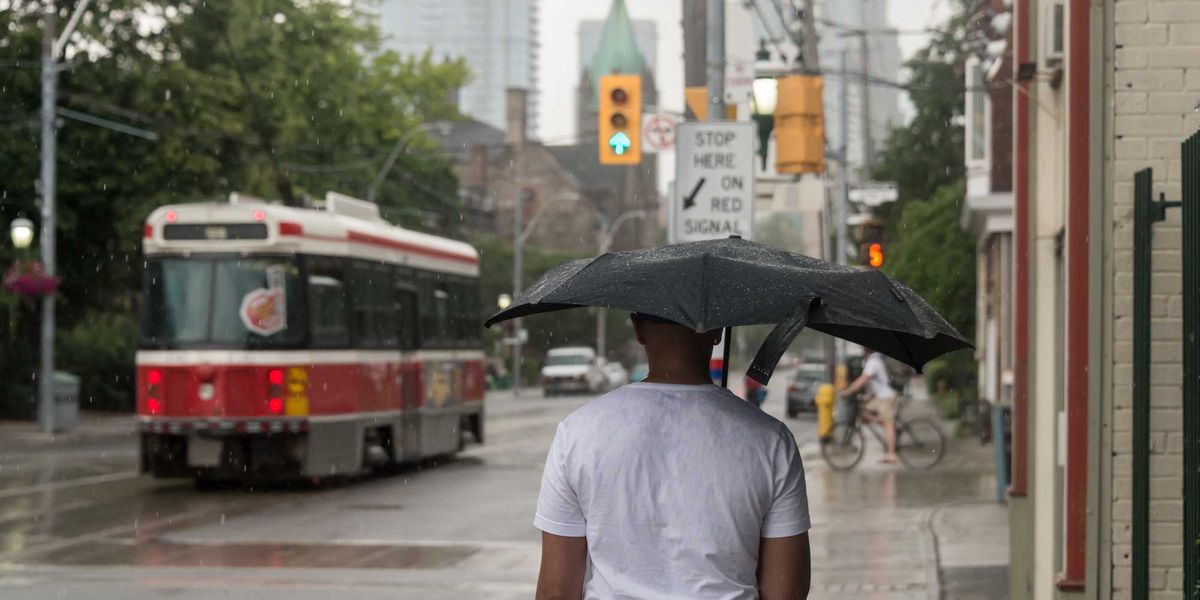
Spring is set for a sluggish and volatile start over parts of Canada, the Weather Network’s seasonal forecast suggests, though there are signs it could close out with a sudden flip to hot and dry conditions.
The journey from winter to summer is never a direct path in Canada, said senior meteorologist Doug Gillham.
Yet, this year in particular, Canada’s weather looks to be ready to take the “scenic route” through spring with some detours, delays and even some backtracking, he said.
What is typically a plentiful season for rain and snow could be even more so across large parts of Canada, especially to start the season, the forecast suggests. Temperatures too could tip to the colder side, at least for March and April.
By May, the signals are far less clear, Gillham said.
“I readily admit that May could blow up that map in terms of how the anomalies play out,” said Gillham.
“For parts of Canada, we think we could see a rather abrupt transition where we suddenly find ourselves in summer conditions after a long winding road,” he said.
The most likely region to see that sudden flip is Western Canada, Gillham said. The greatest uncertainty remains whether that warmth spreads east.
Canada is emerging from a winter marked by disruptions to the polar vortex and the cooling influence of La Nina, a climate pattern that often leads to colder and stormier conditions. La Nina is now fading, with the forecast based largely on how previous springs turned out under similar conditions, Gillham said.
The most recent comparison may conjure some bad memories for Canadians. Gillham says the forecast resembles 2023, the start of Canada’s worst wildfire season on record.
“That does not mean we will repeat 2023, but it’s a bit of a cause for concern. It gives you a heightened vigilance in watching how the spring unfolds,” he said.
The forecast of more than normal rain and snow raises the typical concern of spring flooding, Gillham said.
In the mountains, the snowpack could continue to build with temperatures expected to stay cooler than normal through March and April. If temperatures then flip in late spring, all that water stored in the snowpack could release and raise the risk of flooding.
On the other hand, at lower elevations, the cooler temperatures could promote a slower snowmelt and help moderate that risk. Though even then, just one big rainstorm could tip the balance.
“Definitely some flood concerns during the spring. At this point, no terribly strong red flags; there’s no particular region we’re alarmed about the flood risks, but we’re definitely going to be watching to see how the spring unfolds,” said Gillham.
British Columbia’s south coast arguably didn’t have much of a winter to begin with, Gillham said. A return to a typical late-winter, early-spring pattern in the region should allow for ski areas to salvage the end of a disappointing season, he said. Elsewhere in B.C., near- to below-normal temperatures for the first half of spring are expected to turn much warmer for the second half.
In Alberta, winter came back with a vengeance this month after earlier record-breaking warmth. Spring will bring its changeable conditions, but Gillham said that seasonal roller-coaster may be a bit more heightened than usual.
The first half of the season is expected to tip to the colder side in the province, combined with above normal precipitation, he said. Then in May, he’ll watch to see if conditions flip to hot and dry.
All it takes is a couple of weeks of dry weather to “suddenly end up with a heightened risk for wildfires,” he said.
It’s a similar story across the rest of the Prairies. Saskatchewan and Manitoba will likely trend cooler than normal to start, paired with a more active storm pattern.
Though it’s generally a drier time of the year, if this spring does prove wetter and colder than normal, it could delay preparation for the spring planting season in those provinces, Gillham said. There is no real cause for alarm at this point, but spring will “test our patience as it usually does,” he said.
In Ontario and Quebec, winter started early and it does not appear to be in a hurry to leave.
It’s shaping up to be a sluggish start to spring with colder than normal temperatures across most of the region.
There will be stretches of warm weather and maybe even early tastes of summer-like temperatures, but the heat will lack commitment and be offset by colder weather, the forecast suggested. Above-normal precipitation, especially through April, could also impact planting season preparations.
Canada’s best chance for a typical spring appears to be in Atlantic Canada, said Gillham. While a normal East Coast spring is still a changeable season, the forecast suggests it may not be quite as wild or extreme as other parts of Canada.
Spring is shaping up to be warmer than normal across a large swath of Northern Canada, including Iqaluit and most of Nunavut. Parts of southeastern Yukon and southwestern Northwest Territories could tip to the cool side to start the season but Whitehorse and Yellowknife are expected to be close to normal, Gillham said.
Most of the region is expected to see near-normal precipitation though it could trend dry in May, once again raising the wildfire concern ahead of summer, he said.
What counts as a typical or normal Canadian spring has also changed over recent decades.
Average spring temperatures are about 2.1 degrees warmer now than in the mid-20th century as climate change, driven by the burning of fossil fuels, reshapes the country’s sense of the season. The average growing season now starts about six days earlier, federal data indicate.
This report by The Canadian Press was first published Feb. 25, 2026.
READ NEXT: 2026 is your best chance to see epic northern lights in Canada until 2037 — Here’s where to go
