


![18th Mar: Skylines (2020), 1hr 53m [R] – Streaming Again (5.4/10)](https://occ-0-1081-999.1.nflxso.net/dnm/api/v6/Qs00mKCpRvrkl3HZAN5KwEL1kpE/AAAABSChABQi80GD60KfTBpK_lv39sFWDt9RYwRw_AHQtJtbIqlfxNJDnctaAs-l2eCTmG3tdJd27hZ0gQUs9GMCd1WY0jF8YuaAA-oM.jpg?r=66a "18th Mar: Skylines (2020), 1hr 53m [R] – Streaming Again (5.4/10)")


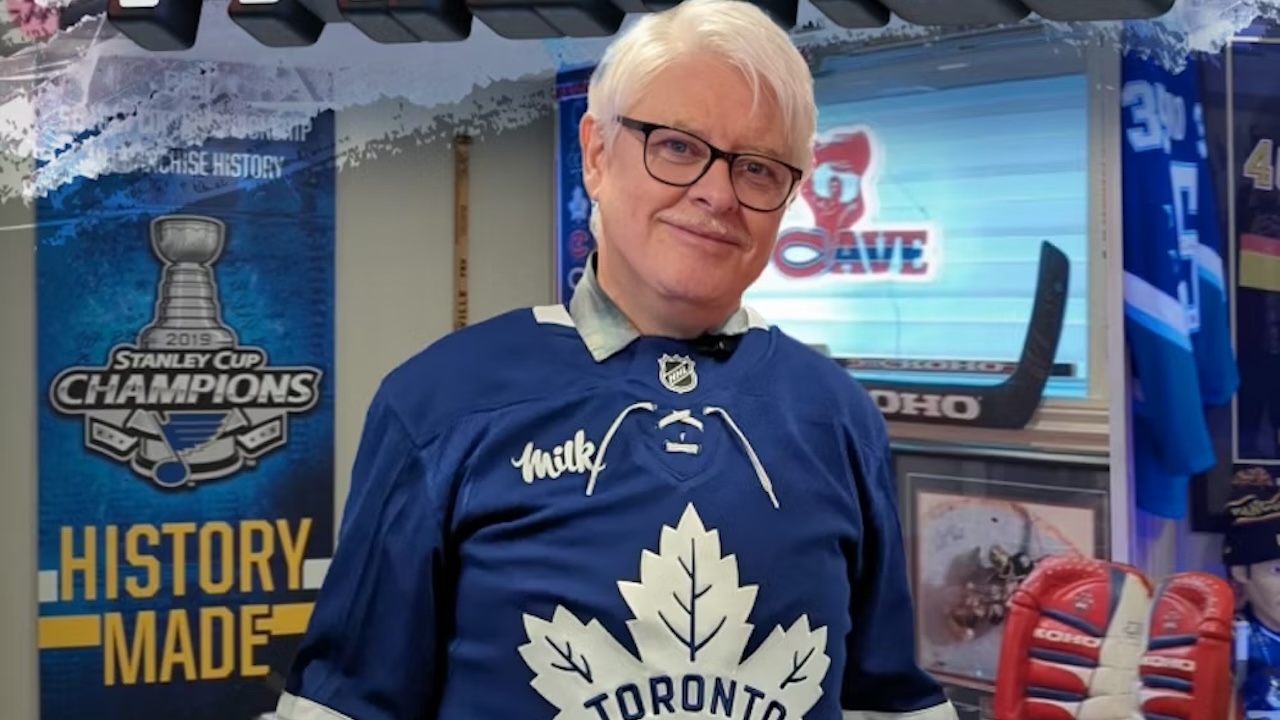
Hockey is having a bit of a moment — so comedian and actor Dave Foley travelled across Canada and beyond to find out why. In the new Crave docu-series Hockey Fanatics, Foley travels to different cities to explore what hockey fandom really looks like on the ground, from the rituals and rivalries to the beloved communities that form around the game. Foley, a lifelong Toronto Maple Leafs fan, brings genuine curiosity (and a lot of joy) to the show, using hockey as an entry point to talk about belonging, identity and collective passion.
Here, Foley discusses how he became involved with the project, what surprised him most about hockey culture, and how fandom can bring people together — even as the sport continues to grapple with issues of inclusivity and toxicity.
How did you come aboard Hockey Fanatics?
Well, it was the guy who came up with the idea — Alex Scrymgeour. He was pitching it around and it eventually got to my agent. They called me and said they were looking for a host. I happen to love hockey more than just about anything else — including my children, really.
The only thing in the world that truly excites me is when the Leafs score.
Since you’re such a big hockey fan yourself, I wonder if there was anything that surprised you about hockey fandom while making the show?
How strong the fan base in Nashville was! I had been there 10 years earlier, and nobody in that town even seemed to know they had a team. So, going back, I wasn’t sure what it was going to be like. The city’s grown a lot, and it’s a really fun town. The arena is a great place to see a game, and the fans are really into it, even when the team is losing. That’s a true hockey town.
You travelled all over Canada on the show. Was there a particular episode that stuck with you?
Doing the Toronto episode was a big one for me. I got to do it with my buddy Mike [Myers], and we were both like giddy children when we got to go into the dressing room and meet some of the players. We were completely starstruck [seeing] Auston Matthews, Mitch Marner, Morgan Rielly, all of them. That was pretty special.
Sports fandom runs deep and strong. What do you find special about the community it builds?
There’s something powerful about collective attention. This might sound a little esoteric, but there’s something called the Global Consciousness Project. It’s a Princeton University experiment studying whether human emotional responses to world events [can affect the output of a worldwide network] of random number generators, and they found that focused attention actually changed the results. Then they wondered what would happen if a lot of people were paying attention to the same thing. They had these generators set up all over the world, just before 9/11. [When that day came,] all of the computers deviated from randomness at the same time.
So, there’s a strange power that comes from collective attention. I think we all feel that when we’re in a movie theatre, when we’re at a concert. When I was a kid, watching The Who and everyone in the arena starts singing along to “Tommy,” there was an energy, and sports does that as well for us. It takes us back to our roots of living in small communities, sharing attention, and experiencing things all together.
That’s incredible, I hadn’t heard of that! It reminds me of Heated Rivalry, and the global fandom around it. When we look at the face of hockey today, there’s that progressive show and its joyous fans, and then, still, the toxicity behind the sport. How do you reconcile those two sides?
Hockey has made huge strides in inclusivity in terms of race and ethnicity; it’s no longer just guys who look like me. I mean, bigger and stronger than me, but equally white. Years ago, I had the privilege of presenting at the NHL Awards with Willie O’Ree, the first Black NHL player. In Hockey Fanatics, we also talk to Mark Fraser, who’s involved in community outreach and inclusivity in Toronto. But when it comes to the bigger question — especially around masculinity — you have to ask whether hockey or any professional sport has really accepted homosexuality. It’s still a very traditional, masculine culture. Statistically, there are gay hockey players, just like there are gay construction workers or doctors. But we haven’t seen that openly represented yet, so there’s progress to be made.
You’ve had such a long and varied career — comedy, acting, now documentary. Does this kind of work scratch a different itch for you?
I’ve always enjoyed traveling for work and meeting people from different places. Stand-up gave me that, and this show definitely did, too. Hockey is really just the starting point for conversations. I’m more interested in people’s lives and who they are.
Being such a passionate Leafs fan, is there a Toronto-centric hockey memory that really sticks with you?
On my ninth birthday, my dad surprised me with tickets to see the Toronto Maple Leafs play the Philadelphia Flyers. My uncle was playing for the Flyers at the time, and it was the first NHL game I’d ever been to, at Maple Leaf Gardens. That’s always stayed with me.
Has getting to make Hockey Fanatics and go behind the scenes changed how you feel about hockey?
Not in the least. I enjoy it exactly the same way. I’ve just gained some great connections — and easier access to tickets at different arenas. That’s a nice bonus!