![2nd Apr: The Bad Guys: The Series (2026), 2 Seasons [TV-Y7] – New Episodes (6/10)](https://occ-0-937-2705.1.nflxso.net/dnm/api/v6/0Qzqdxw-HG1AiOKLWWPsFOUDA2E/AAAABdFSPdt6Mkp2CRSSljnJptawKeB68oQPy4_DiC6iw-NiLcfabKQaGa_6H728Hks3aXTCZ14SVV_RD6gV1leplz2vQDvQTuVs8KsqHyMQfRhwo5xsNWQ084L4bgcno0iRBuPFU8yNmoLyrgAAjNG69u-qMUnekycanEehWAjV.jpg?r=185 "2nd Apr: The Bad Guys: The Series (2026), 2 Seasons [TV-Y7] – New Episodes (6/10)")

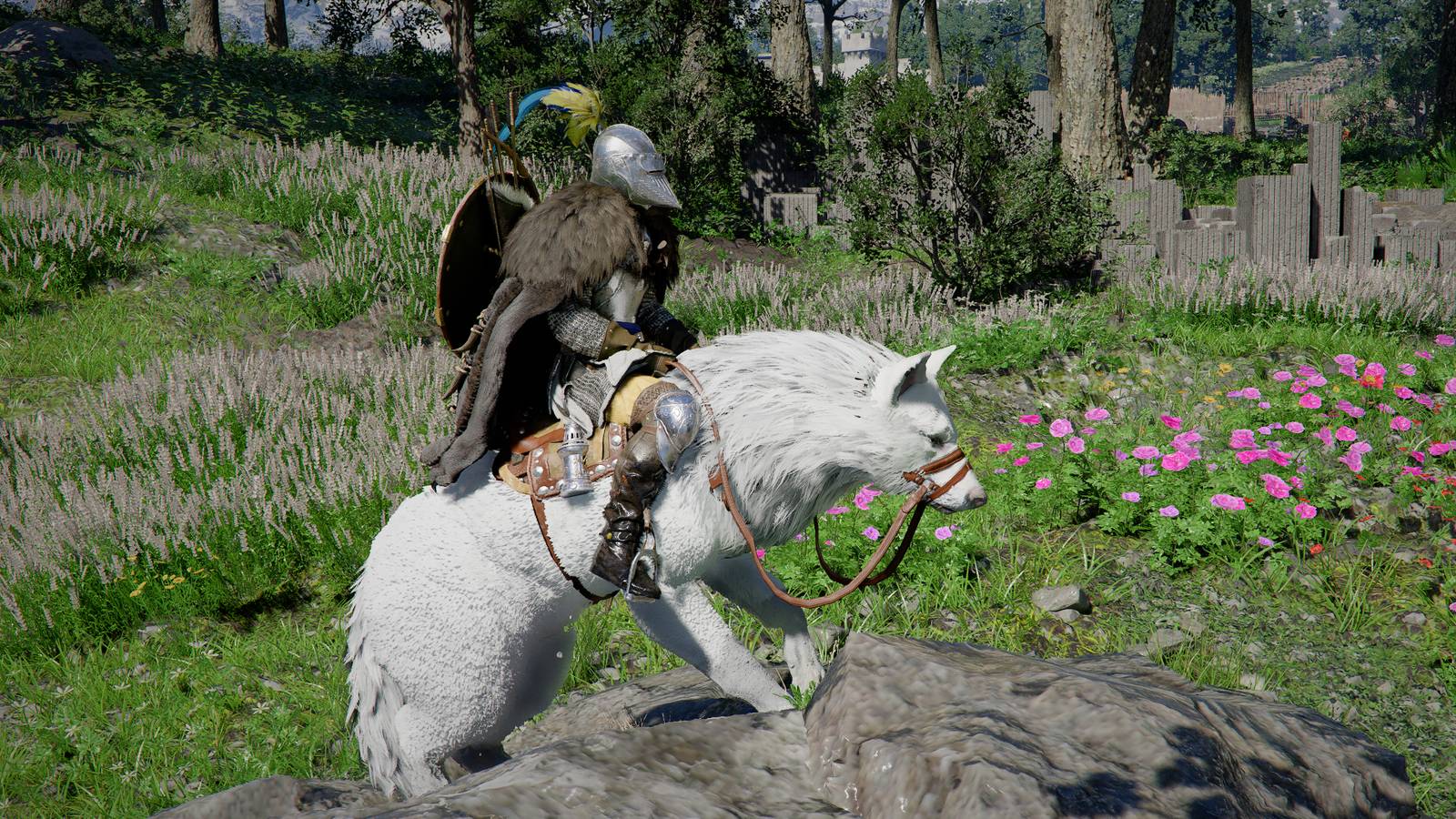




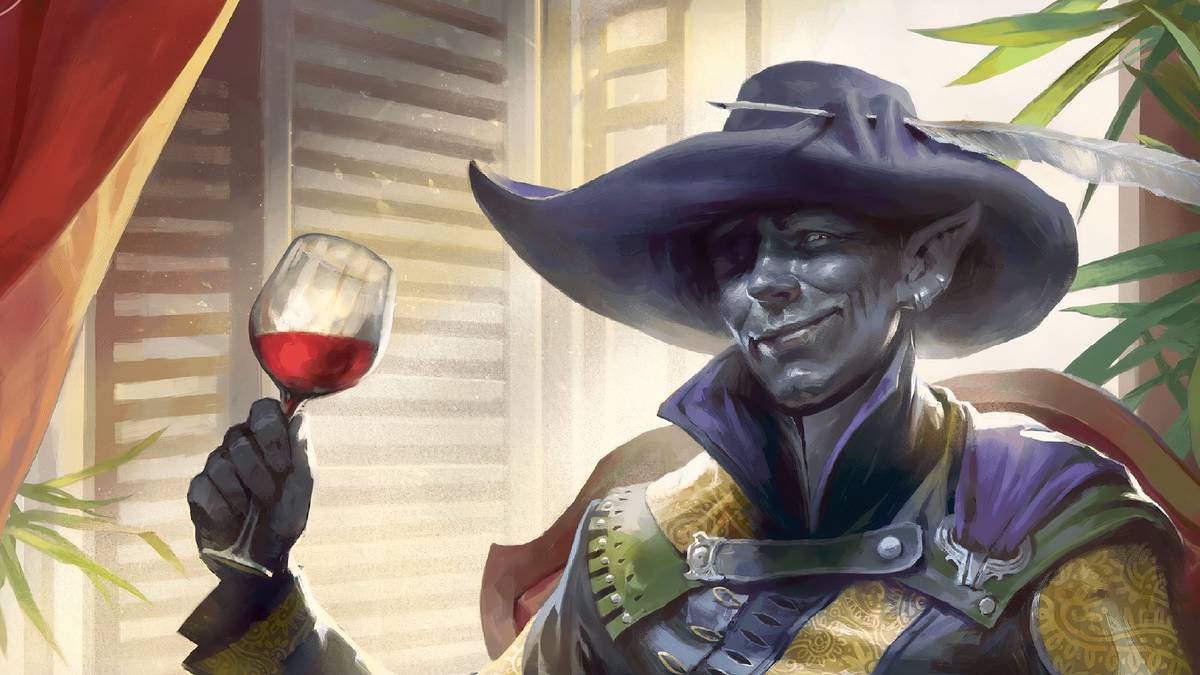
While raiding Xanathar’s lair in the midst of playing through Waterdeep: Dragon Heist, the bard made a disastrous decision. He threw the last bead from the Necklace of Fireballs not at Xanathar, but at the large pile of gunpowder barrels behind the Beholder gang boss. The ensuing blast sent the group careening through an underground cavern, swept away in the currents of a glowing river. The bard himself died, along with the ranger’s panther companion. As they pulled the bard’s lifeless body onto a random shore, a figure emerged from the darkness, threw back her hood, traced an arcane sigil onto the ground, chanted a language they couldn’t understand, and bound the bard’s fading soul onto a nearby suit of armor. “I’m Khatska,” was all she said.
Sure, I stole part of that twist from one of my favorite anime series, Fullmetal Alchemist, but to date, this major character introduction remains one of my all-time favorites in the ongoing campaign I’ve been running for nearly a decade. After wrapping up Dragon Heist as the party’s starting adventure, we gradually broadened out the lore of Uta, the continent where my homebrewed campaign called Dreamweaver takes place. Khatska herself was the first Weaver the party met, an ancient order of specialized magic users who bond with mystical weapons called the Relics of Añur. So I knew I had to make her appear memorable and powerful from the start.
That’s because at a Dungeons & Dragons table, a new non-player character doesn’t get much time to make an impression. A few seconds — a description, a line of dialogue, maybe a single action — and the players have already made a decision. Is this person a threat? An ally? A joke? Someone to exploit, ignore, or protect?
These kinds of snap judgments happen faster than most Dungeon Masters (DMs) realize, and they can define entire adventures. Once the table decides how it feels about an NPC, every future interaction is filtered through that first moment. That’s why NPC introductions matter so much, not because they need to be flashy and memorable, but because they’re an essential part of telling a collaborative story at the table. And oftentimes it’s how the players respond to a character that determines how you, the DM, incorporate them into the story.
To help understand the importance of character introductions in tabletop games like D&D, Polygon spoke with several high-profile DMs and designers in the space to see how they approach those crucial first moments — and why the most memorable NPC entrances don’t always have to involve silly accents or big speeches.
Clarity over detail
For Deborah Ann Woll, best known for her YouTube shows Relics & Rarities and Tales From Woodcreek, the biggest mistake DMs make when introducing NPCs is trying to do too much at once.
“I generally like to introduce characters with a strong visual, a strong auditory, and a strong hook or action,” Woll told Polygon via email. “Visual: What is their most striking physical feature? Auditory: a vocal tic or placement. Hook: what are they doing or representing that makes them interesting to the party?”
That structure keeps introductions focused and tactile. Rather than listing every detail about an NPC’s appearance or history, Woll zeroes in on a few elements to communicate to players how they should read the character. Players don’t need to know everything right away. They just need enough to orient themselves. And having some kind of auditory cue helps amp up the immersion. Woll also isn’t afraid to lean on tropes. In fact, she sees them as tools.
“I always use tropes to help players fill in the gaps,” she says, especially when she plans to subvert those expectations later. A familiar frame gives players confidence, and the twist only works if they feel grounded first.


In her YouTube series Tales from Woodcreek, Woll introduces Miss Vickers in episode 1 with just a handful of traits: spectacles, a clipped voice, and the sharp crack of a yardstick against a desk. The table immediately understands her authority and temperament. And that understanding becomes the foundation for everything that follows.
“I think in most cases, simpler is better,” Woll says. “A few strong details that players can latch onto will always outperform a long explanation.”
Vivid doesn’t have to mean theatrical
That same philosophy underpins Matt Mercer of Critical Role’s approach to NPC entrances, though he frames it specifically as an exercise in sensory immersion. What does the party see, hear, smell, or even taste at that moment?
Mercer encourages DMs to engage multiple senses quickly, but selectively. “Zeroing on a handful of unique characteristics that engage multiple senses can quickly grab attention and intrigue,” he told Polygon. “Two to three distinct visual attributes, how they hold themselves physically, and perhaps a scent that follows them or feeling their presence evokes can instantly paint a vivid picture in your player’s minds before you even speak a word.”
Mercer often physically inhabits an NPC’s posture as he introduces them, using body language to anchor the description. Engaging the players’ senses through simple descriptions communicates so much without relying on exposition. Here’s a pitch-perfect example, straight from Mercer:
“You peer upon a somewhat hunched, scrappy-looking wanderer in earthtone leathers and a thick, red scarf, their wide eyes darting around with their scanning head movements, a grin of yellowed teeth pulled open beneath a scruffy, sunburned face,” Mercer said. “As they make note of your troupe, they approach with unexpected haste, a smell of lantern oil and harsh whiskey wafting from them.”
Mercer also emphasized momentum. NPCs shouldn’t feel like video game characters frozen in place until the party approaches. They each have their own motives, desires, and goals.
“What were they doing before the players arrived?” Mercer asked. Catching an NPC mid-action while they argue, fidget with something, or try to swindle somebody immediately makes them feel like part of a living world rather than a narrative delivery system.
Even one of Mercer’s most beloved NPCs, “the great Shaun Gilmore of Gilmore’s Glorious Goods,” wasn’t carefully engineered to be iconic. “Gilmore was one of those characters that jumped at me with bombastic eagerness to exist as I was developing him,” Mercer said. “The very first moments the players entered his shop and Gilmore walked into their lives with his joyful showmanship and playful flirtatiousness, we ALL fell in love with him in a way even I never expected!”


The entrance worked not because it was designed to be memorable, but because it felt spontaneous and alive. Oftentimes, the party might want to talk to the little weirdo sitting in the corner of a tavern rather than the important NPC you planted at the bar. And it’s up to the DM to lean in and be spontaneous. When done right, even the most insignificant of random characters can wind up being the most memorable.
Focus beats backstory every time
From a design standpoint, D&D’s Game Design Director Justice Arman takes an even more minimal approach, especially when it comes to first impressions.
“Characters are likely to meet a lot of NPCs over the course of their adventures,” Arman told Polygon. To help one stand out, he recommends giving them a single, memorable quirk that appears immediately. Something simple enough to summarize in a sentence is far more likely to stick than a big exposition dump with lots of lore. In this way, he said, a little prep can go a long way.
“Players are more likely to remember the friendly treant whose head rattled with a busy woodpecker, the distressed tavern keep who (futilely) insisted every patron use a coaster, or the beardless dwarf druid who leapt into the fray and wildshaped into a hairless bear when the town fell under siege,” he said.
Arman often prepares a short scene or a few lines of dialogue ahead of time, especially for important NPCs. In one recent example, he introduced a satyr who only spoke in limericks — and could only understand the players if they did the same. For recurring characters, especially villains, he sometimes assigns theme music, reinforcing their presence almost subconsciously. Like Mercer, Arman advises DMs to prepare a few lines of dialogue and write out a potential scene to show, rather than tell, who an NPC is through their behavior.
Keep it plausible, please
Then there’s Matt Colville, head of writing and design at MCDM Productions which publishes Draw Steel. He challenges the entire premise of memorable NPCs head-on.

“I don’t think of an NPC’s value in terms of how memorable they are,” Colville said. “I think of their value in terms of how plausible they are.”
For Colville, NPCs exist to make the world feel real, and real people are often inconvenient, contradictory, and frustrating. They don’t always agree with the heroes, and they don’t necessarily want what the players think is best. The information they provide can — and probably should be! — somewhat unreliable.
That friction is intentional. Colville frequently uses NPCs to reflect how the world perceives the party, especially early in a campaign. Suspicious guards, resentful townsfolk, or uncooperative nobles all force players to confront their own assumptions about heroism and authority. Colville noted that “a certain generation of player” can get frustrated with this approach because they tend to view NPCs like those in a video game. They expect and want a sort of dialogue tree that leads to the right answers for whatever it is they’re looking for.
Colville pointed to an early scene from Dirty Harry (1971) as an example of a strong dramatic entrance that has nothing to do with spectacle. While a crime unfolds in the background, Harry Callahan eats a hot dog in the foreground, visibly annoyed at the interruption. Without dialogue, the audience understands his priorities, his cynicism, and his relationship to violence.
“He’s barely said anything, but all of a sudden you know a lot about that person,” Colville said. “Now that’s a memorable introduction.”
What great intros actually do
Despite their different philosophies, these Dungeon Masters all circle around the same core idea: a great NPC entrance creates immediate understanding and not necessarily immediate affection. Whether through a sharp visual hook, a sensory snapshot, or a single quirk, effective NPC introductions answer one crucial question right away: What does this person want right now? Once players understand that, everything else falls into place.
If the Khatska introduction worked, it wasn’t because of the armor, the spell, or the dramatic timing. It worked because the table immediately understood what kind of person had just stepped into the story: someone powerful, decisive, and uninterested in explaining herself. Did she help them on a whim? Or was she just flexing her power in an effort to intimidate them?
That’s the real trick to a great NPC entrance. You’re not trying to make players remember a silly voice or a costume. You’re giving them enough clarity to react honestly. Once they do, the character stops belonging to the DM alone. From that point on, the table decides who that NPC becomes.

![2nd Apr: LEGO® Ninjago Dragons Rising (2025), 4 Seasons [TV-Y7] – New Episodes (6.85/10)](https://occ-0-937-2705.1.nflxso.net/dnm/api/v6/0Qzqdxw-HG1AiOKLWWPsFOUDA2E/AAAABdEfuJ_tuXSqL6SQbxz4vfD1J0FZz00J2BrkDpC2ETPRKrVM5h6lsfgBrbKxY-4tRb2VforwDJVJXK7pDUOB6lagDlz8zBUpz8RlvEJ_mvWnCTlc2hj68jKrBZYBfFXjxkCRDtReJDKz5WgpDrc9bUdGc4-V2pBVnkXoD18j.jpg?r=1ff "2nd Apr: LEGO® Ninjago Dragons Rising (2025), 4 Seasons [TV-Y7] – New Episodes (6.85/10)")