![31st Mar: Taking the Plunge 2 (2009), 1hr 51m [TV-PG] (5.55/10)](https://occ-0-82-999.1.nflxso.net/dnm/api/v6/Qs00mKCpRvrkl3HZAN5KwEL1kpE/AAAABQX691enbsPMs6eA43hMVlboG4AMbnBJo8J-XSmpuRu8A5E2Iv-ztal8Vw2xSjSyDhVpXNffiWZUI776rMPhOWW-9pqMmjgkjMHW.jpg?r=c9f "31st Mar: Taking the Plunge 2 (2009), 1hr 51m [TV-PG] (5.55/10)")




![4th Apr: High Tides (2026), 3 Seasons [TV-MA] – New Episodes (6.65/10)](https://occ-0-1081-999.1.nflxso.net/dnm/api/v6/0Qzqdxw-HG1AiOKLWWPsFOUDA2E/AAAABQOSRclpmBuC6ePTHJIpeVcy-EWcAAvc8GwfEaEZpmXAcIqZ89kRbP6bn9uyWFXshjoaM1AKQHQ9zyJMpAsms7OSk-hW-jK3Y7Xnyljjx2mh9OYdpPMgyYthd0i364pXBQip6tQjR1UsZQR4csR8mcmlmU5MMZblHMpZq3Bg.jpg?r=a0c "4th Apr: High Tides (2026), 3 Seasons [TV-MA] – New Episodes (6.65/10)")


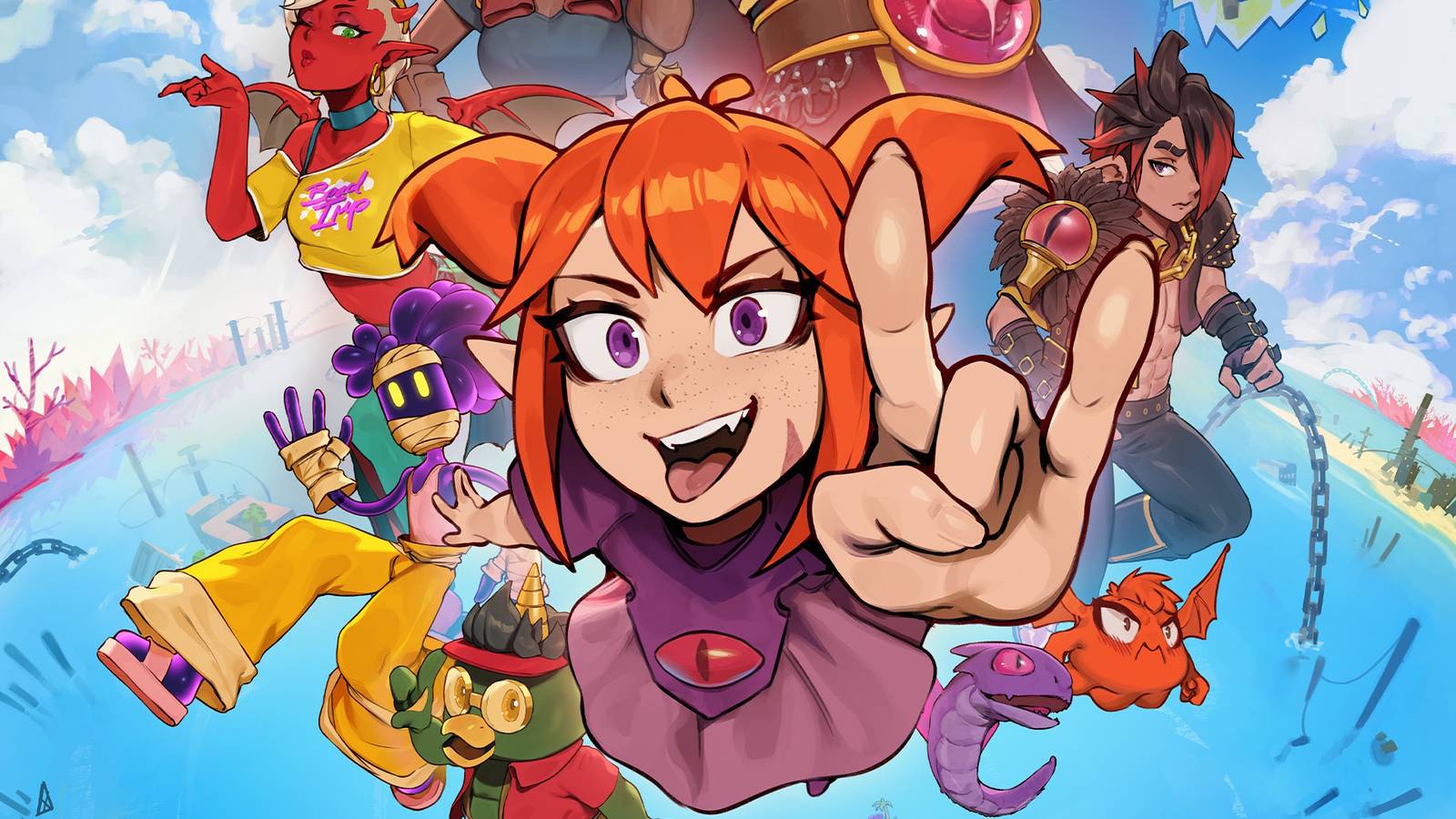
Tip screens are useful in their own way, but I didn’t expect one of the hints in Demon Tides to contain the game’s entire soul in it. “It’s all about combos!” the hint reads. “Will you boost -> bat spin or spin -> superjump -> cannonball?” This sounds like gibberish, except I found myself thinking variations of those things more often than not. Demon Tides really is all about combos — slick movement, flying by the seat of your pants, and pulling off a wildly improbable set of moves you designed yourself. That, and tearing down some of the genre’s most annoying, enduring obstacles.
Developed by Fabraz (the maker of, uh, Bubsy 4D) and released Feb. 19 for Windows PC (a Switch version will launch sometime later in 2026), Demon Tides is a 3D platformer adventure game about a bunch of demon pirates. They’re nice demons. Mostly. Beebz, their leader, accidentally became queen of her country after kicking the snot out of a not-nice-demon (this happened in Fabraz’s previous game, Demon Turf, but you don’t have to play it to know what’s happening here), and now the king of another domain requests her presence. Beebz and her gang are charming little punks who leave their tags wherever they can and talk and act tough, but never have a mean word to say about each other, even when one of them speaks almost exclusively in text message acronyms.
But the real draw here is movement, not story. Demon Tides kicks tradition out the window and gives you all your skills at the start. You immediately have the following:
- Double jump
- Whirling glide
- Boost (which doubles as a wall-run when walls are involved)
- A snake form that lets you cover large distances quickly
You can use these abilities in any order you want to get different results. If, for example, you jump, then glide, and then double jump, you’ll get extra distance, but jump, jump, glide is the way to go for height. And if you position yourself well, you can bounce off a wall or crystal to reset your combos and be able to string together even more double jumps. Making all these options available immediately frees Demon Tides from the usual kind of 3D platformer progression where you know you can do more but just haven’t unlocked the skills yet. Areas aren’t themed around new power-ups, and early stages don’t feel like extended tutorials. You can do anything from the start, and Demon Tides‘ courses reflect that.
The setup seems inspired by 2021’s Bowser’s Fury, the open-ish world add-on to Super Mario 3D World. The ocean Beebz and her crew find themselves exploring is composed of multiple islands, which are essentially platforming courses of varying sizes and difficulties. Loosely shared aesthetics tie them together — there’s an industrial “zone,” a toxic one, a dark-themed one, and so on — but for the most part, each challenge is distinct from its peers. It does give Demon Tides a slightly stitched together feel at times, but the freedom of exploration (you have few boundaries, even at the start of the game) and spontaneous nature of discovery make up for it. When you arrive at a new spot, you never know how complex it’ll be, if there’s a little quest attached to it, or if it’s just a breezy little stop along the way. Few platformers manage to tie their geography and action to their story as adeptly as Demon Tides captures the essence of a seafaring adventure.


And it helps that Demon Tides removes the worst kind of friction so common in games like it: punishing checkpoints. You can plant a flag literally almost anywhere, even in the middle of a challenge, and have that act as a checkpoint you can instantly return to. Without the unnecessary fluffing making things tedious, rather than challenging, Fabraz can ratchet up the complexity of Demon Tides‘ platforming courses, and you actually feel encouraged to try them.
Take one of the first optional challenges, for example. You climb up three radio towers in a process that takes a couple of minutes, barring accidents. Then you can start a timed challenge that has you race back down using a different route, navigating through rings before they disappear. And if you fail, you have to climb back up to start the challenge again. I am not a patient person, so having a checkpoint at the start of the challenge is the only reason I tried again (and the only reason I took on later optional challenges, too). It’s an approach I hope other developers learn from. I enjoy Super Mario Odyssey‘s (and Bowser’s Fury‘s) fun-sized challenges for what they are. But small, contained courses can’t match the thrill of wall running hundreds of feet into the air, gliding along to the next platform and only barely making it thanks to some quick thinking, before starting the next leg of the challenge safe in the knowledge that you don’t have to pull that maneuver off again, ever, if you don’t want to.
Demon Tides‘ rewards for finishing its more demanding components are predictable — gold gears, mostly — but what you can do with them is anything but. Back at Beebz’s ship, you can swap gears for talismans that alter how your basic skills work. The bat glide, for example, will hover in a slightly vertical direction using one talisman, instead of just horizontal. “Big deal,” you might say. And yes, it is! Having that extra bit of height makes double jumps more effective, gives you better reach for your dive attack, like, for example, getting better reach out of your double jump. That’s just one example. Each skill has multiple possible modifications. None of them are essential for clearing Demon Tides, but experimenting with combos sparks a unique kind of joy. Maybe you could cross a chasm more efficiently using different methods, but a cobbled-together string of unusual combos works just fine, thank you, and was more fun anyway.