




![1st Feb: Death at a Funeral (2010), 1hr 32m [R] – Streaming Again (5.85/10)](https://occ-0-1381-999.1.nflxso.net/dnm/api/v6/Qs00mKCpRvrkl3HZAN5KwEL1kpE/AAAABdi3m71w2-fNlpO6PxtZNKERJqCRJKCarHqvGv10ubBSTH__ucdcD8RI7OgfCpr1DoT1t3zDZonqx76RDdYFVffWKlWt_N6V3Fwy.jpg?r=176 "1st Feb: Death at a Funeral (2010), 1hr 32m [R] – Streaming Again (5.85/10)")



![1st Feb: Daddy Day Care (2003), 1hr 32m [PG] – Streaming Again (5.8/10)](https://occ-0-1381-999.1.nflxso.net/dnm/api/v6/Qs00mKCpRvrkl3HZAN5KwEL1kpE/AAAABdKEypuElfgYnSBbsS3xR-OO3lCytd7k4r0mBVXzedQchQPmz3isHVE8UxSiuFiA5ttRG0smCpT45p-cEKSptCWOgEiCTco3ECwl.jpg?r=5eb "1st Feb: Daddy Day Care (2003), 1hr 32m [PG] – Streaming Again (5.8/10)")



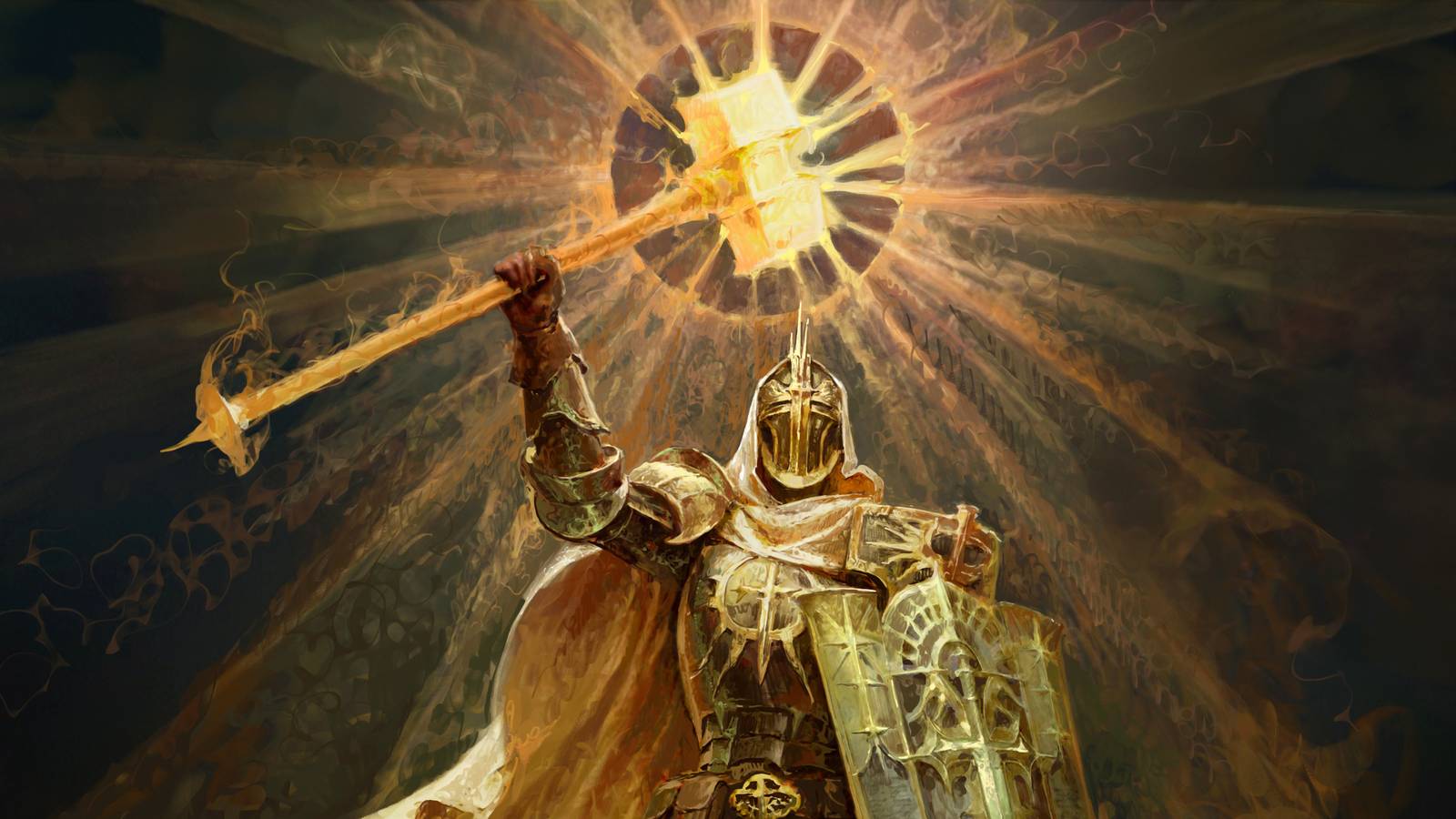
Before Diablo 4 was even released, the calls from the Diablo community were loud: give us the Paladin! The legendary holy warrior class from Diablo 2 has been easily the most requested addition to Blizzard’s 2023 action role-playing-game. But players had to wait two and a half years to get their wish. The Paladin is available now, released early as one of two classes included in April’s Lord of Hatred expansion, and it’s going down a storm.
Why didn’t Blizzard pull the trigger sooner? Zaven Haroutunian, game director of Lord of Hatred, explained in a recent group video interview that the Paladin didn’t fit the theme of first expansion Vessel of Hatred, which was about exploring the spirit world and the jungles of Nahantu. Also, Diablo 4 had launched with several familiar classes, like the Barbarian, Rogue, and Necromancer, and the feeling at Blizzard was that players wanted something new. Hence the Spiritborn.
But now it was time for that pendulum to swing back. “You should never underestimate nostalgia,” said Dominick Sileo, lead class designer for the Paladin. “You always want to try something new, and you should try something new, because otherwise you’re going to disappoint your audience, period. But things are popular and they resonate over time for a reason.”
When it comes to the Paladin, those reasons are twofold. The class goes deep into the most basic fantasy archetype: the righteous warrior with sword and shield. But it also gives that archetype a twist that works particularly well with Diablo’s fire-and-brimstone world of angels and demons.
Haroutunian says the class’ roots go back to the original Diablo’s Warrior class. “The Warrior is our sword-and-board character. It’s been the iconic thing to pick up ever since Diablo was Diablo. I bet you that most people, when they first loaded it up, the first thing they picked was the Warrior. The most at-home-looking thing in a medieval gothic world is the guy holding the sword and shield.”
There’s a virtue in the obviousness of this archetype, Sileo says. “One of our design pillars [at Blizzard] is to tap into the common folklore, or tap into something that’s relatable. A sword and shield, to me, is extremely relatable across many genres of different games and media — if you think about Link from The Legend of Zelda, or Captain America, it’s that classic flavor that you know what you’re getting, versus things that might be more abstract.” Sileo also shouts out the literary character of the knight as an anchor for the archetype: King Arthur, or Aragorn from the Lord of the Rings.
Sileo compares the position the Warrior, the Paladin, and Diablo 3’s similar Crusader hold in the Diablo roster to a weapon like the great sword in Monster Hunter games; a relatable fantasy that helps ground more arcane flavors. “Like, literally what is an insect glaive? It’s awesome, that weapon is super rad — but a sword and board is something that I don’t have to stretch mentally to understand what it’s doing.”


The genius of Diablo 2’s Paladin was to layer the series’ “narrative themes, tonal themes onto this basic archetype,” Haroutunian says. The Paladin endowed Diablo’s Warrior with holy powers and deep, religious fervor. “It’s such a natural mechanical slot for the underpinnings of the series, the core fantasy underneath, the angels and demons and stuff. It’s a dark fantasy and the Paladin is juxtaposed against that.”
Sometimes it really is as simple as the appeal of pure good meeting pure evil with force. “There’s this fantasy of, I want to be Captain America, I want to be Superman, I want to be this straightforward thing that just rams into whatever is opposing me in a rather simple way,” Sileo says.
What was not simple was bringing Diablo 2’s Paladin design forward into Diablo 4. It would have been easier to port the Crusader across, but there are lore reasons that the order of Paladins is resurgent in Diablo 4’s fiction — and, although the Crusader is great, it’s not the class players have been asking for. The two classes are very close, but they are distinct, and, Haroutunian says, players were quite clear about the distinction between them.

Some Crusader skills did make it into Diablo 4’s Paladin, like Blessed Shield, which tosses a shield at enemies. Some did not, like Steed Charge, which sends the warrior plowing into a mob of enemies on a holy horse. (Sileo: “Diablo 4 has mounts, everybody has a horse.) The team was anxious to bring back some Diablo 2 Paladin skills that were absent on the Crusader, like Zeal, which unleashes a flurry of blows, but they all needed to be modernized.
The biggest challenge was Auras. “The number one most identifiable thing about the Paladin — I think a lot of people would say Blessed Hammer — but for me personally, it’s the Auras,” Sileo says. Diablo 2’s skill trees run so deep that its Paladin has around 20 of these powerful, durational buffs to choose from and layer on top of each other, but Diablo 4’s class builds don’t work like that. “We have 24 skills on our skill tree, so we couldn’t just make nothing but Auras on the Paladin and just call it a day,” Sileo says. In the end, the team had to select the Auras that felt most important and key to the playstyle, and offer “three choices instead of 20,” so as not to overwhelm the player. Additional modifications are possible, though, to add the effects of some of the rejected Auras, “like a delicious Aura sandwich.”
Diablo 4’s Paladin is a no-brainer; it plays so naturally that it’s easy to underestimate the work that went into bringing this universal archetype back to life. You wonder whether Blizzard will balance it out with something wild for Lord of Hatred’s second new class, or pick another one of those old, familiar flavors. We’ll likely find out during Blizzard’s Diablo 30th Anniversary Spotlight on Feb. 11.

