



![7th Jul: Etharkkum Thunindhavan (Telugu) (2022), 2hr 28m [TV-14] – Streaming Again (6.2/10)](https://occ-0-1081-999.1.nflxso.net/dnm/api/v6/0Qzqdxw-HG1AiOKLWWPsFOUDA2E/AAAABVQmbKSeskVZRVwais_ne07cKbzYp9UEE-0NgAYmH_LsFGSsDhFxo9CmzoUUd_rBFgdbCwpahcatDcsOQFL7LCDzIUMSVUS3v9Jj.jpg?r=c8e "7th Jul: Etharkkum Thunindhavan (Telugu) (2022), 2hr 28m [TV-14] – Streaming Again (6.2/10)")






In Brief: Governments across Europe are increasing control over tourism demand through a combination of new taxes and tighter regulation of short-term rentals, signaling a shift in how destinations manage visitor flows and accommodation supply.
-
Europe Tightens Control Over Tourism As Taxes and Short-Term Rental Rules Expand – Image Credit HNR News
Published April 15, 2026 | By HNR News Staff Reporter
Policy Shifts Toward Demand Management
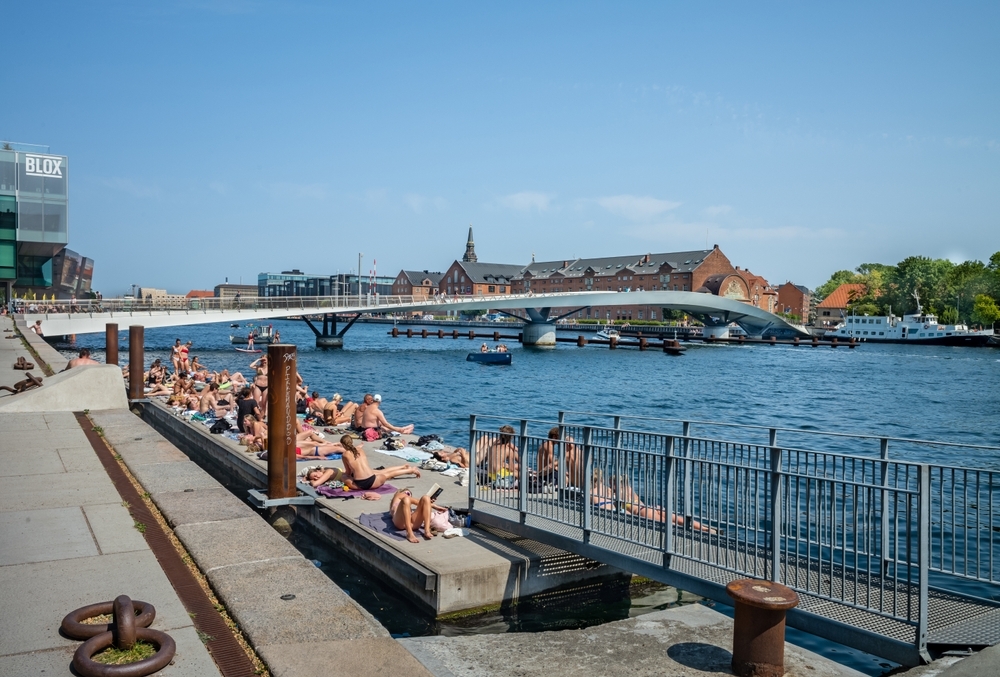
European destinations are increasingly adopting policies designed to regulate tourism demand, reflecting concerns about housing availability, infrastructure strain, and overtourism.
Measures, including overnight visitor taxes and new regulatory frameworks for short-term rentals, are being implemented across multiple markets, reshaping the operating environment for both hotels and alternative accommodations.
England Moves Toward Registration System
In England, the government is advancing plans for a national registration scheme for short-term rental properties, introducing a formal mechanism to monitor and regulate the sector.
The system is intended to improve transparency and enable local authorities to better manage the impact of short-term lets on housing supply and community dynamics.
This follows a broader European trend, in which cities such as Barcelona, Amsterdam, and Paris have introduced stricter controls on short-term rentals, including licensing requirements, caps on rental days, and enforcement measures targeting unregistered listings.
In some European cities, short-term rental listings have declined by double-digit percentages following the introduction of stricter enforcement measures
Taxes Add Pricing Pressure
At the same time, a growing number of destinations are introducing or expanding tourism-related taxes, adding to the overall cost of travel.
In the United Kingdom, proposals for a new holiday tax have triggered debate across the industry. An Oxford Economics study estimates that such a measure could result in a £2.2 billion reduction in GDP, reflecting potential declines in visitor spending and broader economic impact.
Separate analysis suggests that London’s planned tourist tax could create a pricing test for hotels and travel demand, as the industry weighs potential revenue gains against the risk of reduced competitiveness. (Full coverage)
These charges, typically applied per night or per stay, are increasingly being used not only to generate revenue but also to influence visitor behavior and manage volume.
Selected European Cities: Tourist Taxes and Short-Term Rental Regulation
| City | Short-Term Rental Rules | Tourist Tax (Approx.) | Key Policy Direction |
|---|---|---|---|
| Barcelona | Strict licensing, new permits largely frozen | €4–€5 per night | Reducing STR supply to address housing pressure |
| Amsterdam | 30-night annual cap for STR rentals | ~7% of room rate | Aggressive demand control and volume reduction |
| Paris | 120-night cap, registration required | Up to ~€5+ per night (higher for luxury) | Balancing tourism with residential housing needs |
| London | 90-night cap (existing), registration scheme proposed | Proposed / under discussion | Moving toward stricter oversight and taxation |
| Rome | Registration and regional controls expanding | €3–€7 per night | Increasing taxation and monitoring |
| Berlin | Permits required for STR rentals | ~5% of room rate | Strict enforcement of housing protection laws |
| Lisbon | New licenses restricted in central zones | ~€2 per night | Limiting STR growth in high-density areas |
Supply and Demand Rebalancing
The combination of stricter rental regulations and higher travel costs is contributing to a rebalancing of supply and demand across accommodation types.
Reduced availability of short-term rental properties in regulated markets is beginning to shift demand back toward hotels, particularly in urban areas where enforcement is most active.
At the same time, higher travel costs may dampen demand growth among price-sensitive segments, including domestic and short-haul travelers.
Implications for Hotels and Operators
For hotel operators, these policy changes present both opportunities and challenges.
Greater regulation of alternative accommodations may reduce competition in some markets, supporting occupancy and pricing.
However, the cumulative effect of higher taxes and regulatory complexity may alter travel patterns, potentially shortening stays or redirecting demand to less regulated destinations.
Industry groups have warned that the combined impact of taxation and regulation could affect competitiveness, particularly in markets where tourism plays a significant role in the local economy.
Outlook
The direction of travel in European tourism policy suggests a shift away from maximizing visitor growth toward actively managing its impact.
As governments introduce additional controls on both pricing and supply, the balance between demand, affordability, and sustainability is likely to become a defining issue for the region’s hospitality sector.


