




![13th Feb: In the Mud (2026), 2 Seasons [TV-MA] – New Episodes (6/10)](https://occ-0-953-999.1.nflxso.net/dnm/api/v6/Qs00mKCpRvrkl3HZAN5KwEL1kpE/AAAABWxD0wOIf4qK51v8kRC4WJN49rtqfwpS_MHDtNEwreY39WIhuxKvbnFaBLnliIHX4_UKa_cPkX7pwHTwsWecBqef3OCb6pa3avaXkiV9vu8j4LM51J2aUPgvo1WVcNU-pqTXmkicZWdyuOPWlJFD7C2eOD4qIaGbb6aAZmdV.jpg?r=be6 "13th Feb: In the Mud (2026), 2 Seasons [TV-MA] – New Episodes (6/10)")


![13th Feb: The Singers (2026), 18m [TV-MA] (6/10)](https://occ-0-1081-999.1.nflxso.net/dnm/api/v6/Qs00mKCpRvrkl3HZAN5KwEL1kpE/AAAABSLP6OyRxSc4mrYjXT7DUPj0qSIbiyxpTGJ_nYlHWB7p03sXMeHZGk5MEHkz92YPt5-cipjO_csm7s85BP0loVRYgQU0-U4W1_Km7FX5Oxg411BG0XOC_5rMed6rPQKV2q_WtkfaFzl8_ENg7jbFKvm-Qbp_qe60vouni2SlmhqlnWkUKJe-H_c-WxFM0WINY4S_ol8.jpg?r=73d "13th Feb: The Singers (2026), 18m [TV-MA] (6/10)")


Sometimes, it feels like every game imaginable is describing itself as a Soulslike, even deck-builders now. Soulslikes are defined by their intense difficulty, opaque storytelling, and labyrinthine level design. Their combat also often relies heavily on parrying, like in Lies of P and Wuchang: Fallen Feathers. After playing plenty of recent Soulslikes and other parry-focused action games, like the Metroidvania Nine Sols, I’m convinced: every action game needs a good parry mechanic.
The lack of parrying is stark in a game like the newly released Romeo Is a Dead Man. Its marketing leaned heavily on the ultra-violent gameplay, and for good reason — Romeo’s zombie-like foes spray blood like fountains as you hack your way through them. But when it’s time for those zombies to take a swing at Romeo? Your only defense is to dodge and run away.
Romeo doesn’t have a parry ability, meaning there’s no chance to deflect an opponent’s attack and open them up for a sick finisher, something that would fit in perfectly with the over-the-top combat in the game. Instead, I can only have Romeo dodge, duck, dip, and dive out of the way, sliding around the battlefield like it’s a dancehall.
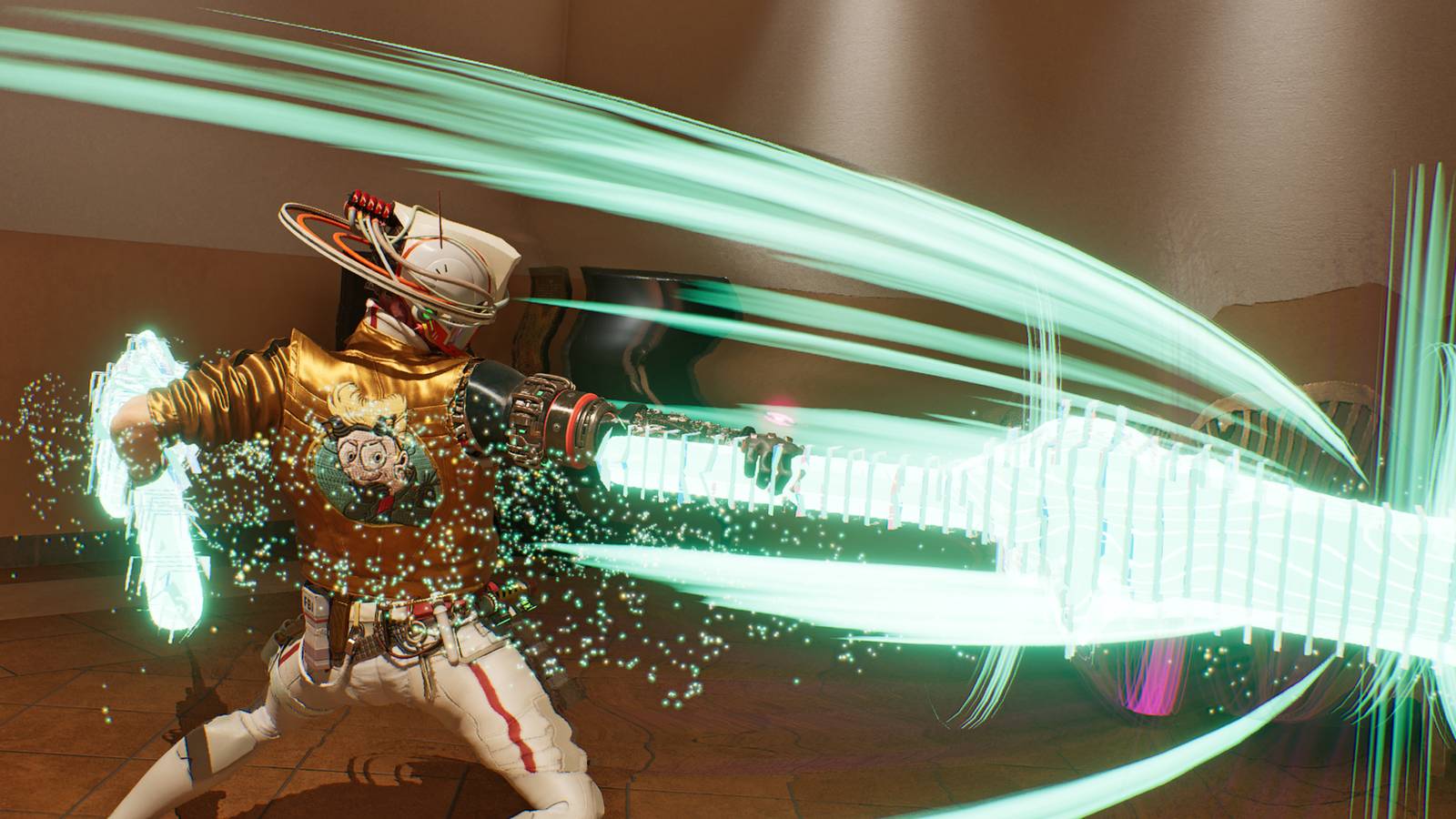
The lack of parrying in Romeo stands in sharp contrast to the action game I had played immediately before it, 2024’s Stellar Blade. January is the perfect time for working through backlogs, and I spent the month playing through the post-apocalyptic adventure game. Stellar Blade’s robo protagonist Eve gains the upper hand through parrying her opponent’s blows, leaving them vulnerable to devastating attacks. Though she only has one melee weapon at her disposal, combat never feels repetitive or restrictive, and she can always defend herself with a good parry.
Of course, parrying isn’t just restricted to third-person action games. Doomguy’s Captain America shield in Doom: The Dark Ages helped set it apart from other first-person shooters. Often in an FPS, I feel like my only defense is crouching real low, hoping the environment can provide makeshift cover. That’s not the case in The Dark Ages; I instead run head-on toward enemy projectiles and gleefully whack them right back into a demon’s face.
But where I really want to see more parry mechanics is in turn-based games. The combat in 2025’s awards darling Clair Obscur: Expedition 33 was notable not just because of its flashy attacks, but because it kept players active on defense. Expedition 33’s enemies can hit hard, but all you have to do is listen to Maelle and PARRY IT! to keep your expeditioners standing. Parries earn you action points to help unleash your own devastating attacks, and successfully parrying a full attack combo will have your expeditioner dole out a powerful counterattack. Defense merges into offense, providing depth to a side of combat where most turn-based games leave players at their enemies’ mercy.


January’s adventure into the backlog also saw me start playing Metaphor: ReFantazio. I’m about 15 hours in and enjoying it, but its turn-based combat leaves me with a bit of whiplash after playing so much Expedition 33 last year. There’s no parrying in Metaphor, meaning when I’m on the defensive, I can only sit and watch my heroes absorb hits. Sure, I can position them on the battlefield to raise their defense, but there’s no control given to the player to parry or dodge out of the way. I have to hope I get lucky and my opponent misses if I want to take zero damage.
While not every game that includes parrying makes it a heavy focus of the game — there are plenty of Soulslikes where I prefer dodging or running TF away — more tools to work with can only be beneficial. Let’s go over the top and get parrying in everything, from shooters to survival horror to turn-based games and everything in between. Hey, the 30th anniversary of Pokémon is coming up and, with it, potential new game announcements. Game Freak, let me slap some attacks away with Pikachu’s tail, or I riot.
