






![19th Sep: Never Let Go (2024), 1hr 41m [R] (5.7/10)](https://occ-0-2475-1007.1.nflxso.net/dnm/api/v6/0Qzqdxw-HG1AiOKLWWPsFOUDA2E/AAAABebQMq20UVDHruFzdljxmC7MOpG-ocQeot1mj85VyiEAofhxZVoFXd2B4i4_lJWajxR-m62NlrTuaNEvc84aWF0tR-9T9oVgPG-KxiUGvg38IwekSVqeKpJIqQdwP9-Mp4Sf1wq7N9JK9NucyE6ArJPFiBcEd9F3Tr0JnbxV-ApjEw.jpg?r=0aa "19th Sep: Never Let Go (2024), 1hr 41m [R] (5.7/10)")

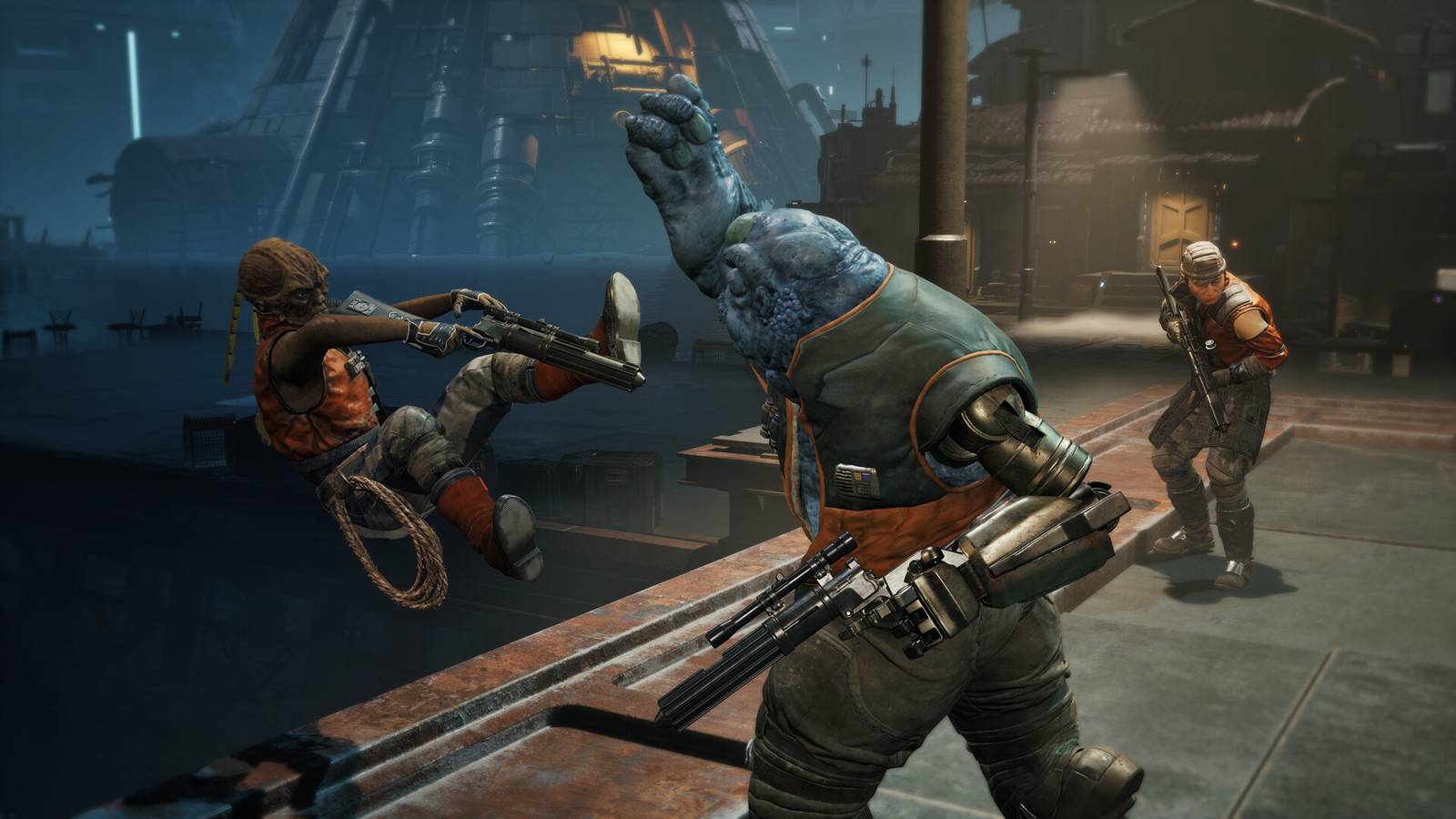


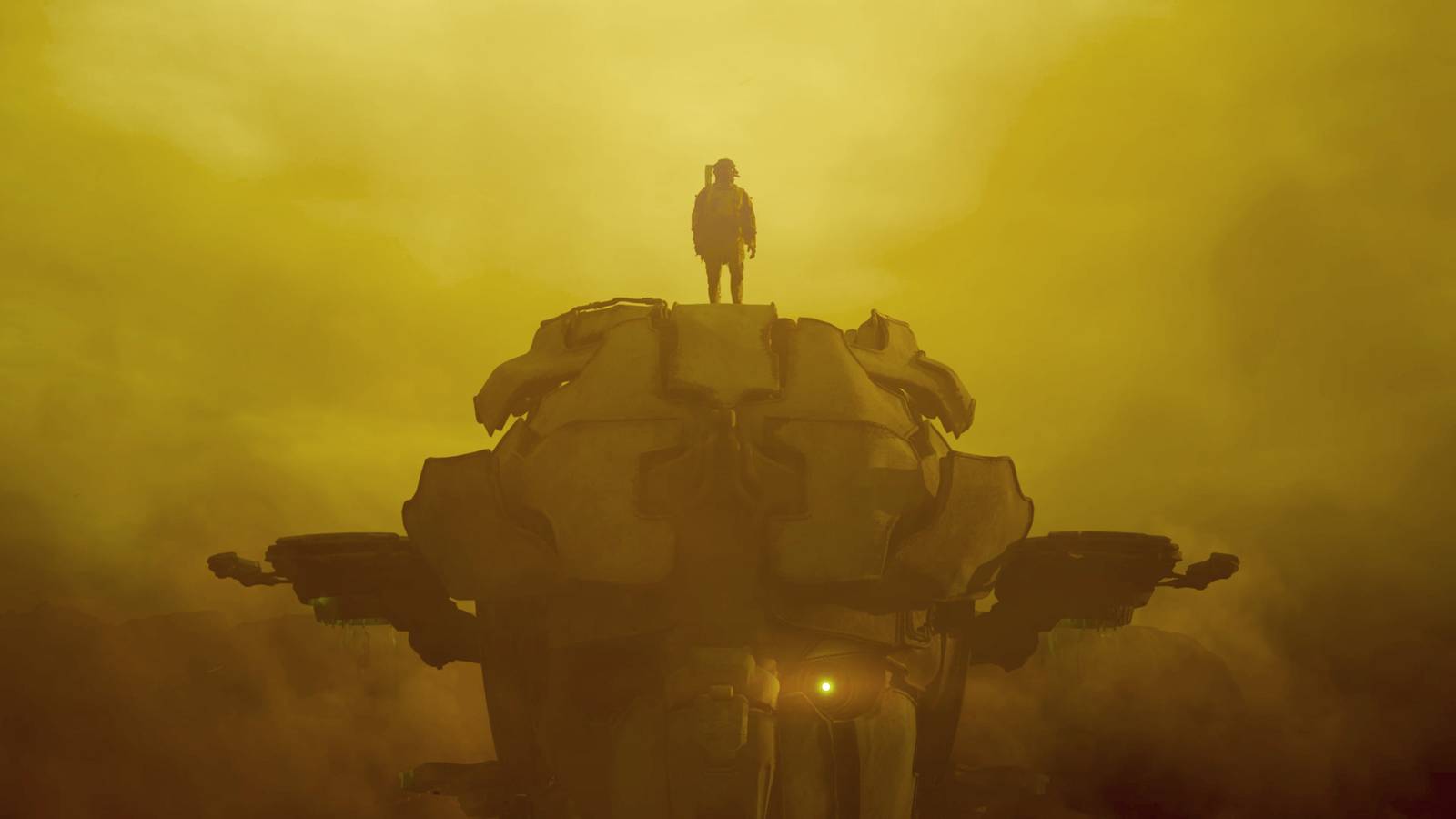
Shadow of the Colossus and Ico creator Fumito Ueda’s new game Gen Atlas (née Project Robot) started with a simple idea: big robots. The creator and head of independent studio Gen Design was seeking a new universal theme, something that players could relate to, Ueda told Polygon in a recent interview.
“There are a lot of memories that I carry with me from when I was younger and growing up in Japan,” Ueda said of his early exposure to giant robots across various media. “You turn on the TV, you pick up a manga, or see a poster or whatever, it’s almost a daily occurrence.” He’s hoping that other people will feel the same and fondly recall the power fantasy and awe that comes from wanting to pilot a giant machine.
But Ueda said he couldn’t name a particular piece of giant robot fiction, like Getter Robo or Neon Genesis Evangelion, that resonated with him. It was more the routine exposure to giant robots as a science-fiction trope that helped inspire Gen Atlas.
Gen Atlas is “a mix of what I grew up with,” Ueda said. “I’m just hoping that a lot of people can also relate to or resonate with [that].”
Gen Atlas might be gaming’s The Iron Giant
In Gen Atlas, players take on the role of a lone pilot who wakes up on an abandoned planet populated with colossal structures, deserted facilities, and an ever-changing sea. The remnants of some grand design litter the planet’s surface, the game’s official description reads, as do massive, broken robots that the player will take control of.
In Ueda’s previous games, the playable character typically forms a bond with another being: a young girl, a trustworthy steed, or a friendly chimeric creature. In Gen Atlas, it appears that players will connect with a detached robot head.
“Part of your adventure is going to be connecting that head to the robot body,” Ueda explained, “and then that’s going to open up opportunities such as solving a puzzle or [engaging in] combat.” And while Gen Atlas’ hero can also wield a powerful gun — a rarity in Ueda’s games — “I don’t want people to misunderstand: This is not a shooting game,” he said.
The robot head serves many roles, Ueda explained. “At times it could be your navigator, at times it will be your means of transportation. It could be seen as a more functional tool, but it’s also meant to be your partner.”
“I think a lot of people have their own interpretation of what that emotional connection was with my previous games,” Ueda said, “but I’m also focused on you as a player outside the screen, how you’re going to view the connection between the two. There’s something that I hope that comes through that you sense as a player with the two characters working in conjunction.”
In Ico and The Last Guardian, Ueda gave players control of an inexperienced hero. Shadow of the Colossus’ Wander was more of a trained warrior, who is similar to the lead of Gen Atlas. The mysterious, still-unnamed protagonist will be more of a traditional hero than the stars of some of Ueda’s previous adventure games.
Gen Atlas lives in the shadow of Shadow of the Colossus


During my interview with Ueda, he and I frequently compared his new game to his older games. Gen Atlas in many ways looks like Shadow of Colossus: a lone warrior visits an empty land and climbs giant living structures in pursuit of his mission. Ueda’s games are stark, not highly technical, and often very quiet.
Ueda said that in revisiting his previous titles, it has informed what he does and does not want to do with Gen Atlas: offer “tedious” gameplay.
“When I look at my previous work in Shadow of the Colossus, for example, climbing up every single step on a ladder [or a colossus], I may feel a little bit of frustration. It becomes very repetitive and tiresome, and I may not think that it’s the most effective way to have a player experience that part of the gameplay.” To wit, in Gen Atlas’ reveal trailer at Summer Game Fest, the hero is shown not laboriously climbing one of the game’s giant robots, but using a launch pad to boost himself onto it.
“I’m very mindful of creating or designing opportunities that will allow the player to feel a better type of gameplay experience and not having to think, ‘Oh my gosh, this is going to be a tedious task that I have to do.’ So that is in my mind.”
Ueda said there will be more than one way to accomplish a particular mission or to reach a certain area in the game. While there may be ways to brute force certain things, he said he wants to offer “much more exhilarating and entertaining” ways to progress in the game.
What does Gen Atlas mean?

Gen Atlas takes the “Gen” portion of its name from Gen Design Ueda’s company. He explained that the word “gen” comes from various inspiring words: genesis, gene, generate, and generator. As for “atlas,” it too has multiple meanings, referring to the game’s large unexplored map and to the first cervical vertebra that supports the head in the human skeleton. The giant robot’s head that serves as your companion has its “vertebrae” exposed, as seen in the game’s trailer.
“So there’s a meaning behind ‘gen,’ [and] there’s also more than one meaning behind ‘Atlas,’” Ueda said. “As a combined total, it’s like we’re building the universe in its totality. That’s what I hope that [people] read from these two words.”
Ueda’s storytelling approach isn’t changing (much)
“I’m not going to take a huge departure from what you’ve known of how I work in storytelling in my games,” Ueda said, but the story of Gen Atlas may be more explicitly told than the abstraction of his previous games. Players will get more on-screen storytelling in Gen Atlas than what his fans may normally be used to.
Given the ambient and ambiguous nature of Ueda’s previous game stories, I asked him how much lore and world-building he and his teammates actually write down. Do his games have lore bibles? Canon? Screenplays? No, he said, likening his game story outlines more to haikus than manuscripts.
“We don’t take [a traditional] approach,” he said. “There really is no written from-beginning-to-end script. That is not how we work. If I were to try to describe how we work, it’s that it’s almost like writing a haiku or a short series of poems. In that sense, we sort of latch onto words that give multiple meanings or expressions… It might even be a visual that we’re looking at that may be interpreted in multiple different ways. It may be the environment that we’ve kind of sketched out that activates everybody. It could be the character design that might be interpreted differently.”
He added, “In haiku, there’s kigo — it means, like, a certain season, and seasons can be interpreted in many different ways. It can be talking about how you feel during the season, what you eat during the season, what it looks like outside during the season. So we’re using these very specific words to kind of help us identify ‘What is the feeling? What is the setting and the tone within that?’ It’s a sort of combined effort of different keywords that help us create the story.”
Gen Atlas does not have a release date, but it’s coming to PlayStation 5, Windows PC, and Xbox Series X.


gen Atlas revealed as next game from Ico and Shadow of the Colossus creators
Fumito Ueda’s genDesign studio returns at Summer Game Fest
