







-
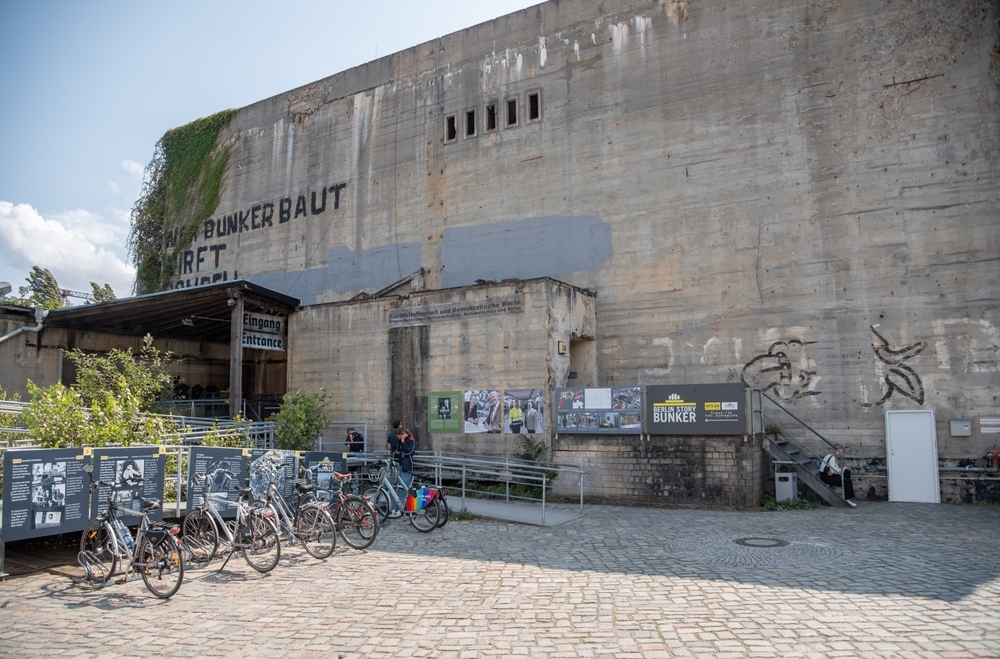
hub by Premier Inn London Farringdon (Old Bailey) – Image Credit Whitbread
Hotel executives at a recent industry event discussed the advantages and challenges of asset-heavy ownership models compared to asset-light strategies, focusing on control, flexibility, investment returns, and risk management in a volatile economic environment.
The ongoing discussion within the hotel industry about the merits of asset-heavy versus asset-light ownership models was a central theme at the recent “Asset intense” Hotel Industry Development Event. While some data suggests that asset-light models can improve overall performance for hotel companies, several panelists argued in favor of maintaining direct ownership of hotel assets. The debate focused on the balance between increased risk and the potential for greater control, flexibility, and investment returns.
Arguments for Asset-Heavy Ownership
Mark Anderson, Managing Director for Property and International at Whitbread, emphasized the benefits of his company’s significant freehold ownership. Whitbread owns approximately 540 out of its nearly 900 hotels, primarily in the United Kingdom. Anderson stated that this ownership structure allows the company to secure debt on favorable terms, maintain control over development and investment, and efficiently manage capital and cash flow.
Ronen Nissenbaum, CEO for Western Europe at Fattal Hotels and Leonardo Hotels, described his company’s approach as “unapologetically asset-heavy.” He argued that direct ownership enables rapid market entry and provides greater control over the company’s value chain, especially in times of geopolitical and economic uncertainty. Nissenbaum also noted that public financial reports may not fully capture the value added by owning profitable assets.
Martijn van der Graaf, Chief Operations Officer for Western Europe at Essendi, echoed these sentiments. With 96% of Essendi’s hotel portfolio under direct ownership, van der Graaf believes this control allows the company to make decisions that are best for each asset, particularly during economic downturns. He also highlighted the advantages in implementing environmental, social, and governance (ESG) strategies and focusing on maximizing the value of existing properties.
Investment Strategies and Partnerships
Lily Wecker, CEO of Aethos, discussed the role of company culture and partnerships in asset management. Aethos manages assets on behalf of Limestone Capital, focusing on growing value through premium equity, while Limestone specializes in fundraising. Wecker argued that this partnership improves the risk-reward profile and allows each party to concentrate on its strengths.
Graeme McCormack, Head of Fund Management for Hotels and Leisure at Principal Asset Management, pointed out that hotels are currently strong performers within the real estate sector. However, he noted that some investment vehicles in Europe face restrictions that prevent them from direct ownership, limiting their operational flexibility.
Concerns About Asset-Light Models
Some panelists expressed concerns that asset-light models, which rely on management contracts or franchise agreements rather than ownership, can lead to commoditization. Wecker stated that when hotel brands offer interchangeable products, it can undermine differentiation and profitability. She prefers to charge higher fees for innovative hotel products rather than compete in segments vulnerable to price compression.
The panelists agreed that collaboration and the exchange of ideas between different models can be beneficial. Anderson mentioned that while Whitbread primarily owns its properties, it is open to management agreements in specific markets, such as the Middle East, where the company recently signed a memorandum of understanding to develop several Premier Inn hotels.
Flexibility and Future Outlook
Flexibility was a recurring theme, with executives noting that the choice between asset-heavy and asset-light models may depend on market conditions and company strategy. Nissenbaum suggested that Fattal Hotels remains open to various approaches, including leasing, management, ownership, or even franchising in the future.
Anderson shared an example of Whitbread’s agility, describing how the company secured a major asset in London by leveraging its strong investment case, even though it was not the highest bidder. Wecker emphasized the importance of aligning capital with the right assets, even if it means slower growth.
Discover more at CoStar.