




![2nd Mar: fumochitai (2009), 19 Episodes [TV-14] (6/10)](https://occ-0-1081-999.1.nflxso.net/dnm/api/v6/Qs00mKCpRvrkl3HZAN5KwEL1kpE/AAAABQ4mMioO2bDAcWHqk9azZbz5PurJpTUF_zWfq2KXkW8L_q1mKTrWuP0Q27iMI4trPlanCB4cc_OMnkbaJcCHQfMn3aP6_kyr7CSzOfl1_KDqn6h869FwWtK0LfPrEUOMCDjVPQ0vp6BcGEc9MatTIkeZeUZhlaPTomycZLI3t3KKTw.jpg?r=9ef "2nd Mar: fumochitai (2009), 19 Episodes [TV-14] (6/10)")





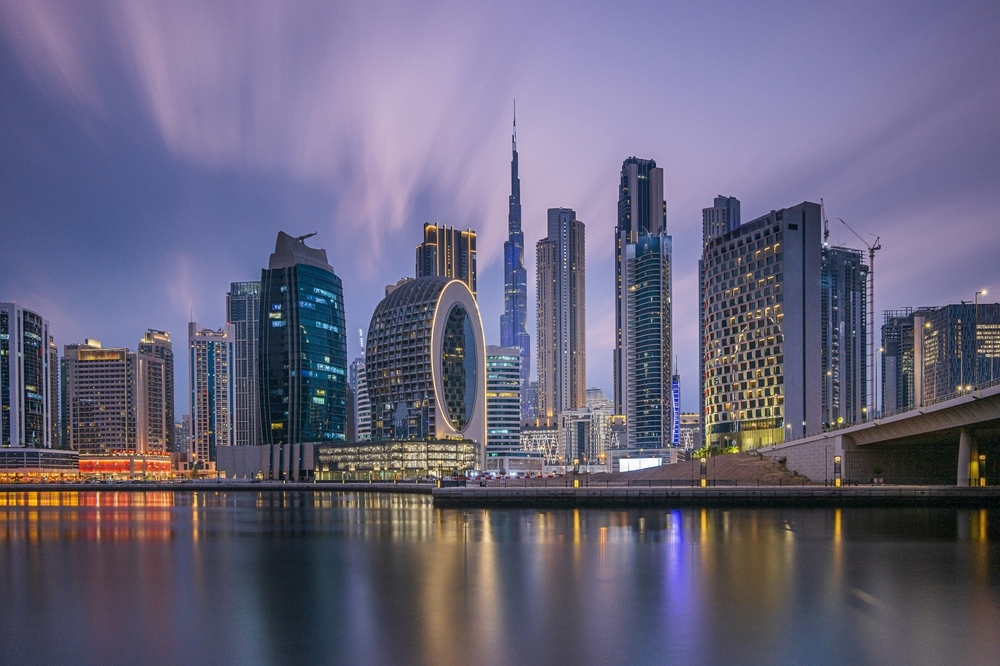
The Middle East is a vast region, full of a huge variety of travel destinations from the ancient city of Petra in Jordan to the glitzy hotels of Dubai.
However, several destinations across the region have been at a standstill over the weekend after Iran’s former supreme leader Ayatollah Ali Khamenei was assassinated in a joint air strike from Israel and the US on February 28. The country has since launched retaliatory attacks on Israel, the UAE and other destinations across the Middle East. Damage to everything from airports to luxury hotels has been reported over the weekend, and vast swathes of airspace have been closed until further notice.
Here is everything you need to know if you have a trip booked to Dubai, Abu Dhabi or the wider Middle East region right now, including the latest government advice.
Is it safe to travel to the Middle East right now?
It’s not considered safe to travel to most countries in the Middle East. Over the weekend, following a coordinated strike by the US and Israel, Iran retaliated, and as a result of the missile exchange between the two countries, there has been damage to airports, luxury hotels and residences across the UAE, according to The Times.
In the Lebanese capital of Beirut, the BBC reports that 31 people have been killed and 149 injured by an Israeli attack, and US planes have crashed in Kuwait on Monday morning.
Have flights been cancelled?
Yes – at the time of writing, all flights to and from Dubai, Abu Dhabi, Doha, Bahrain and Kuwait have been cancelled, with all airports currently closed, and airspace is shut across the region. If you have a flight to, from or set to travel through the region, check directly with your travel provider about the best course of action.
What is the UK Foreign Office saying?
The FCDO has warned against all but essential travel to the UAE, Kuwait, Qatar, and Bahrain, and all travel to Israel and Palestine. It also issued a warning to all Brits in those countries, plus Saudi Arabia and the city of Duqm in Oman to stay indoors and register their presence. Below is more specific guidance for each destination, but you can check all the latest advice on the FCDO’s website.
Lebanon
The FCDO advises against all travel to parts of Lebanon, including the Israeli and Syrian borders, and that travellers should be prepared for short-notice changes to airspace as the situation has the potential to escalate quickly.
Oman
People in and around the Omani town of Duqm have been encouraged to take shelter, and those in the southern city of Salalah have been advised to leave while commercial flights are still available.
Iraq
Longstanding travel advice remains in place, but the FCDO has updated its page to reiterate the potential for the situation to unravel quickly and travellers to exercise extra caution.
Absolutely all travel to Iran, Syria and Yemen is advised against.
What about travelling to Egypt, Jordan, Morocco, and Tunisia?
If you’re planning on travelling to Jordan, the FCDO’s advice has been updated to warn against a heightened risk of regional tension and that ‘escalation could lead to travel disruption and other unanticipated impacts’. Land border crossings are currently open but could well close with short notice, and its airspace is still partly open but hardly any flights are operating. If you’re in Jordan already, keep an eye on local news for all the latest information.
As for Egypt, advice against all travel to North Sinai (which borders Israel) remains in place, and you should check the FCDO page directly, but right now there are no warnings against tourist spots like Cairo and Sharm el-Sheikh.
Travelling to Morocco has not been advised against, though the FCDO notes that hostilities could easily escalate and pose security risks for the wider region. Longstanding advice against no-go zones in Tunisia (along the Algerian and Libyan borders) remain unchanged.
What should you do if you have a trip booked?
If your flight has been cancelled by your airline, then you’re entitled to a full refund, but if you decide not to travel on a flight still scheduled to depart, your right to a refund depends on the conditions of your ticket and your travel insurance.
Any package holidays booked (from an operator with an Air Travel Organisers’ License) to a destination now given a travel advisory will likely be cancelled, and you will be entitled to a full refund. However, in the unlikely event that it’s not cancelled, you can still do so and claim your money back or opt for an alternative destination.
Stay in the loop: sign up to our free Travel newsletter for all the latest travel news and best stuff happening across the world.


