



John W. Campbell’s Who Goes There? opens in the dead of winter. The events of this 1938 sci-fi horror novella take place during the coldest months in Antarctica, where a group of researchers stumble upon a spaceship buried deep within the ice. Campbell’s story weaves a visceral atmosphere of foreboding. The isolated scientists find a frozen creature in the spacecraft and aptly dub it The Thing, but when they thaw it out, they find it can mimic, devour, and assimilate any human being. As the scientists’ numbers dwindle, guilt and paranoia grip the scattered survivors, turning familiar faces into terrifying threats from beyond. The only way they can hold on to sanity is by grabbing a blowtorch and blasting the abomination until it melts into the snow it was unearthed from.
The all-pervasive cold in Who Goes There? is critical to the sense of terror that the story evokes. Howard Hawks’ 1951 movie adaptation of Campbell’s novella, The Thing From Another World, brings this desolate setting to life. This version frames the research outpost against the backdrop of unforgiving Arctic snowstorms that contribute to the film’s intensely claustrophobic nature.
While Hawks makes great use of this winter setting to underscore the correlation between harsh weather and mounting anxiety, John Carpenter’s 1982 movie adaptation The Thing makes the most out of this layered metaphor (Though critics at the time didn’t think so: The film got an undeservedly icy reception during its summer release.) Once the researchers at Outpost 31 grasp the true nature of the alien monster, Carpenter uses the stark Antarctic cold to heighten their collective mistrust and disorient their senses.
In Campbell’s tale (which also has an extended version titled Frozen Hell), the researchers excavate the creature themselves and can’t fathom the grisly events that follow. Carpenter’s film version switches things up by letting the alien imposter walk into Outpost 31 in broad daylight, in the form of an adorable sled dog. The onus of thawing The Thing is shifted to members of a Norwegian outpost, who shoot at the Dog-Thing while pursuing it across the snow.
Neither the audience nor the American outpost is privy to the truth until later, which justifies the Americans’ instinct to protect a seemingly innocent creature in the film’s opening. This offsets the audience’s expectations and allows the eventual reveal to splinter a tight-knit group. The people who initially seem capable of surviving the harsh Antarctic cold allow their hearts to become frigid, as a single act of instinctual kindness dooms them beyond hope.


The events that went down at the Norwegian camp are presented as fragments of a visually arresting puzzle, which Outpost 31 pilot R.J. MacReady (Kurt Russell) pieces together to discover a horrifying backstory. Matthijs van Heijningen’s 2011 The Thing, a prequel to Carpenter’s film, explores the unearthing of the creature in vivid detail, culminating in a CGI-heavy confrontation that leads up to Carpenter’s brilliant opening.
But this narrative bridge feels wasted, as the prequel doesn’t add anything meaningful to the lore or use its frosty backdrop to accentuate the horrors of being hunted by an alien contagion. When paleontologist Kate Lloyd (Mary Elizabeth Winstead) burns humans who have been assimilated by The Thing, the use of this heat source boils down to logic alone, distanced from the thematic implications of the creature being repulsed by warmth and camaraderie.


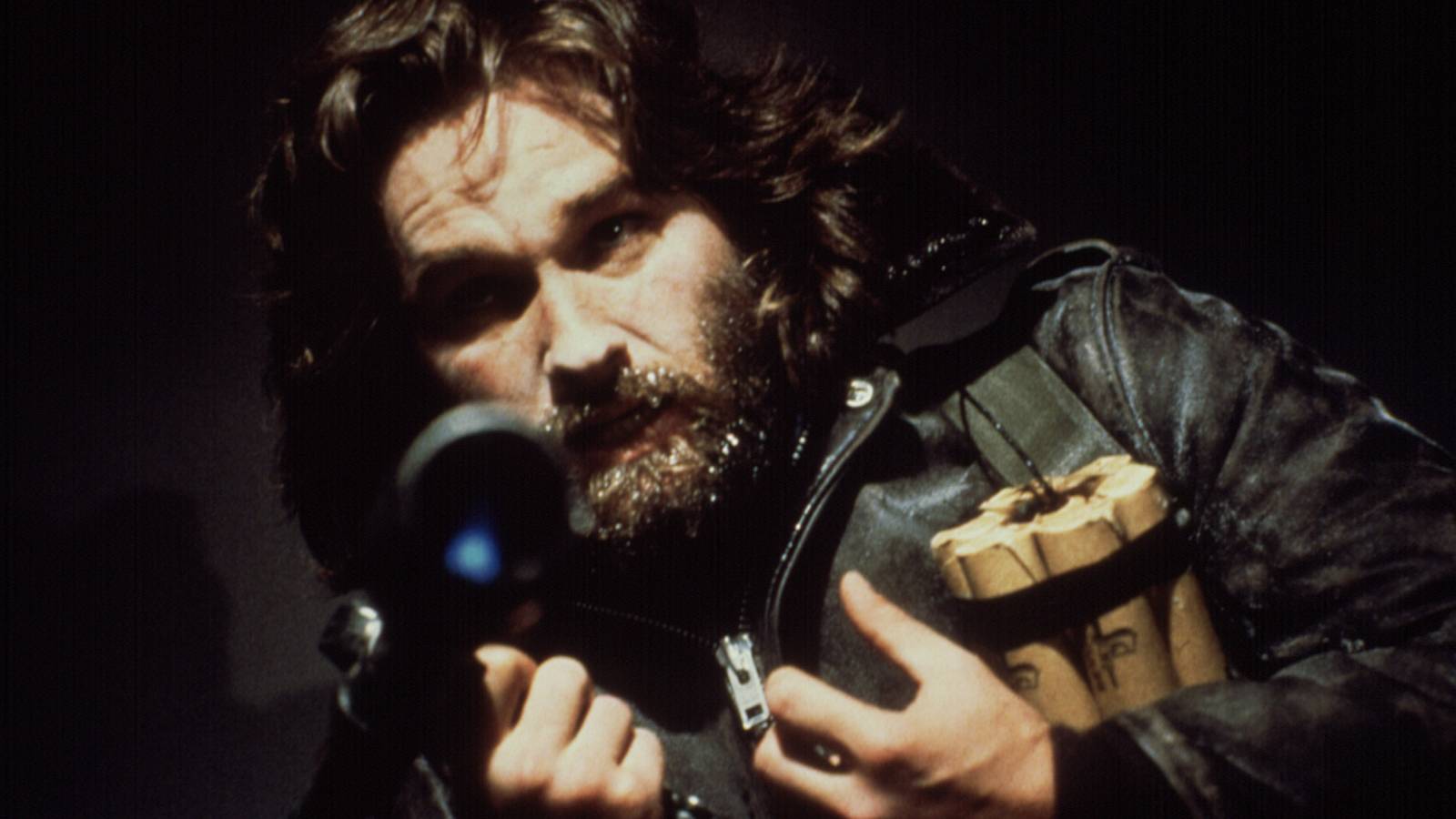
By contrast, look at the memorable blood test sequence in Carpenter’s film, which is used to establish this link between cold and fear. In this scene, MacReady deduces that every shapeshifted version of the creature abides by a survival instinct, which should make them react to heat on a DNA level. As he ties everyone up, takes samples of their blood, and holds a heated piece of wire against each Petri dish full of blood, an unbearable suspense builds until one sample reacts violently to the heat. The Thing isn’t just weak against fire — it needs the unrelenting cold to breed distrust, permitting logic and empathy to break down at an alarming pace. At the same time, the cold numbs everyone’s physical senses, making it impossible to keep track of the group at all times.
Heijningen’s 2011 prequel incorporates icy glaciers and gorgeous winter landscapes to set the scene, but doesn’t use it to influence character decisions or dictate the creature’s psychological impulses. Even when the creature mutates and sprouts another head before a bloodbath, the prequel doesn’t tap into the fragility of the relationships within the Norwegian camp or address whether these traumatized researchers feel guilt-stricken over the weight of their actions. By contrast, Carpenter uses palpable fear to expose character interiority, even when we don’t know a whole lot about the characters’ moral compasses.


Even the much-debated ending of The Thing, where MacReady and Childs (Keith David) reluctantly share a drink, is governed by the merciless cold and how futile it is to fight against such an all-consuming force. We don’t know whether MacReady or Childs is compromised, or whether they’re both just crippled by paranoia, but these emotions take a back seat as they face the probability that they’re going to freeze to death. Their efforts might have killed The Thing, but it has won either way, casting a bleak shadow over everyone’s fate.
The evidence of the survivors’ icy breath (or lack thereof) makes for intriguing theories about which of them might be an alien. But in his finale, Carpenter isn’t interested in pitting Childs against MacReady. They’ve already experienced the worst kind of loss and betrayal. What better way to succumb to such brutal isolation than to share a final bottle of alcohol in a cautious bid for warmth and connection?
Both 1982 and 2011’s The Thing are available for rental or purchase on Amazon, Apple TV, and other digital platforms.