


![27th Mar: Trading Places (1983), 1hr 56m [R] (6.75/10)](https://occ-0-953-999.1.nflxso.net/dnm/api/v6/Qs00mKCpRvrkl3HZAN5KwEL1kpE/AAAABcB_CwnZponqrWt4glTIvJtQQGvdi61UGKaJ85IZxKjw6G1J2WaAszCRUDK5ai4PJwe5jS-QRMIuctjEzgK0MjSwgoH9NCbbS0qZ.jpg?r=50c "27th Mar: Trading Places (1983), 1hr 56m [R] (6.75/10)")


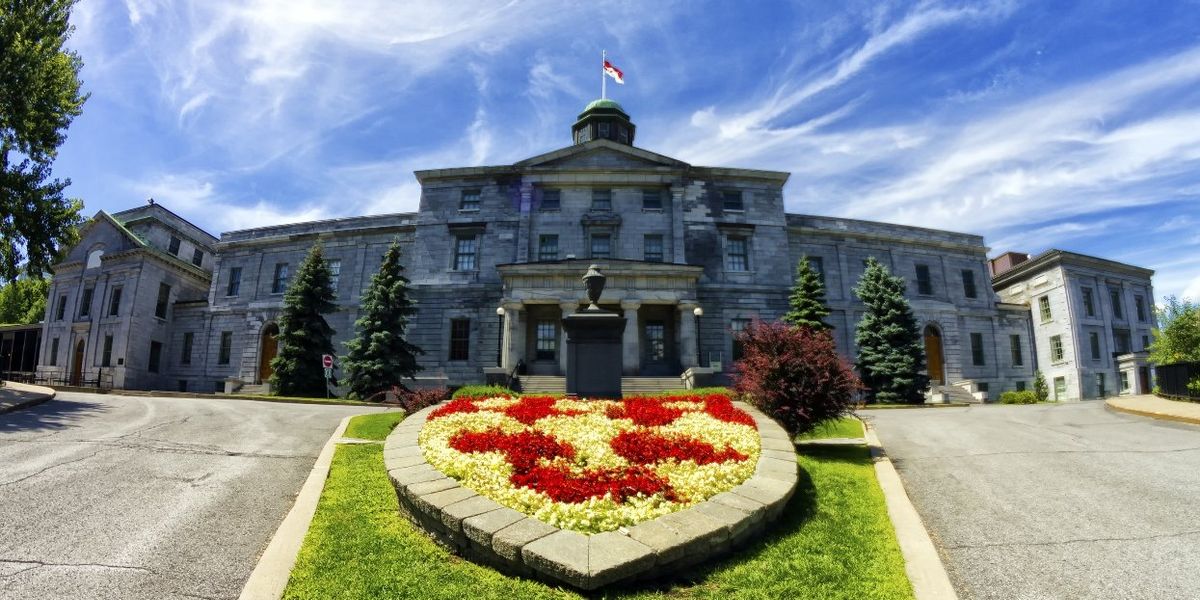
Back in January, McGill took a beating in the TIME/Statista world university rankings, landing at 154th globally while the University of Toronto came in at 24th. This week, the tables turned.
QS Quacquarelli Symonds published its 2026 World University Rankings by Subject, and the headline result belongs to McGill. Its Engineering — Mineral and Mining program climbed to second in the world, its highest ranking ever, and the highest rank achieved by any Canadian university in a specific subject across this year’s entire list. The program has now sat in the global Top 10 for 10 consecutive years.
For broader context, McGill also sits at 27th in QS’s overall global university rankings (that list was released last June), putting it ahead of U of T at 29th and UBC at 40th.
Of the 55 academic disciplines assessed across more than 18,000 programs at 1,900 institutions worldwide, McGill placed 43 programs in the global Top 50 and another 10 in the Top 100.
Several other programs also placed among the very best globally. Anatomy & Physiology held firm at fifth in the world, Library & Information Management jumped to 11th, Music tied for 13th, and Performing Arts came in at 15th. Five McGill subjects ranked in the Top 20 and 10 placed in the Top 30, including Psychology at 22nd and Medicine at 23rd.
Beyond the top performers, McGill saw broad gains across the board. Of the subjects ranked in both 2025 and 2026, 33 improved year over year. Pharmacy & Pharmacology made one of the bigger leaps, climbing from 58th to 37th. Mathematics rose 17 places to 55th, Business & Management Studies improved 16 places to 44th, and Sociology gained 16 spots to reach 32nd worldwide.
At the faculty level, four of McGill’s five broad subject areas improved compared to last year. Social Sciences & Management rose to 32nd, Natural Sciences to 39th, Engineering & Technology to 41st, and Arts & Humanities to 35th. Life Sciences & Medicine tied for 28th globally.
You can access Quacquarelli Symonds’ entire global ranking here.