




![28th Aug: The Whisper Man (2026), 1hr 53m [R] (6/10)](https://occ-0-487-92.1.nflxso.net/dnm/api/v6/0Qzqdxw-HG1AiOKLWWPsFOUDA2E/AAAABXN3HmcBrpJX42Q_B_6Aj61eAkrKTsAU61uawiEa2x40-GZQppRyY-VlF1QtO_O0HsTK6ba3ZM3593k9o6UtEuSlH9YR6ryUhS23r-svIOJeY8BZVS52y4rjmaOnmOOWSKKZoLfXV2g-CPZg3KRdqQ44F9Mr7xG9vIj29QnxagLQ2A.jpg?r=dfa "28th Aug: The Whisper Man (2026), 1hr 53m [R] (6/10)")



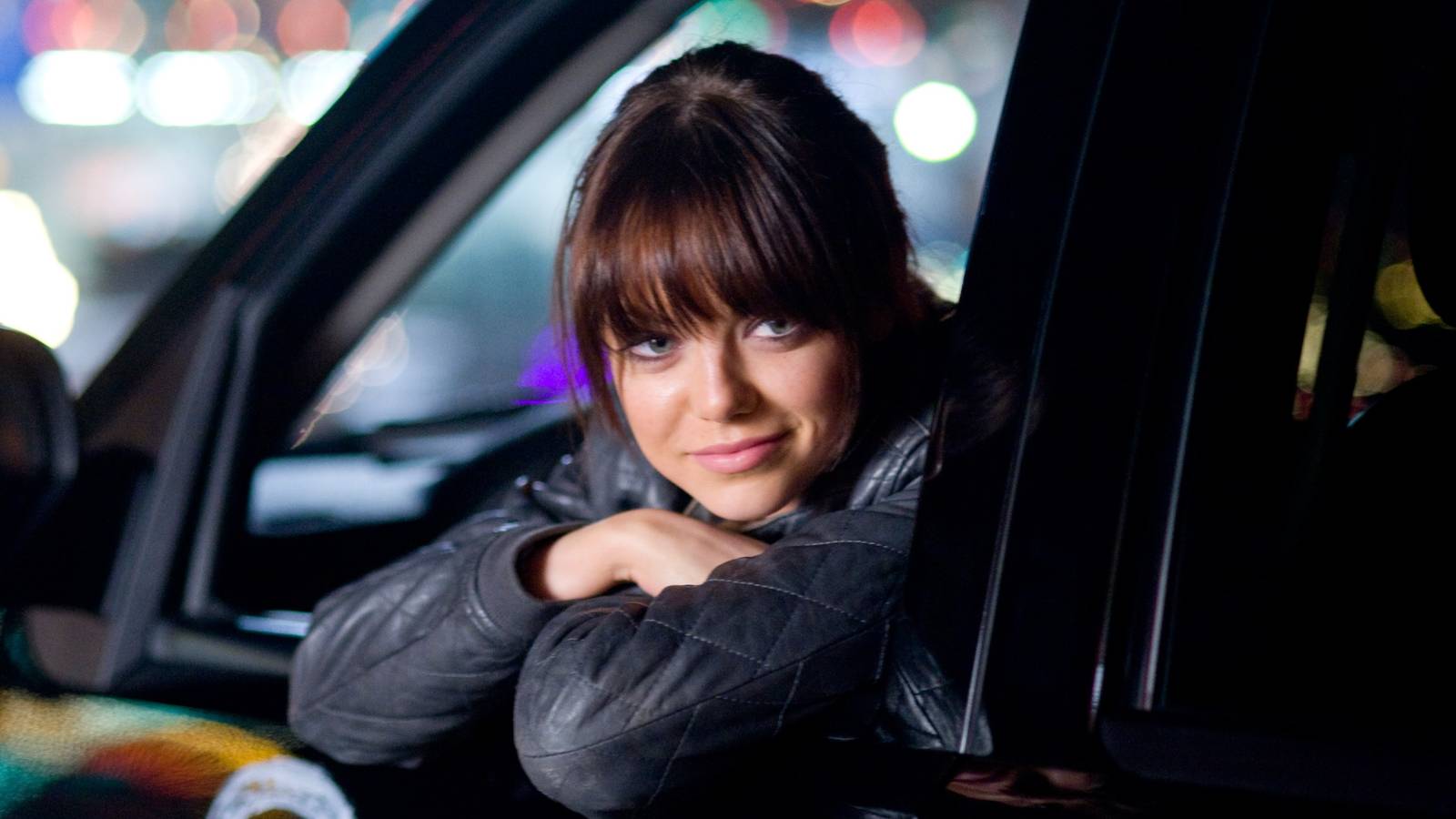


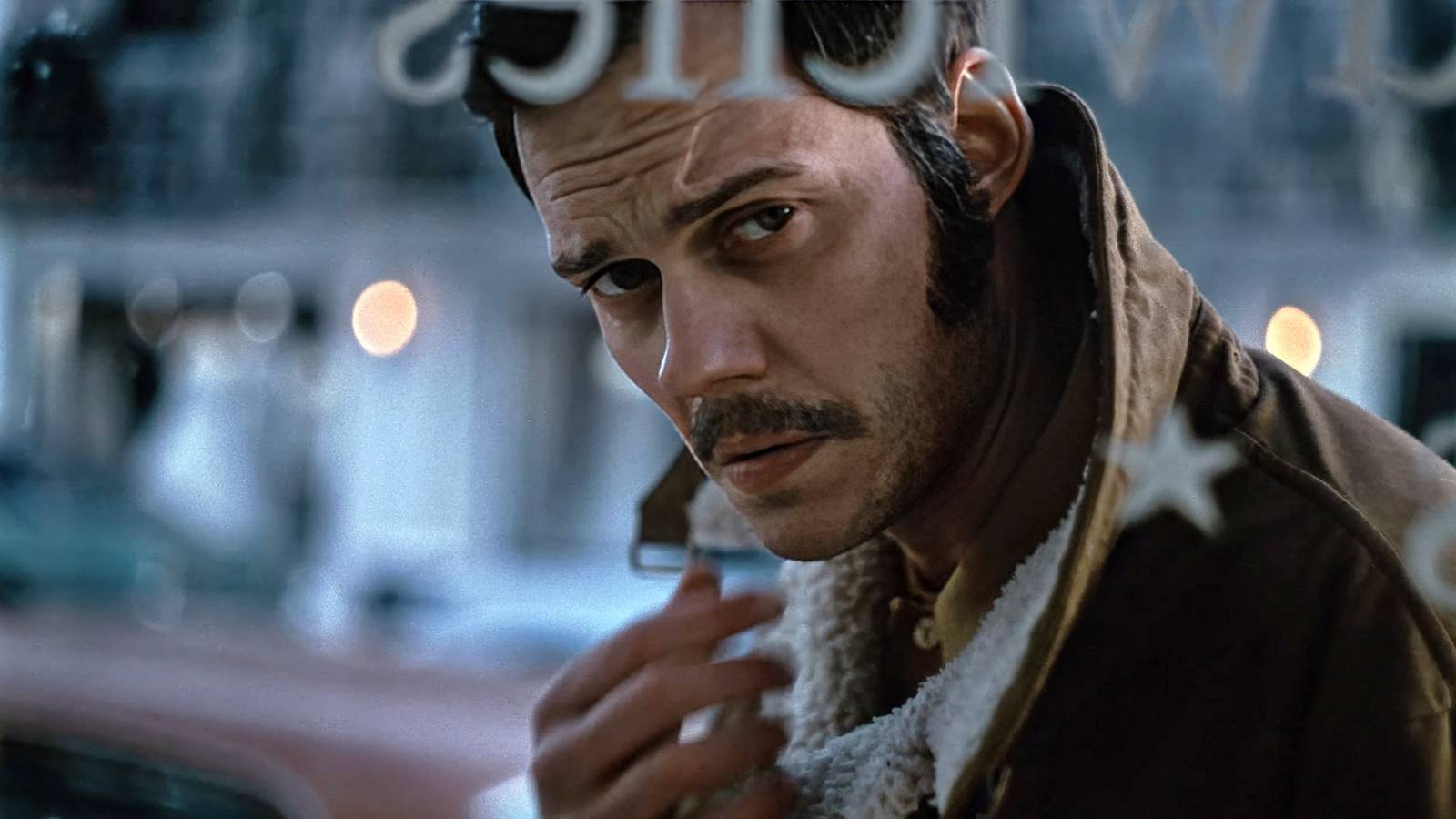
In 1977, an Indianapolis man called Tony Kiritsis (Bill Skarsgård) abducted the son of a mortgage broker he felt had wronged him and looped a short wire attached to a shotgun around his neck. If the hostage, Richard Hall (Stranger Things‘ Dacre Montgomery), made so much as a sudden move, he’d get his head blown off.Gus Van Sant’s Dead Man’s Wire, now trending on Netflix, adapts this story into a tidy, purposeful little thriller with an unhinged protagonist, a cool radio DJ, and an anti-capitalist subtext (kind of). But if the loaded gun at the center of his docudrama feels like too perfect of a thriller device, Van Sant has receipts. Over the end credits of Dead Man’s Wire, he shows TV footage of the real Kiritsis marching the real Hall down the street with the shotgun pressed into his neck, Hall’s shirt collar turned up and shoulders hunched against the deadly noose. The moment looks exactly as it does in the movie.
Van Sant is the director of ’90s classics To Die For and Good Will Hunting, and has also skirted both aesthetic and political controversy with some of his projects, like his shot-for-shot remake of Alfred Hitchcock’s Psycho and his dreamlike school shooting movie Elephant, which directly echoed the 1999 Columbine massacre just a few years later. In other words, he knows a thing or two about both the technique and the artistic resonance of recreation.
This could be why Dead Man’s Wire feels so authentically steeped in its period, despite clearly being made on a tight budget (it was shot in just 19 days). You expect the minutely observed 1970s costumes and carefully curated needle drops (including Deodato, Labi Siffre, Donna Summer, and Barry White). You assume the laconic narration from radio DJ Fred Temple (Colman Domingo) is just scene-setting, but he turns out to be a key character. Everything on-screen has a purpose, and the film is suffused with a perfect 1970s malaise; without using old film stock or aping ’70s styles, Van Sant shoots with a patient, observational style that seems to summon the past.
All the same, the choice to show Kiritsis at the end is arresting, because Van Sant’s choice of actor looks so different. The real Kiritsis was unassuming and middle-aged; Skarsgård, the chiseled and gangling monster of It and Nosferatu, is looming and magnetic, wielding his powerful baritone voice like a machine gun. Skarsgård loves to transform, and as Kiritsis he’s nervy, explosive, but also prone to bouts of humor, charm, and even gallantry as he strangely tries to ingratiate himself with Dick Hall, the man he’s threatening to kill. Tony believes Hall’s father, M.L. (a grotesque Al Pacino), intentionally thwarted his plans to develop land into a shopping mall, and he wants to get paid, but his grievances seem to run deeper than money. What he most wants is an apology from the unrepentant M.L. and a recognition of his personhood from the media that quickly swarm around the incident, including Temple, his favorite DJ.
In Van Sant’s hands, 1977 feels like 1977, but it also feels like a lot less than 49 years ago. It’s hard not to see a foretaste of Luigi Mangione in Tony’s violently personal attack on a dehumanizing system, or of our smartphone-surveillance age in the way Van Sant constantly cuts to the TV cameras’ distant, shaky angles on the action. But Dead Man’s Wire oddly stops short of having anything to say about the political dimension of the incident, or even about the morality of Tony’s actions.
Van Sant’s point of view rests uneasily somewhere between the volatile but hard-done-by Tony and the privileged but victimized Dick (Montgomery is superb). Where should our sympathy lie? Van Sant pointedly refuses to answer the question. Dead Man’s Wire is based on the 2018 documentary Dead Man’s Line (whose directors consulted on the new film), and as thrilling and unbelievable as it is, it’s made in a documentary spirit. This is what happened; you decide.
