







![28th Aug: All the Truth in My Lies (2026), Limited Series [TV-MA] (6/10)](https://occ-0-4721-92.1.nflxso.net/dnm/api/v6/0Qzqdxw-HG1AiOKLWWPsFOUDA2E/AAAABUps09HZkJ80Lgw2qHSM-_594iR3C-M7zSL44G7f0TjVJIicgBOqj7bV7dnLdPBc1gfkGiZv7y4hb1OHZJy3eDse_fEN29OTjPL8k0JaHSi1MNn4xlXd-rH28G7VLW13_bVvkzBWBZWqi7v-YktMv-g52ud7PI2PP15atiuKVUi2dg.jpg?r=7cd "28th Aug: All the Truth in My Lies (2026), Limited Series [TV-MA] (6/10)")



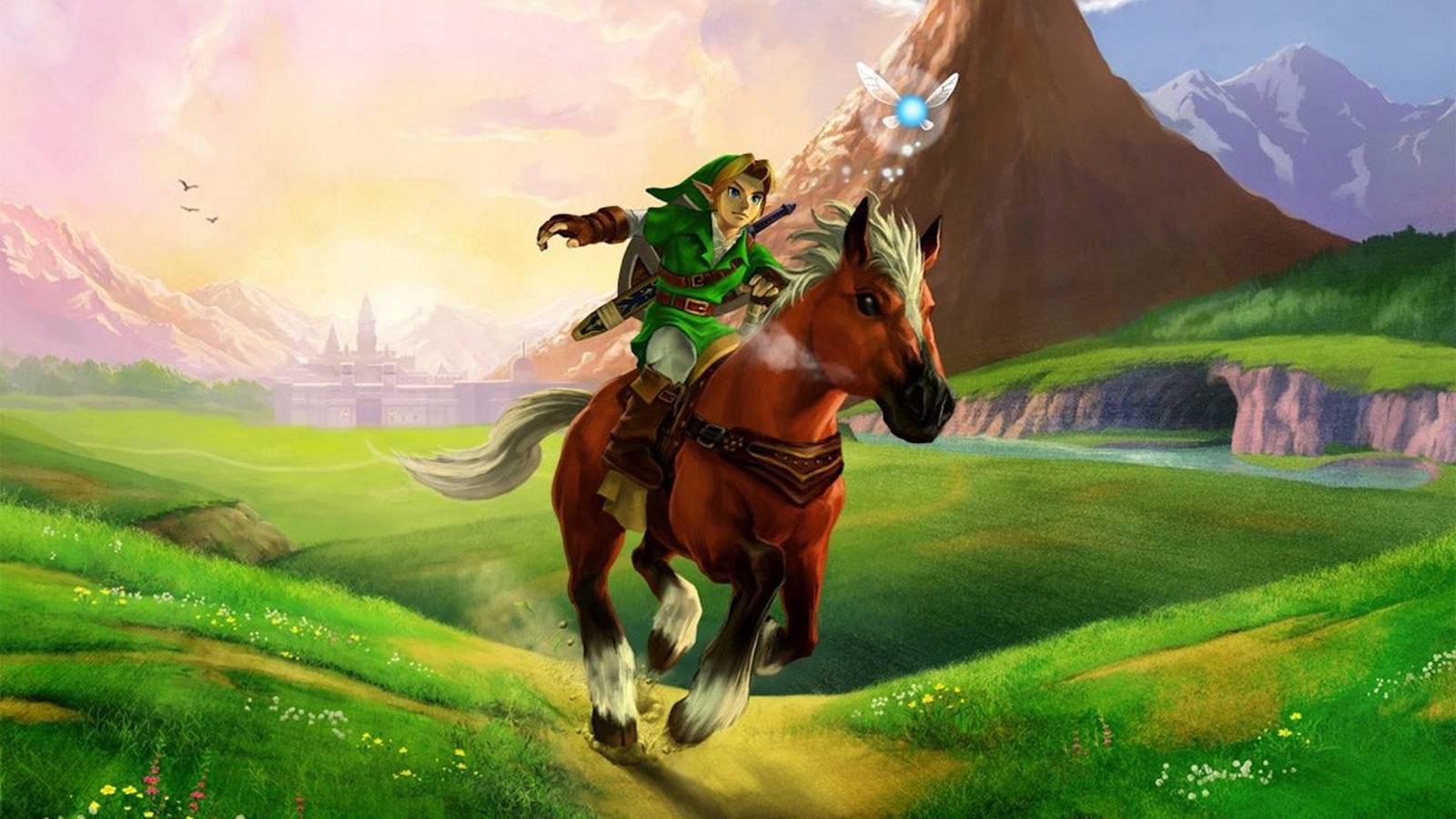
Nintendo announced The Legend of Zelda: Ocarina of Time remake after weeks of swirling rumors. The reveal trailer didn’t give us much to go on — just a tapestry and a sleepy Link, really — but the remake’s existence is enough to make me wonder what Nintendo has planned for Zelda’s future in the short term and whatever’s next after Ocarina of Time.
Shortly before Tears of the Kingdom launched in 2023, series producer Eiji Aonuma said he and the Zelda team wanted Breath of the Wild‘s style of “open” play to be the series’ cornerstone moving forward. Then at the end of that year, Aonuma said Nintendo was definitely done with Calamity Hyrule — no Tears of the Kingdom DLC or direct sequel.
Which leaves the Ocarina of Time remake in an unusual, but potentially exciting position. Nintendo could take the safe route of turning the project into a faithful 1:1 adaptation of the Nintendo 64 game and use it as a stop-gap between now and whenever a brand-new Zelda game launches. As popular as Ocarina of Time still is, nearly 30 years after its original launch, a risk-free-but-visually-updated game would probably still go over quite well. Just look at Bethesda’s Elder Scrolls Oblivion glow-up.
But what an odd return to the past that would be, a past that tripped the series up and almost made the series lose its relevance in the mid-2000s. The most common complaint about 2006’s Twilight Princess is how stale its devotion to the structure Link to the Past established and Ocarina of Time cemented. That style of Zelda game has little room for openness, blocking off entire areas until you get the right equipment and leading you through dungeons in a non-negotiable order.
Nintendo’s efforts to appease the folks who disliked that linear approach brought us Skyward Sword in 2011 and its fresh (for Zelda) idea of returning to dungeons and making character relationships matter. Critics liked it; consumers were divided. 2D Zelda games were rather more experimental, though. 2013’s Link Between Worlds lets you tackle dungeons in any order and adopts a rental policy for tools, so it feels a bit more like you’re charting your own course through the game — not quite the “open” play of Breath of the Wild, but still much less rigid. After BotW and Tears of the Kingdom, Nintendo released Echoes of Wisdom, another attempt at changing how a Zelda game plays based on which tools you get (or create for yourself, in this case) and how you use them.
Aonuma already said things like Ultrahand from Tears of the Kingdom won’t be making a comeback, and it’s probably safe to assume the Sheikah slate abilities from Breath of the Wild won’t either. So even if the Ocarina of Time remake is fully open-world, I’d be surprised if it’s the kind of open world that awes with its scope like the Calamity games do. Instead, I can see Nintendo using the remake to combine the Big Idea from Tears of the Kingdom (doing unique things with the environment) and the concepts from Link between Worlds and Echoes of Wisdom — a bigger emphasis on how you can interact with the world using a handful of tools. If Nintendo doesn’t want to make every new Zelda game a massive open-world experience, this path seems like the way to preserve that freedom without needing six or more years between every launch.
Not that I have a clue how that might work in practice. Break the sequence by renting the Bomb Bag as soon as you leave Kokiri Forest? Stomp around Hyrule Field in the Iron Boots as Young Link? Though that raises the question of why you’d want to do that anyway, unless Nintendo’s redesigned absolutely everything about the game and added new challenges and locations as well.
We’ll know what the plan is soon enough. 2026 only has six months left, and Nintendo promised more Ocarina of Time remake info before the game launches later this year.
Nintendo’s Zelda: Ocarina of Time reveal was a mistake
It’s exciting, but there’s too much room for speculation
