







Biopunk is a genre that we desperately need more of. Like cyberpunk’s interest in dystopia and characters who live life on the margins of society, biopunk is all about the effects of technology on the body, and the repercussions it might have on society. Shows and movies tackling these subjects make for thoughtful if squeamish experiences, asking some great questions about humans, their purpose, and the roles of corporations who have access to our genetic information. Despite how relevant these topics are in the modern era, biopunk stories remain incredibly rare.
One of the great examples of biopunk television is Orphan Black (2013), which is streaming in full on Netflix. Underneath a complicated conspiracy plot that involves scary corporations, mad scientists, awful tests on human subjects, and dozens of clones, the series features one of the best performances of all time. Through her years in the show, Tatiana Maslany went from an unknown Canadian actress to Emmy winner, playing 17 distinct clones across five seasons. More than a decade later, while some of the series’ special effects have aged, the scenes of Maslany’s clones speaking, yelling, hugging, and dancing with each other feel as magical and unique as they did when they first aired, luring you into believing that there really are multiple women onscreen.
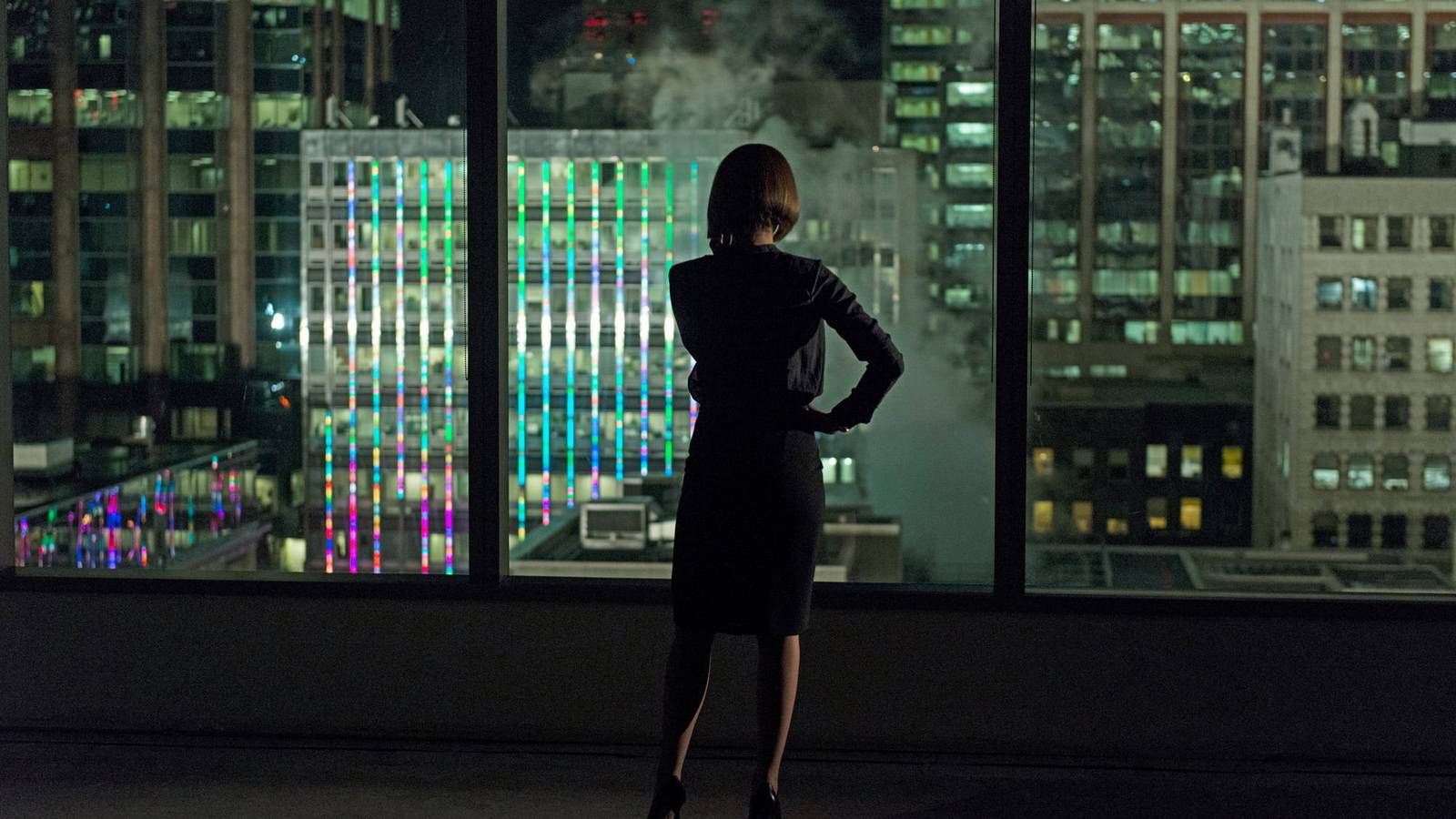
Created by John Fawcett and Graeme Manson, Orphan Black follows a group of clones whose lives are constantly monitored by a biotech corporation called the Dyad Institute and the scientists that made them. While Fawcett and Manson have been involved in other shows and films — including the all-time great werewolf horror movie Ginger Snaps, Amazon’s dystopian alt-history series The Man in the High Castle, and cult classic sci-fi thriller Cube — no project encapsulates their interest in horror, dystopia, and science more than this small BBC America series. In the case of Maslany, who’s since led her own Marvel show and has starred in numerous movies and shows, no project better understood her skills as a performer than Orphan Black.
While the series features an ensemble cast, the story has a clear point of view, centered on one of the clones. Sarah Manning (Maslany) is a British con artist that we meet in the show’s opening scene as she’s returning to Canada, where she was raised. Sarah is on a train, looking hungover and sleepless. As she steps out, she sees a woman acting suspicious, dropping her purse on the dirty floor of the station and taking her heels off, hovering over the edge of the train tracks. The woman turns and the two look at each other. They’re identical.
The mystery woman then jumps in front of the train. Sarah panics and takes her doppleganger’s purse, adopting the woman’s identity before she can question her own motives. It’s an exciting entry point, teasing the show’s central mystery and establishing Sarah as a unique protagonist.
Through its first season, Orphan Black keeps up with its exciting opening, burning through plot at a riveting pace and introducing twist after twist. It trails Sarah from one problem to the next, as she cons her way into a dead woman’s life and ends up inheriting her problems, becoming immersed in a vast conspiracy that leads to meeting and developing relationships with her many other genetic identicals.
In each subsequent season, Fawcett and Manson try something new, introducing a larger and more evil corporation, a new batch of clones, more love interests, and opportunities for chaos and body horror. While always exciting and easy to watch, Orphan Black is also thoughtful. It never forgets it’s a series about female clones; women who were engineered in a lab. The character’s agency is a topic that’s consistently explored and discussed, whether in conversations among the clones or in scenes with the people in their lives, whom they can never really trust. The show’s sharp commentary on women’s bodies was clear eyed and remains relevant a decade later.


Like most shows that last through various seasons, there are ebbs and flows in quality. A batch of male clones are introduced at one point, and there’s a military plot line that gets drawn out for too long, diffusing the story and what made it so sharp and unique at first. Luckily, the plot is pared down for its final season, recentering itself on to the clones we first started the show with and the original group of mad scientists. Orphan Black sticks the landing, delivering an ending that serves justice to its original characters and leaves them in the right place.
Thirteen years later, Orphan Black remains a prime example of great serialized sci-fi. The series is a great conspiracy thriller with the vibe of a pulpy and fun novel, posing thoughtful questions about human biology and the perils of manipulating it for hubris or power. Still, the best thing Orphan Black does is much simpler: It features a great and timeless performance. We know there’s only one actress playing all those clones, but Maslany’s work functions so well that you’ll come out of the show fully under her spell, wondering how she pulled it off.
