![24th Feb: Taylor Tomlinson: Prodigal Daughter (2026), 1hr 9m [TV-MA] (6/10)](https://occ-0-7328-999.1.nflxso.net/dnm/api/v6/Qs00mKCpRvrkl3HZAN5KwEL1kpE/AAAABcWiGPDKiZkHFS_h89dN8D6TPaYhbsYXVstTA1ACc3Z0n6GrWNXmlbB4ddBUse6H0kl3qJpjGjyMzlR7a2nmd6VAM_qYglRocKt3FQzzT7CtJvR0IYVxk0NbBplBiGW_GQ-eHIoI1SkBU2KGvywYUEC79sWnI32dM5kBM5jwtnjxoQ.jpg?r=987 "24th Feb: Taylor Tomlinson: Prodigal Daughter (2026), 1hr 9m [TV-MA] (6/10)")

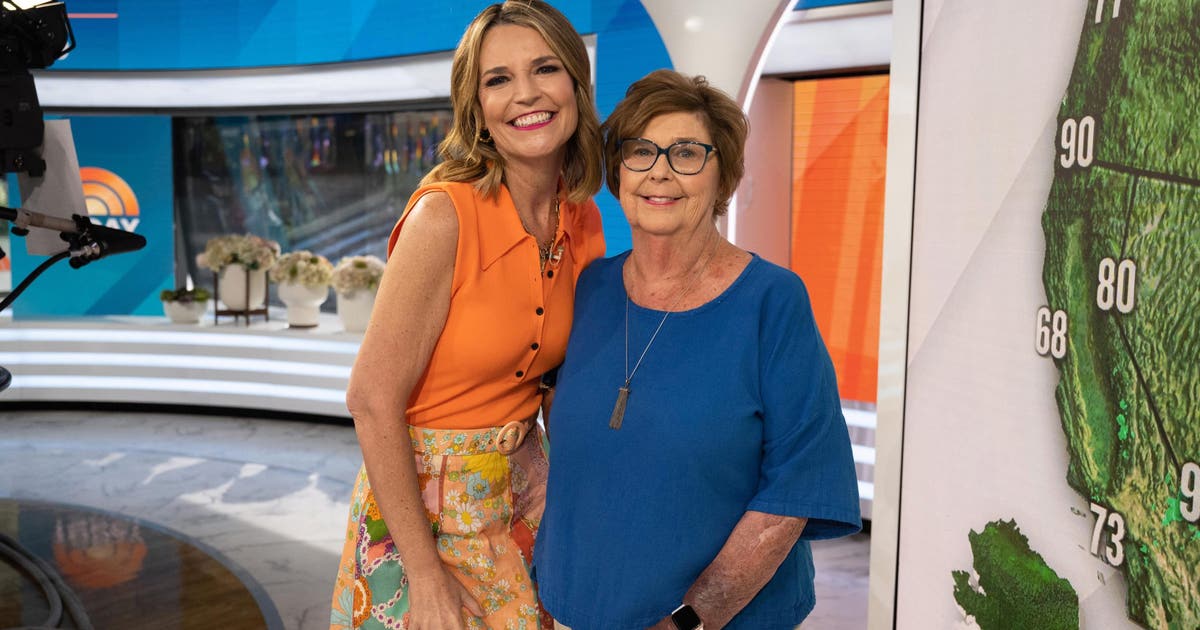




As long as she has someone to share it with her, a banana split will be “my first choice on a menu,” says North Carolina pastry chef Savannah Foltz. Her favorite comes from Tad’s Dairy Barn, a roadside trailer in West Virginia, where the banana split is straightforward: ice cream, fudge, pineapple sauce, whipped cream.
As much as she loves the banana split, there are ways in which she thinks the format could be improved. “My big thing is that it doesn’t have [enough] texture,” Foltz says. “It feels flavorful, but flat.” That was something Foltz, executive pastry chef at the Charlotte, North Carolina restaurant Supperland, wanted to change with her version. Each year, she offers a sundae of the year; this year, it’s the banana split. The restaurant, which is housed in a former church, bills itself as a “Southern steakhouse meets church potluck”; the menu draws heavily on reworked classics, and Foltz wanted to add complexity.
Here’s how she builds her banana split: She toasts milk and sugar to build flavor in her ice cream base, chars the pineapple for her pineapple sauce on the wood-fired grill, and replaces the strawberry sauce with a strawberry-milk crumble with bits of freeze-dried strawberries, which “add [a] really crunchy, salty element that I always feel like a banana split is missing,” Foltz says. She infuses her whipped cream with banana, and the bananas themselves are brûléed. There is fudge, of course, drizzled tableside for a bit of action. “I think that we as chefs just can’t leave something alone,” she says.
The banana split is inarguably an American classic, synonymous with the pharmacies and soda fountains that dominated the United States from the early 1900s to the 1960s and ‘70s. It’s a compelling visual of bygone, idyllic Americana, but it’s also a dessert that seemed to have dwindled in real-life popularity in recent decades; like Jell-O, it’s perhaps been more exciting as an idea than as a gastronomic reality. But more recently, pastry chefs at places like Fedora in New York City, Middle Child Clubhouse in Philadelphia, Veil & Velvet in Los Angeles, and Siti in Austin have been putting banana splits back on menus at restaurants, playing on the easy appeal of nostalgia and whimsy. In doing so, they’re making the classic dessert even better.


For Ricardo Menicucci, executive pastry chef of Veil & Velvet in the Four Seasons hotel in Beverly Hills, the banana split felt like a natural choice for the lounge’s 1950s glamour concept. He fills a large crystal cup with pieces of caramelized banana; adds scoops of house-made strawberry, dark chocolate, and vanilla ice cream; and tops it with a large wafer cookie, cookie dough streusel, and a showy tableside drizzle of creme anglaise. “I don’t think I need to reinvent the wheel, but I need to create something that is familiar, is decadent, and is fun for the guest,” he says. The $29 dessert is the most popular on the menu.
And that’s not even the most extravagant recent take on the banana split: At Oak Park in Des Moines, Iowa, the $100 banana split features pistachio, banana saffron, and foie gras ice creams, along with gold foil and Armagnac caviar.
If the banana split has had a weak spot, it’s always been the namesake banana, which runs the risk of being stodgy, starchy, or downright bland. Bruleeing or flambéing the banana, as most of these restaurants now do, can be a pragmatic choice, allowing even out-of-season bananas to become caramelized and sweet. At Middle Child Clubhouse, the bananas are coated with turbinado sugar and then torched, which gives them not only flavor but also crunch. Along with peanuts and sprinkles, “it adds contrast,” explains owner Matt Cahn, as well as an “elevated” approach that’s still mostly in line with the banana splits he remembers from his childhood trips to the Jersey Shore.

For Laila Bazahm of Siti, who was raised in the Philippines and started cooking in Singapore, the banana split offers a way to play with layers of nostalgia. The bruléed bananas are meant to evoke the Filipino dessert turon, in which bananas are fried in a crispy, caramel-drizzled wrapper; coconut ice cream, pandan cream, and cherries compressed in a Singapore Sling mixture further ground the dessert in her background.
Scorfana, an Italian American kitchen residency that operates out of a Portland, Oregon jazz club, recently served a week-long banana split special that “bounced around the worlds” of Italian cooking and Americana, according to chef and owner Jonathan Wiley, with spumoni ice cream and the Italian liqueur Galliano in the pineapple topping. “Even though there were some twinges of Italian American things, it was just a big old dairy bar, soda shop, county fair dessert there,” he says, adding that he doesn’t see them often in restaurants in the area.
Especially when everyone’s had it with the “restaurant monologue,” there’s something appealing about a dessert that doesn’t need to be explained. Dessert can sometimes be a hard sell following an “already generous Italian meal,” he’s found; that’s even more the case when it’s something that he’s “hallucinated” after “walking [to] the market and buying kumquats,” he says.
Instead, “those sort of desserts that feel a bit nostalgic are just really hospitable finales to a meal,” Wiley says. The banana split is “just so saccharine with memory and sincerity and sugar, it sells itself in a couple of spoonfuls.”