![17th Jul: The Butterfly Effect (2004), 1hr 53m [R] – Streaming Again (6.8/10)](https://occ-0-1081-999.1.nflxso.net/dnm/api/v6/0Qzqdxw-HG1AiOKLWWPsFOUDA2E/AAAABSZAAfNU3QBIWm8HzjTUCDxqWnPymZmaUeG_zyDv_Oyo_L4H8Ci_ihnLZZWPVVnhegl29d8bvb9FVQq3i2OhJNcFB1hRisdwXKKJ.jpg?r=f29 "17th Jul: The Butterfly Effect (2004), 1hr 53m [R] – Streaming Again (6.8/10)")





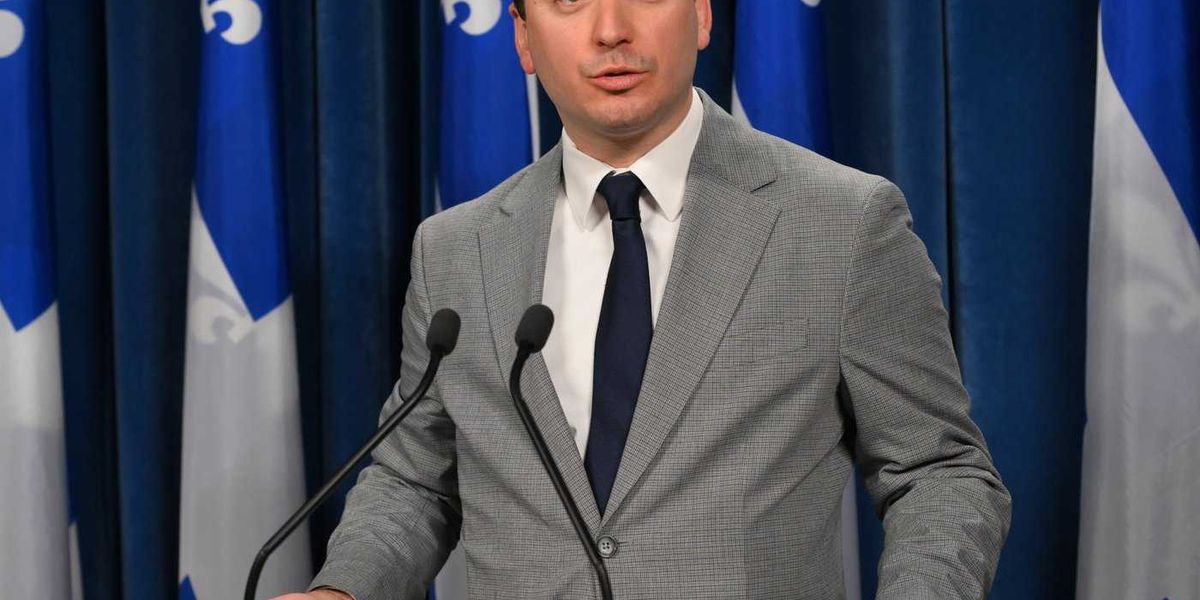
Quebec legislature members are coming together to denounce the prime minister’s comment suggesting that a simple majority isn’t enough for a province to separate from Canada.
Prime Minister Mark Carney said this week that a 50 per cent plus one vote doesn’t constitute a clear majority under Canada’s Clarity Act.
The act was passed in 2000 and gives the House of Commons the power to determine whether the federal government should negotiate with a province that proposes to separate from Canada following a referendum.
Under the act, federal politicians would be empowered to make this decision based on whether they believe a clear majority has clearly expressed a desire to separate.
Quebec politicians have been opposed to the federal law for decades, and the legislature also adopted its own law declaring that 50 per cent of the votes plus one is enough to win a referendum.
Members of the Coalition Avenir Québec, the Liberals, the Parti Québécois and Québec solidaire all denounced Carney’s statement.
Justice Minister Simon Jolin-Barrette says Quebec’s laws apply when it comes to constitutional issues, and that the province’s position has long been clear.
“All the parliamentarians here in Quebec City, and all successive governments of the Quebec state, have always held the same position,” he said. “So it’s the Quebec legal framework that applies, period.”
He was echoed by International Relations Minister Christopher Skeete, who said the federal government should not interfere in discussions that belong to the Quebec people.
Bill 99, passed in 2000, stipulates that “When the Quebec people is consulted by way of a referendum under the Referendum Act, the winning option is the option that obtains a majority of the valid votes cast, namely 50 per cent of the valid votes cast plus one.”
It takes aim at the federal Clarity Act, which states that the federal government will not negotiate secession with a province unless the referendum question is clear, and unless there has been a “clear expression of a will by a clear majority of the population.”
Liberal Leader Charles Milliard, who has said he’s ready to lead the federalist campaign in a future Quebec referendum, said his party’s position is “very, very clear.”
“Law 99 is very clear: it’s 50 per cent plus one,” he said.
The Parti Québécois has promised to hold a referendum by 2030 if it forms government this fall. PQ legislature member Alex Boissonneault described Carney’s comments as “unacceptable.”
“Once again, Mark Carney not only demonstrates that he doesn’t know Quebec, but he also shows that there’s no argument to defend his project, to defend the Canadian federation,” he said.
Several politicians were also asked how they’d vote if a referendum comes to pass.
Quebec Culture Minister Mathieu Lacombe said Tuesday that he would vote yes to leaving Canada, while Labour Minister Jean Boulet said he would likely side with the No camp.
Milliard said Wednesday he was “part of the majority of Quebecers who do not want a referendum,” adding that he would work with others to campaign for the No side.
Several Coalition Avenir Québec members, including Jolin-Barrette and French-language Minister Jean-François Roberge, did not want to say how they would vote.
Boissonneault said he believes there “some discomfort” among pro-sovereignty elected officials within the governing Coalition Avenir Québec, as it remains a “federalist party.” But he said there was room for those party members on the Yes bus, adding, “We’re bringing everyone together. That much is clear,” he said.
Guillaume Cliche-Rivard, of the left-wing sovereigntist party Québec solidaire, said he believed that “being a sovereigntist and a CAQ member is irreconcilable.”
“Good for Mr. Lacombe. We’ll take everyone we can get on the Yes side,” he said.
When asked if she was uncomfortable with her ministers’ stance, Premier Christine Fréchette said only that “Quebecers do not want to go back to the old constitutional issues.”
This report by The Canadian Press was first published May 27, 2026.
By Thomas Laberge | Copyright 2026, The Canadian Press. All rights reserved.