![29th Aug: Mise En Place (2026), 3 Seasons [TV-14] – New Episodes (6/10)](https://occ-0-772-1001.1.nflxso.net/dnm/api/v6/0Qzqdxw-HG1AiOKLWWPsFOUDA2E/AAAABXLGUiU_-DFyKx0vgZUIXzAE2isgpKFavQG4pBZnTr1oTTcEtDEetfY3ixTMDGkBj3M9RWbR_fMgpmf2tQ3-v6w6pgzR0pBP1ysQfHPmUlQofa4iWdMgxLHUV4PRyZE3atBP7aPhO4NpqbGsU5EgpTl4WokQbeYTQ1w0ybwS.jpg?r=ade "29th Aug: Mise En Place (2026), 3 Seasons [TV-14] – New Episodes (6/10)")


![29th Aug: Hush & Brush (2026), 3 Seasons [TV-MA] – New Episodes (6/10)](https://occ-0-772-1001.1.nflxso.net/dnm/api/v6/0Qzqdxw-HG1AiOKLWWPsFOUDA2E/AAAABeGK_dT20GJ7SGnjSdIHafCMxrdBBce1FtFdpNWZ1SezMVFFBkYhL9NE633PBRsChArxoxTsfCXDikRB1RcwpbQE63GZCZOtw4ReivxtjYisTvMOA9dtOkS2mg_J77j2e-1sgjvMWIg3YbUu5Hjjj43R_jr3jV_ZK-Aa3E1F.jpg?r=782 "29th Aug: Hush & Brush (2026), 3 Seasons [TV-MA] – New Episodes (6/10)")


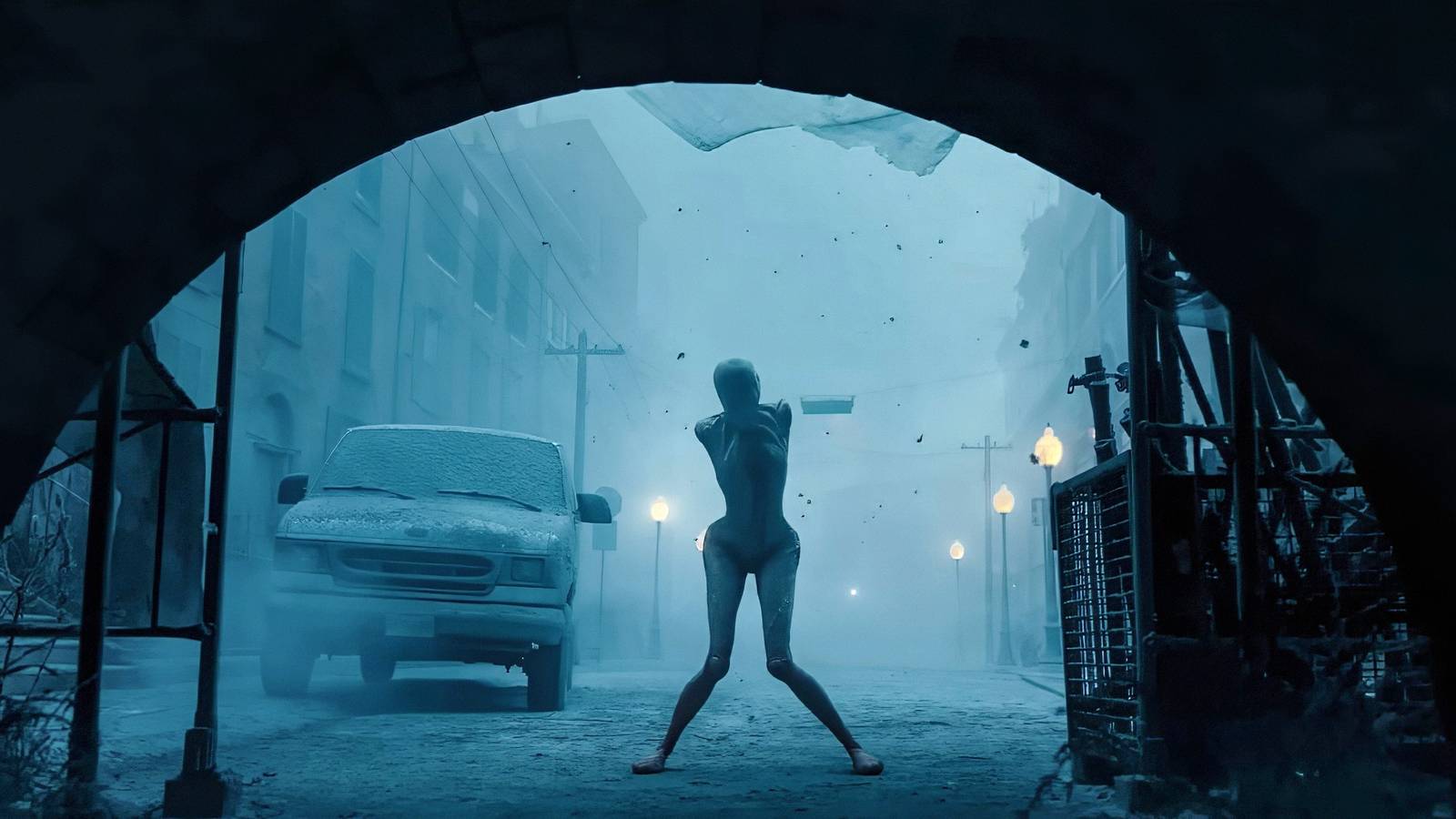
Fans have long argued whether a truly great Silent Hill movie is even possible, and after two largely panned features, it’s a valid question. With a total of eight mainline titles — soon to be nine with Silent Hill: Townfall — there are ample blueprints for a solid adaptation. These experiences share a rich iconography, relying heavily on character drama, psychological horror, and monsters laden with meaning. To make a great Silent Hill film, you don’t need to reinvent the wheel; you just need to trust and respect the source material. Unfortunately, nobody explained that to Christophe Gans.
Nowhere is this cinematic arrogance more evident than in the franchise’s latest feature, helmed by the director, 20 years after his original Silent Hill film. This time around, Gans attempts to adapt Silent Hill 2 — arguably the most beloved story in the series and one of the greatest games ever made. But after sitting through the agonizing mess that is Return to Silent Hill, which just recently landed on Hulu and is currently #1 on the platform in the U.S., it’s clear the franchise’s curse hasn’t been broken. Gans still treats this psychological masterpiece like a rough draft he needs to “fix.”
For those blissfully unaware, the film follows a grieving James Sunderland (Jeremy Irvine) as he returns to the cursed resort town after receiving a message from his supposedly dead wife, Mary (Hannah Emily Anderson). What follows is a journey through fog-filled streets, abandoned buildings, familiar monsters, and a series of increasingly questionable creative decisions that stray further and further from the game that inspired it.
To its credit, the film shows brief flashes of promise at the start. An early sequence featuring a Mustang winding through a mountain pass is genuinely striking, and for a moment it feels like Gans might finally have cracked the code. Then the camera cuts to James Sunderland pulling out a pre-rolled joint and nearly crashing into oncoming traffic.
The real kicker is how Gans turns the character of Sunderland inside out. The opening introduces us to a pot-smoking hot head, who turns into a drunkard after his wife’s death. It’s a totally bizarre characterization choice for one of gaming’s most famous protagonists. The James Sunderland of Silent Hill 2 isn’t a self-destructive artist spiraling through substance abuse. Yet here he’s reimagined as a painter, while Mary is saddled with an entirely new cult-related backstory that feels imported from a different franchise. The changes aren’t interesting reinterpretations, but actively undermine the emotional foundation of the original story.
The misuse of the supporting cast only highlights this fundamental misunderstanding of the source material. Take Eddie (Pearse Egan), who vanishes from the narrative after a single scene. The film completely discards the thematic weight of James’ encounters with other lost souls, treating Eddie like a brief vehicle for exposition before erasing him entirely. The same fate befalls Laura (Evie Templeton), whose innocence in Silent Hill 2 allows her to be unaffected by the town’s monsters, providing a crucial contrast to James’s guilt. Gans strips the narrative of the deep psychological layers that made the original story a masterpiece, reducing Laura to a standard horror movie plot device who simply hides from danger. Templeton even played Laura in Bloober Team’s Silent Hill 2 Remake. The production had a performer with a native grasp of the source material on set, only to squander her expertise by forcing her into a hollow, running-and-hiding trope.
It’s especially strange how far this movie veered from the source material, given that Gans frequently describes himself as a fan of the games. Yet Return to Silent Hill repeatedly misses details even casual players would recognize. In one unintentionally hilarious moment in the film, Mary complains that Silent Hill is boring because it lacks museums and clubs, but you literally visit these places in Silent Hill 2 — and the movie itself includes a lounge scene almost immediately after she says this.
If you’re looking for the best Silent Hill movie, skip Return to Silent Hill and the other adaptations as well. Instead, watch Jacob’s Ladder, the psychological horror classic that heavily inspired the original games. Its exploration of grief, trauma, and fractured reality captures the feeling of Silent Hill far better than any official adaptation ever has, and it’s even free to watch on YouTube. If Konami is serious about bringing the franchise to the big screen, it’s time to hand the reins to a filmmaker who understands the distinctly Japanese sensibilities at the heart of Silent Hill, like Genki Kawamura (Exit 8) or Kiyoshi Kurosawa (Cure, Pulse).
After 20 years and three attempts, the problem isn’t that Silent Hill can’t be adapted, but that too many filmmakers keep trying to fix something that was never broken in the first place.