![28th Sep: Last Trace with Kaelyn Moore (2026), 1 Episode [TV-14] (6/10)](https://occ-0-748-1001.1.nflxso.net/dnm/api/v6/0Qzqdxw-HG1AiOKLWWPsFOUDA2E/AAAABRgiBU3u-RO0IYB22mBLC13mui-x1MaNWSzO5-nhnojAPPXSM990zzQhwuHCuZF0GeSg2_G1o9St8zkTJtH551sS-LBQZ-U22AfeguU5ASfejiHnTbEMuYbP1n3OAl-c4GJirpxE1ksZvcywAXvmbNt0XvxDEJLxCJHAfelZ8nFJlRatB_D7mL-p7mWKKAYXGOiJXJ7RPX-P8-GhlBxm6bsjD61wcNH5IOlqpYXN9OLrusVNdobNwEz7Twb1ICjePY-croMZo1bfmzOs3I9lyESKqdx7gosuGJS3GSzS4iYz0rlivziilQ_ekBl-Kfssr-ej1R-0D-Dvir-6rsO-fsaGS7yjXhL4PIDsbD7t5mAnjWBAMyLTDl0cxmPB-c7XaSBCYKyy8GnEQsg_k9BkUxs5dPWCDFVPBnspru9GZvy8XYg--9MojRvG65G-4tZlZ4ouUd5BEdYxkkIldPJ9mj1bcLjuIpjiDcc0VrRS0q2pHsA8pgb8XJMr097Bez-XLdwr3ylfv9Nh9u2qEHM0_MTUdicV050JkrEJR6qLIcHtFhKAMeBplvyTDe05EK6B.jpg?r=97b "28th Sep: Last Trace with Kaelyn Moore (2026), 1 Episode [TV-14] (6/10)")




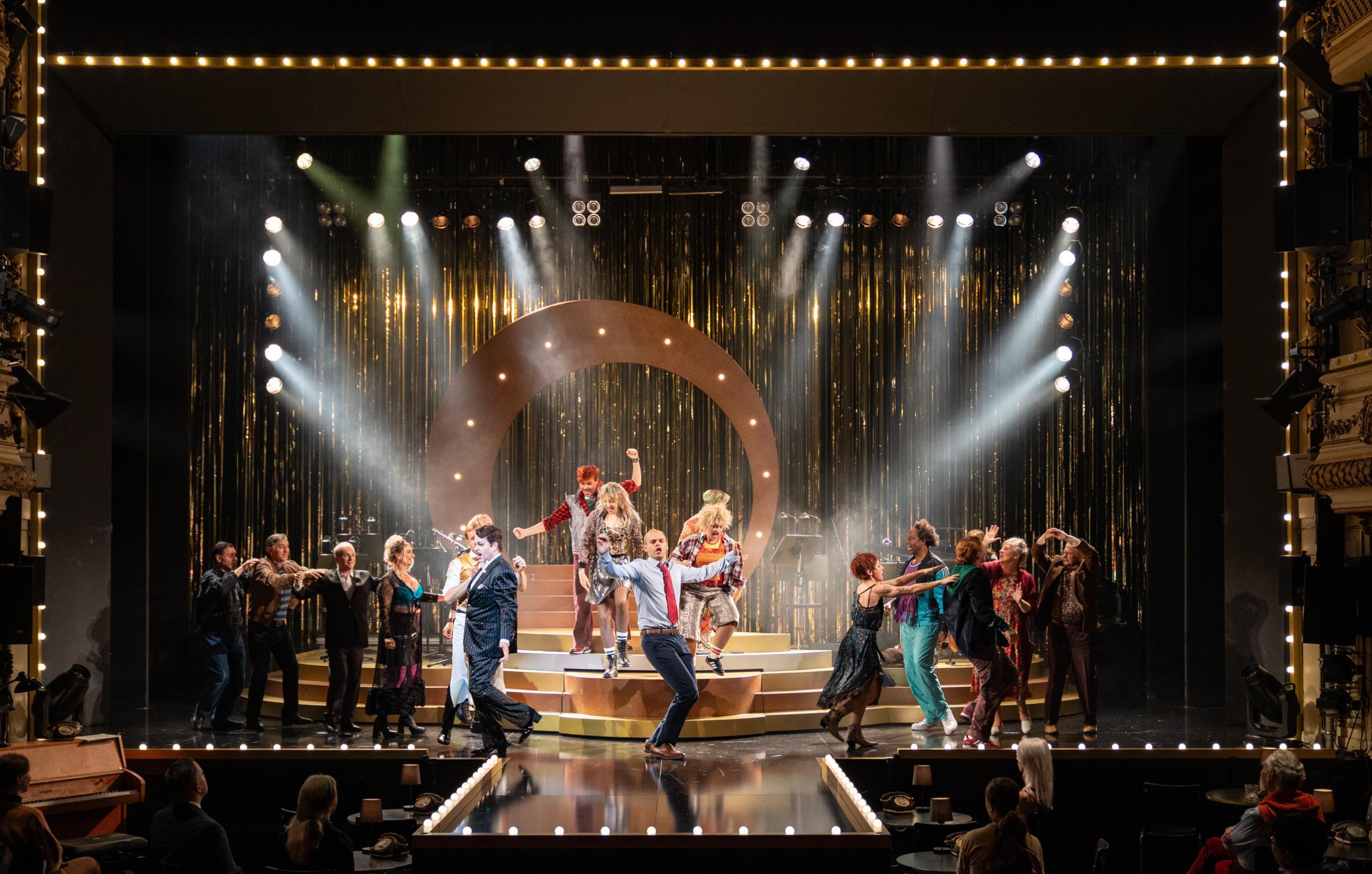
It has been a long-established tradition for many theatres in Germany to place their seasons and the selection of productions for that season under a general heading. For Staatstheater Oldenburg, for example, the heading or motto for 2026/27 is Art and Democracy. Katja Wolff’s production of Cabaret was a major commercial success for the Staatstheater Oldenburg, where it premiered on 26th October 2024, and was revived initially for the 2025/26 and now the 2026/27 seasons, with a total of 35 performances to date. The performance started with an abundance of joyousness, of near-exaggerated party atmosphere and celebratory mood, bordering on the outrageously explicit – all reflecting the kind of Berlin innocent outsider / newcomer Clifford Bradshaw encounters on his arrival in this bustling metropole, and where he finds himself strangely at home and accepted in his bohemian ways. Jule Dohrn-van Rossum’s set was the stage of the conventional KitKat Club; a curtain hid that stage for the other scenes, and some members of the audience were seated in the front area of the stalls that was still meant as part of the Club. The actors used this space as the stage, and sometimes motioned spectators to remove drinks and personal belongings to create space for them to jump onto and stand or sit on those tables. The audience got a good helping of feelgood nostalgia with the fast-moving musical numbers they would probably have seen in previous productions of the musical, and which they know from film and TV.
Such heavy cushioning in the comfortable and familiar was very suddenly disturbed when, seemingly out of nowhere, Ernst Ludwig mentioned “Remigration” as part of the policies of the exciting new political party for Germany. The engagement party for Fräulein Schneider and Herr Schultz ended with a propaganda song, in which several cast members who had entered the auditorium unnoticed through almost every available door, joined the singing, very gently at first, but increasingly off tune, loud and aggressive, accompanying Ernst Ludwig’s threat to Fräulein Schneider not to marry Herr Schultz because he was not German, and Herr Schultz being beaten up. As the many party guests who were also members of the new political party, or followers, or those who did not oppose them openly left the stage, the lights dimmed for the interval. The audience was so stunned by the sudden, unexpected and harsh shift of atmosphere, and the omnipresence of sudden evil, although the plot must have been familiar to them, that there was stunned silence and no applause.
During the interval I overheard this conversation between the two mid-thirties ladies next to me, rendered here, without exaggeration or editing, in translation and from memory:
A: Wow, that was quite something. I had relaxed into an entertaining evening, and then this!
B: What with the elections ahead of us this weekend, where the AfD is likely to win its first majority in Germany!
A: And to think that there must be AfD voters in the audience tonight.
B: Yes, they are already everywhere.
A: And people don’t realise and they don’t listen.
B: And soon we will start wondering with whom we can talk about this, I mean so openly, as I am talking to you now.
A: Yes, then the blacklisting will start and you better shut up.
B: But that is exactly when we will have lost and they will have won.
(long pause)
B: Really worrying!
A: Yes. And theatre is about the only place left where you can say and hear the truth.
The second half of the performance offered the developments of the decline of the KitKat club, the decline and end of the relationship between Clifford and Sally, the rise of the right-wing political party, the breaking-off of the engagement between Fräulein Schneider and Herr Schultz, with more by way of nostalgia and sadness, but more gradual and without alternative, not the sudden shift so seminal in the first half. The audience was heartfelt in its applause. For one actor in particular, there was a striking pattern for that applause. Hagen Bähr had played Ernst Ludwig as an eminently nasty fellow, with an intricate combination of cunning, some fundamental charm if pressed, a very virile, alpha male dominant, masculine behaviour, forthright talking, a high level of aggression, of physical violence, and obvious limitation of his moral and intellectual capacity. When Bähr took his solo curtain call there was a shift from hesitant applause combined with some hissing or hesitant vocal objection against the character, giving way to a brief moment of laughter when spectators realised they were venting their anger against the character at the actor, and how good the actor must have been to trigger this response in them, and the applause became quite intense, with cheers of bravo.
I saw this performance on 3rd September, a few nights before the election in the German federal state of Saxony-Anhalt of 6th September, where the AfD, established by relevant courts in this federal state to be a proven far-right extremist party, scored a landslide victory only three seats short of the absolute majority in the federal state’s parliament – the best result ever in any kind of election since the party was founded in 2013. In this context, the production and its reception were seminal in the political debate promised for the Staatstheater Oldenburg’s 2026/27 season motto, art and democracy.
This post was written by the author in their personal capacity.The opinions expressed in this article are the author’s own and do not reflect the view of The Theatre Times, their staff or collaborators.