


![28th Jul: Private Eyes (2021), 5 Seasons [TV-14] (6/10)](https://occ-0-8167-92.1.nflxso.net/dnm/api/v6/0Qzqdxw-HG1AiOKLWWPsFOUDA2E/AAAABZeRj9wF9pdBAi8atHuCvfCrn9zK2O47o-lTfSoSp9iGgvkmomA6W50Wb4Z0BZt_X_0TVoqr3E75dZlpFrvm8k67u5-IEU2zWT2i_jjwHhPuSL_exRLluTK9J8pN_SgeooqyH_mHhgWMb38GLfnSH5vVQEEAJGPb9DB4F5jfyxb6Fg.jpg?r=12a "28th Jul: Private Eyes (2021), 5 Seasons [TV-14] (6/10)")


See all posts by Diamond and Diamond Lawyers
You’ve been there. Gripping the steering wheel through a chaotic intersection on Lake Shore Boulevard, or dodging unpredictable traffic on Hurontario Street, muttering about whoever approved that road layout. But what happens when a poor lane marking, an overgrown tree, or a badly timed light goes beyond annoying and actually causes a serious collision?
Most people assume the city is untouchable, protected by layers of bureaucracy. That’s not entirely true. Local governments aren’t immune to the consequences of bad infrastructure, and they may actually owe you for medical bills and damages. Understanding your rights matters most when the worst happens on Toronto’s streets.
What the Municipal Act Actually Requires
The City’s Duty to Keep Roads Safe
Under the Municipal Act, 2001, local governments have a legal duty to keep roads, sidewalks, and intersections in a “reasonable state of repair.” In plain terms, the city has to make sure the physical environment doesn’t actively put you in danger. If the infrastructure falls short of basic safety expectations, the municipality is failing its legal obligation.
And this duty goes well beyond filling potholes on the DVP. A state of disrepair can include broken traffic signals swinging in the wind, missing stop signs, sight-obstructing foliage, and confusing road designs that force drivers into risky situations. When a municipality neglects these basics, it opens itself up to civil lawsuits.
Proving the City Knew and Did Nothing
Holding the city accountable under municipal tort law isn’t straightforward. You face a high legal bar, and you’ll need to prove two distinct things.
First, the intersection must have been objectively unsafe at the exact time of the crash. Second, the city must have known (or ought to have known) about the hazard but failed to address it. Think of it like a landlord who knows about a rotting staircase but won’t fix it. If a tenant falls, the landlord is liable. The same logic applies when the City of Toronto gets dozens of complaints about a blind corner and does nothing.
How New Technology Is Shifting the Legal Standard
A Rising Benchmark for Street Safety
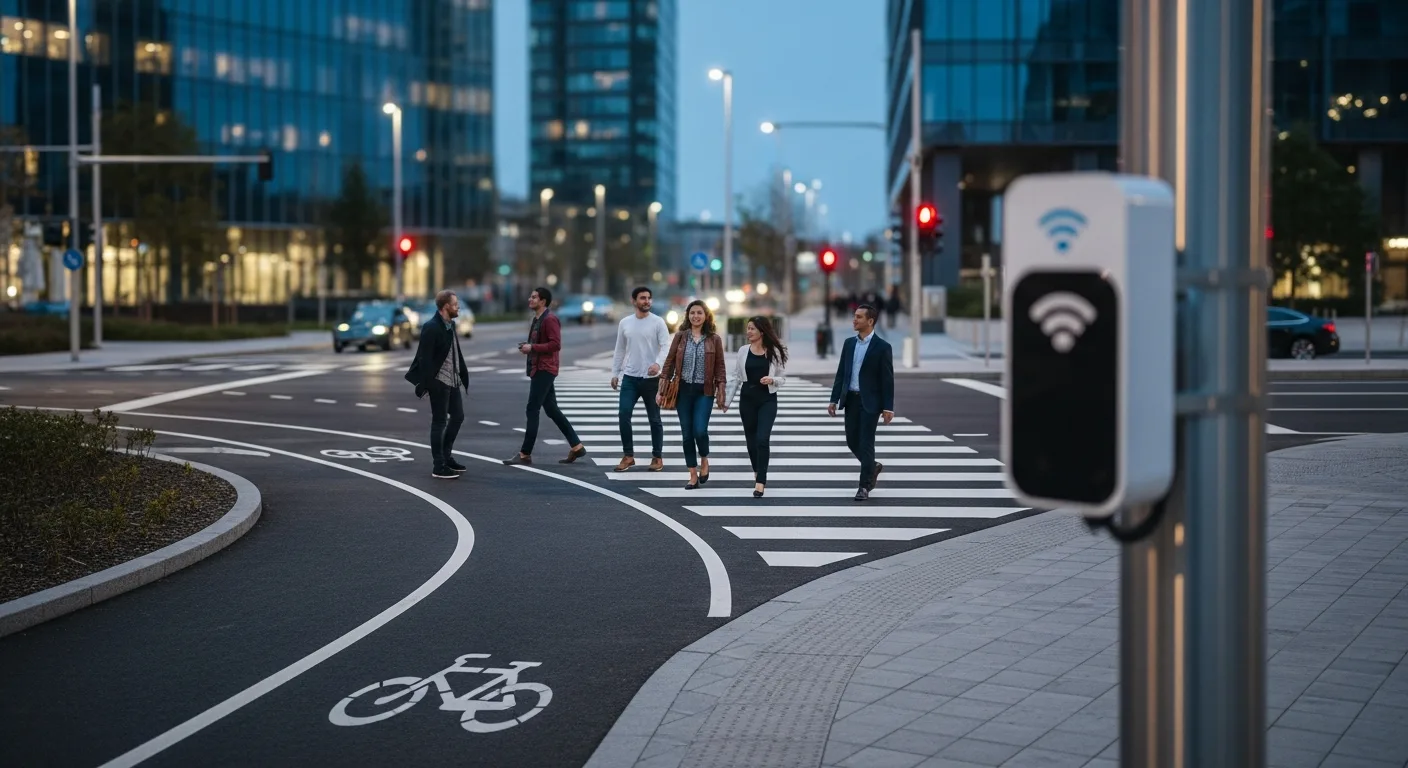
The legal definition of “reasonable” isn’t frozen in the 1990s. As smart city technology becomes commonplace, the baseline for what municipalities should do to prevent crashes keeps rising. Toronto is already deploying AI-controlled traffic lights on Yonge Street to ease gridlock. That tells you the city knows modern safety solutions are available and effective.
Globally, outdated traffic management is a massive financial drain. Gridlock isn’t just frustrating; it’s a known safety hazard. Meanwhile, AI-powered traffic intelligence is helping cities anticipate and prevent collisions before they happen.
What Smarter Intersections Mean for Liability
So what does this actually mean for your legal rights? If a local government fails to upgrade a notoriously dangerous crossing with modern intelligent mobility systems designed to improve signal timing and pedestrian safety, it may be held civilly liable if someone is injured in a foreseeable crash. Cities now have access to tools that connect legacy hardware, real-time cloud data, and advanced traffic AI, letting them spot dangerous patterns and respond instantly rather than waiting for monthly reports.
Recent industry reports confirm that deploying AI video and intelligent telematics systems can reduce preventable accidents by up to 35%. With that kind of data on the table, arguing for “traffic as usual” is no longer an acceptable defense for any municipality. The technology to prevent these tragedies exists, and cities are increasingly expected to use it.
Steps to Take After an Intersection Collision
Beat the Clock and Build Your Case
What should you actually do if you’re injured because of poor municipal infrastructure? The most important thing to know is that the window to hold the city accountable is shockingly brief. You have almost no time to waste.
Here’s the game plan to follow right after a crash:
- Prioritize safety and health: Get medical attention and call emergency services immediately.
- Document the infrastructure failure: Take clear photos of the specific hazard (the obstructed stop sign, broken traffic light, missing lane markings) before you leave the scene.
- Gather witness information: Collect contact details from bystanders who can confirm the hazardous condition at the time of the crash.
- Beat the 10-day notice rule: Officially notify the City Clerk of your intent to pursue a claim within 10 days of the incident, as required by the Municipal Act.
- Talk to a personal injury lawyer: Speak with a lawyer who specifically handles car accident claims and municipal negligence cases to navigate the process of proving the city’s fault.
Pushing for Accountability on Toronto’s Streets
Suing a municipality for negligence is tough. But it’s far from impossible. Knowing your legal rights and understanding how Ontario law applies to infrastructure failures is the first real step toward demanding better from city leaders.
With the rapid rise of AI-driven infrastructure, pleading ignorance simply doesn’t hold up anymore. The technology exists to make Toronto’s streets safer for drivers, cyclists, and pedestrians alike. Holding civic institutions accountable for infrastructure failures is one of the best ways residents can push for life-saving upgrades in their neighborhoods.
If you’ve been hurt at a dangerous intersection or in a collision caused by poor road conditions, the team at Diamond and Diamond Lawyers can help you understand your options. You can reach the firm through a 24/7 hotline at 1-800-567-HURT for a free consultation to discuss your case.
About Jeremy Diamond