



![1st Oct: Insidious: Chapter 3 (2015), 1hr 37m [PG-13] – Streaming Again (6.05/10)](https://occ-0-2433-2430.1.nflxso.net/dnm/api/v6/0Qzqdxw-HG1AiOKLWWPsFOUDA2E/AAAABcDfTQ93yNlG24xdPmSVKqKyYp_762Sjtf2-12hl1aA-e6sal5s6prLVyoh-RdVeuPQawD5hoN8RiaEY5OoL-Cwt3ICby2hNOe_c.jpg?r=1a2 "1st Oct: Insidious: Chapter 3 (2015), 1hr 37m [PG-13] – Streaming Again (6.05/10)")


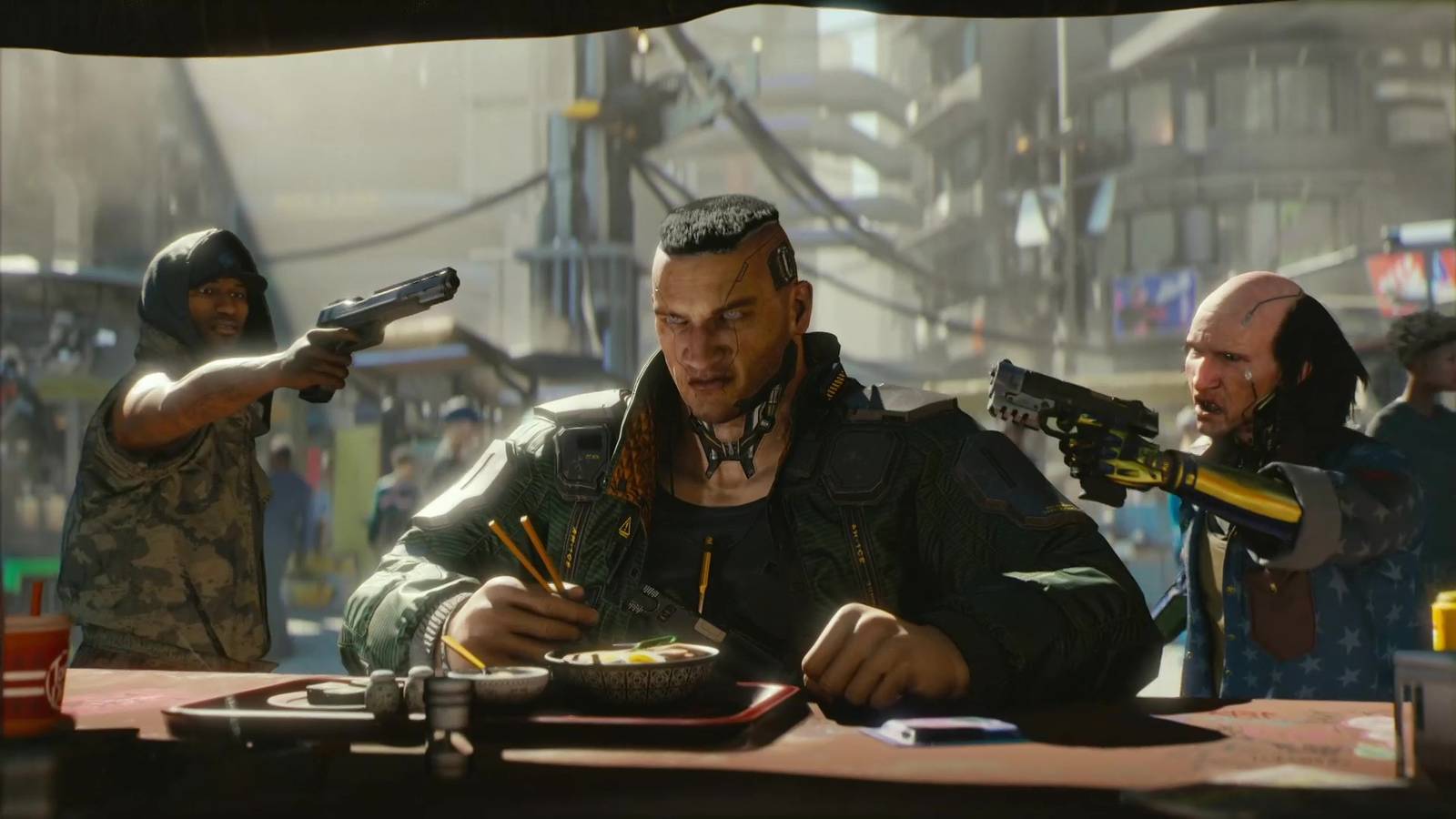
No one sets out to build a flop. Game development costs too much to justify anything but a genuine effort, sometimes at the cost of creative freedom. Even the industry’s true auteurs must eventually answer for their bold decisions. With so many safeguards in place, most games will at least do reasonably well. And with ongoing developer attention, even an early misfire like Cyberpunk 2077 or No Man’s Sky can eventually find massive success.
There have been some big exceptions, though: huge games that failed to find the audience they deserved, or that simply never came together as their developers intended and thus inspired almost no one to purchase or play them. Those games will remain disappointing forever. Here, as a reminder of how difficult the whole business can be, is our list of the 12 biggest gaming flops of all time.
12
The Lord of the Rings: Gollum (2023)
The Lord of the Rings: Gollum was a swing for the fences by publisher and former developer Daedalic Games. Unfortunately, that swing didn’t connect. The game was mocked for faltering in most regards, for having no personality, and for being a buggy mess. Unsurprisingly, sales were as underwhelming as its critical reception. The whole venture went badly enough that Daedalic stepped away from developing games (it had released several successful graphic adventure games in the Deponia series, among numerous other titles) to focus entirely on its talents as a publisher.
11
Babylon’s Fall (2022)


PlatinumGames is generally admired for its work on acclaimed hits such as NieR: Automata, but not every project has met with success. Babylon’s Fall, an action-RPG it built for Square Enix, included enough microtransactions to chase away most players right from the start. It also suffered from bland visuals and sluggish combat that no one expected from the developer of Bayonetta and other lively action-game fare. The team spent months trying to develop a community following its messy launch. Gamestop even gave away free copies. Finally the game got shut down just ahead of its one-year anniversary. It’s no longer offered on any storefronts, and the physical disc some people bought now works best as a coaster.
10
Immortals of Aveum (2023)


Immortals of Aveum racked up some positive previews ahead of its release, but a lot of the positive sentiment evaporated by launch day. Players, including our critic, felt the game didn’t do enough to distinguish itself from games like Call of Duty, even though it replaced traditional weapons with colorful spellcasting. After spending more than $100 million on its development, Electronic Arts had high expectations that weren’t met, which led Ascendant Studios to lay off nearly half its workforce a few weeks after release day. In the game’s defense, it tried to compete with high-profile hits like Baldur’s Gate 3 and Starfield. If it had come out some other time, its shortcomings might not have hurt it nearly as much.
9
Too Human (2008)

To err is human, and Too Human is far from divine. That’s the lesson Microsoft and Silicon Knights learned with the launch of the first in what was meant to be a series of games fusing Norse mythology with science fiction. Microsoft paid a lot of money to fund Too Human’s release on Xbox hardware after a lengthy development period. It must have seemed like a reasonably safe bet at the time, given the studio’s prior success with Eternal Darkness: Sanity’s Requiem. Then Silicon Knights sued Epic Games, accusing the company of providing Unreal Engine 3 in unfinished form. Epic defended itself in court and, during the legal discovery process, discovered that thousands of lines from its tools had been placed directly in Too Human’s code. A judge ordered Silicon Knights to pay Epic millions of dollars in damages. What’s more, the studio was instructed to destroy all unsold physical copies of the game and remove it from storefronts (although Microsoft brought it back later). The same court order applied to unsold copies of the critical dud, X-Men: Destiny, which was released in 2011. Some games flop hard enough to take others down with them.
8
The Callisto Protocol (2022)

Directed by Dead Space co-creator Glen Schofield as his final game before retiring in 2026, The Callisto Protocol is another sci-fi horror experience. Publisher Krafton sank millions to fund its development at Striking Distance Studios, but the game didn’t find the desired audience, largely thanks to linear gameplay that couldn’t match its visual quality. Schofield resigned from the studio soon after the game’s release, and the team explored other options for the world it had created (finally releasing Redacted with some success). The Callisto Protocol’s disappointing launch was a sad end for a game that showed so much promise, and an unfortunate swan song for a developer responsible for so many celebrated past releases at other studios.
7
Forspoken (2023)

Although developed by Luminous Productions for Square Enix, Forspoken was supposed to be one of the best reasons to own a PlayStation 5. It also needed to justify development of the Luminous Engine, which might have underpinned future releases. Originally revealed as Project Athia, Forspoken promised photorealistic worlds the protagonist could explore at high speeds while particle and spell effects lit up her surroundings. Unfortunately, some of the character’s early lines shared in promotional video became a meme, which left some players reluctant to take a chance on an unfamiliar new series. Character interactions in the final release justified those early impressions. The game also suffered from technical issues, such as muddy visuals, that prevented most players from giving its excellent parkour a chance. When sales remained poor, Square Enix disbanded the development team and shifted development on future titles to familiar tech such as Unreal Engine and Unity.
6
Anthem (2019)

At the height of its Mass Effect success, BioWare seemed like a developer that could do no wrong. Then the cracks started showing. Mass Effect Andromeda lacked much of the familiar magic. Players began to wonder if the team had lost its touch. No, PR assured them. First-rate talent was simply hard at work on the next big project: Anthem. After a dazzling E3 reveal in 2018, expectations were sky-high for the new title. When it finally arrived as a live-service game, rather than continuing the company’s tradition of providing fine single-player adventures, it bore little resemblance to the experience players had been promised. A planned updates roadmap might have improved matters, but Electronic Arts canceled it. The game’s servers finally shut down earlier this year, sealing its fate.
5
Marvel’s Avengers (2021)


Crystal Dynamics has developed a lot of terrific titles over the years, but based on the game’s reception at launch, players didn’t feel that Marvel’s Avengers was one of them. It might have delivered a compelling third-person action romp, but it also featured microtransactions that invited players to invest in cosmetic items and battle passes, all on top of the price tag up front. Endgame content was also slight and buggy, thanks in part to COVID-19’s impact on development. Ultimately, the game lost Square Enix buckets of money, and likely contributed to its decision to sell Crystal Dynamics to Embracer Group in 2022. Somewhere along the way, Marvel’s Avengers was pulled from digital stores. If you want to try it now but don’t already own the game, you’ll need to find a physical disc.
4
Redfall (2023)

First introduced in 2021, Redfall excited players with its promise of heroes battling vampires. That concept is reliably good for fun, right up until it isn’t. Despite being developed by Arkane Austin, an experienced team previously responsible for the likes of Prey and Dishonored, Redfall didn’t look much like the surefire hit fans expected. Red flags kept materializing, including the reveal that the game would be locked at 30 frames per second on Xbox Series X. It also would require a persistent online connection to play, even for single-player content. When the title finally launched, it suffered from crashes, awkward controls, and lackluster AI. After enduring the disastrous launch and issuing an apology, Microsoft shut down Arkane Austin in 2024.
3
E.T. (1982)

E.T. is the flop that almost took down the entire console industry. After securing a license to make a game based on the movie of the same name at a cost of $23 million, Atari gave a single developer five weeks to work his magic. Howard Scott Warshaw did what he could, but the result was a game with fiddly controls and unclear objectives that disappointed kids who wanted to just plug and play without reading a manual first. A lot of them thought the game was just the pits, and word spread. The industry was by that point saturated with uninspiring games from a wide variety of sources, with little quality control in evidence. Atari made piles of E.T. cartridges that were expected to sell, but did not. Finally, the company infamously buried millions of them in a desert in New Mexico. Those buried cartridges were unearthed years later, and some of them were then listed on eBay for hundreds of dollars each. Maybe Atari just needed to be patient?