




For American audiences, the musical The Devil Wears Prada, anticipated to premiere on Broadway in 2026, will become the sixth musical theatre creation featuring the music by Sir Elton John, the famous British singer, pianist, and composer.
The musician’s first experience composing music for a musical, The Lion King (1997), brought him fantastic success. You can read more about the creation of this masterpiece by Sir Elton John and Tim Rice in an exclusive interview with Tim Rice here.
Soon, the musical Aida (2000), based on Giuseppe Verdi’s opera of the same name, opened on Broadway. The libretto was written by Linda Woolverton, and the lyrics by Tim Rice. Broadway director Robert Falls and set designer Bob Crowley, along with choreographer Wayne Cilento and the lighting and sound designers, created an epic show that bridged ancient history with modern times.

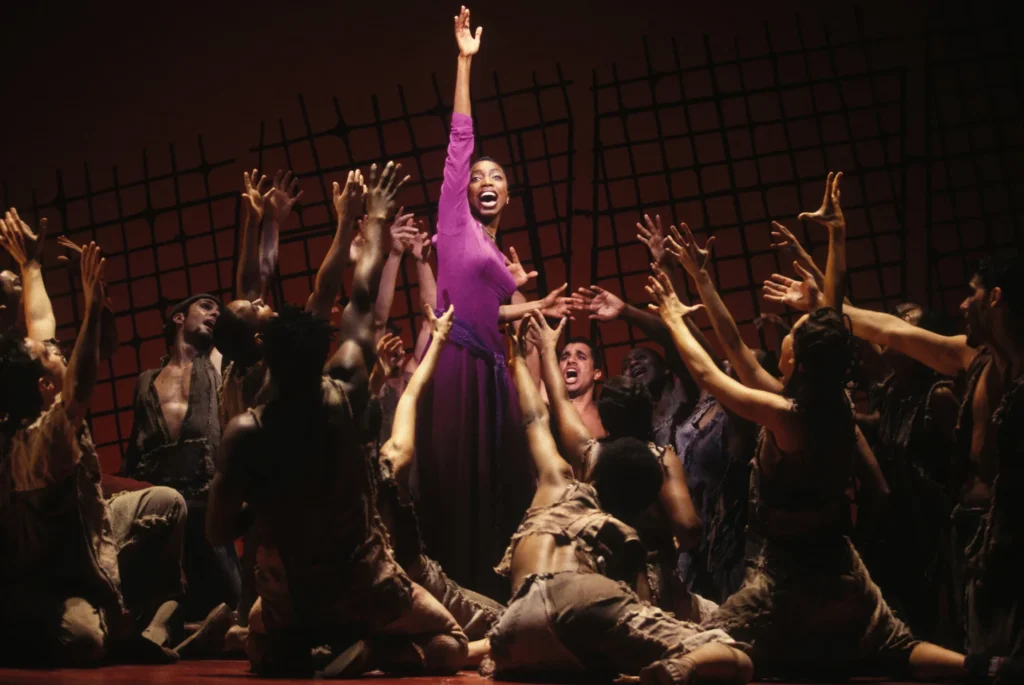
Musical Aida, Original Broadway Cast/ (C) – Heather Headley as Aida, and the Ensemble/ Photo Credit by Joan Marcus
The main characters, a young man and woman, meet by chance in the Egyptian Hall of the museum, where their love story begins. A living statue of the pharaoh Amneris transports them to Ancient Egypt, accompanied by the song “Every Story is a Love Story,” a reprise of which is heard in the finale.
While the opera’s libretto is based on real historical events, the book of the musical is a free interpretation: at the beginning, the young couple are reincarnated as the Nubian princess Aida (Heather Headley) and the Egyptian warrior Radames (Adam Pascal). The song “Every Story is a Love Story,” performed by Amneris, and the main characters’ duets “Written in the Stars,” “Elaborate Lives,” and “Enchantment Passing Through” tell a complex love story born on the banks of the Nile, enduring severe trials, but remaining unshaken despite war and the ill will of tyrants. The musical’s concept album, which preceded its opening, was sure to attract attention, featuring recordings of arias performed by Tina Turner, Janet Jackson, and other celebrities. The original soundtrack for the Broadway production sold half a million copies within its first year of release.
Despite mixed reviews from the critics, the show ran for over four years on Broadway, winning several Tony Awards, including Best Original Score (Elton John, Tim Rice), Best Actress (Aida – Heather Headley), and a Grammy for Best Musical Theatre Album (Elton John, Tim Rice), among other prestigious awards. The musical has been translated into over a dozen languages and has been seen by millions of spectators worldwide. This year marks the 25th anniversary of the Broadway production of Aida, which continues to rank among the top 100 longest-running Broadway shows (currently at number 43).
Elton John continued to work in musical theatre and soon presented his new musical, Billy Elliot (2005), to the London audiences. It was enthusiastically received and, like Aida, boasts a long run: eleven years on the West End. The Broadway premiere took place in 2008, and performances continued until 2012, playing to sold-out houses. Numerous tours also attested to the continued interest of the audiences.
Billy Elliot was one of the first musicals produced “hot on the heels” of the film of the same name, released in 2000. Like the film, the musical was directed by Stephen Daldry and choreographed by Peter Darling. The libretto and lyrics were written by Lee Hall. This critically acclaimed production, which has garnered numerous awards (including ten Tony Awards), celebrates the twentieth anniversary of its West End premiere this year. In addition to its large-scale productions, adaptations for youth organizations (schools, colleges, and studios) have proven very popular. The latter compete against each other: entries from across the UK are judged by a professional jury, with the best honored on the historic stage of the Victoria Palace Theatre, where the original production was performed.
However, the success of the aforementioned musicals failed to secure a warm reception in the United States for the composer’s new work, Lestat: The Musical (2006). Lestat: The Musical, with a book based on The Vampire Chronicles by Anne Rice, a libretto by Linda Woolverton, and lyrics by Bernie Taupin, incurred financial losses and disappointment for the creators and production company, Warner Bros. Only thirty-nine performances took place in New York before the project was closed.
It wasn’t until a decade and a half later that the Almeida Theatre opened its doors to London audiences, hosting the first performances of the musical Tammy Faye (2022), featuring music by Elton John. The premiere was a success, but the London production was plagued by difficulties from the outset, preventing a full run. The show opened on Broadway in October 2024 and closed in early December. This was due to negative media reviews, which contributed to the low box office, along with an unconvincing advertising campaign.

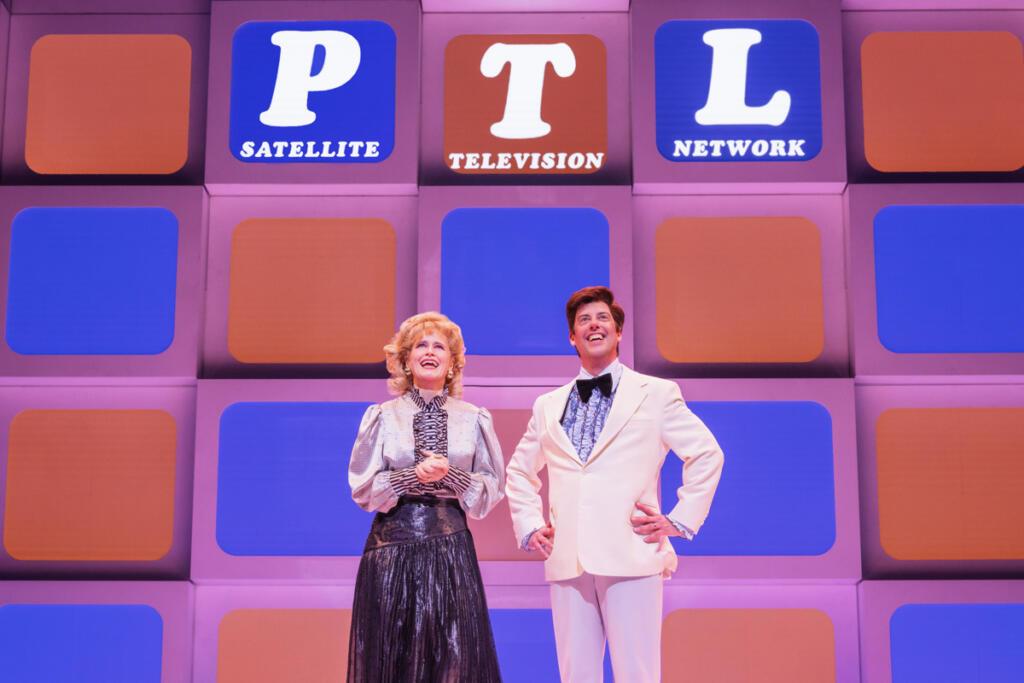
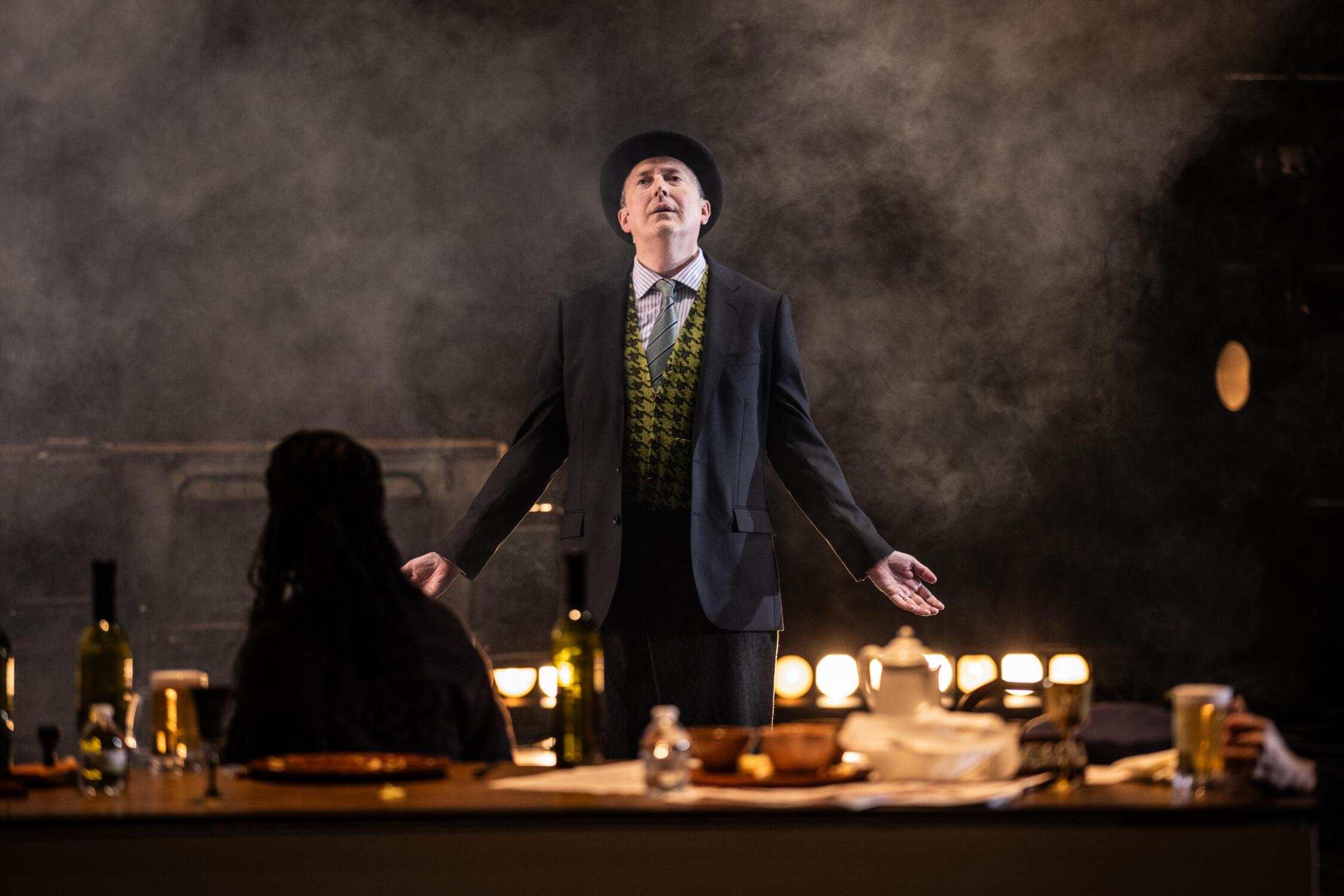
Tammy Faye the Musical, Broadway, 2024/ (L) – Katie Brayben as Tammy Faye Bakker, (R)- Christian Borle as Jim Bakker/ Photo Credit by Matthew Murphy
The musical’s book (by James Graham, lyrics by Jake Shears) is based on the documentary story of the meteoric rise and fall of a televangelist couple: Tammy Faye Bakker and Jim Bakker, who built a powerful business empire over the course of a decade (from the mid-1970s to the mid-1980s). They not only achieved incredible media fame but also experienced the complete collapse of their own lives. The biography of this American couple has already been the subject of both documentary and feature film directors, notably The Eyes of Tammy Faye (2021).
The creators of the musical told it in a way that’s distinct from the film version. Of course, when creating a musical based on a film or TV series, there’s a risk of suffering from comparisons with the original medium. But if it’s done skillfully, there’s usually no question.
Тammy Faye is a boutique musical. The story is told humorously, with elements of satire. The plot focuses on the eternal question of the meaning of life and the elusiveness of the line between faith and greed. The theme of personal “red lines” and the price one pays for success is as relevant today as it was half a century ago. Elton John’s music is relevant to the era in which the drama unfolds. The master’s hand is evident from the Prologue on, and it’s unmistakable.
All eighteen songs reflect either feelings, experiences, hopes (“Look How Far We’ve Fallen,” “If You Came to See Me Cry,” “See You in Heaven”), or are presented as an appeal (“It’s Light of the World,” “Satellite of God,” “He’s Inside Me,” “Empty Hands,” “God’s House”), addressed to the TV viewer as a participant in the show.
The choreography (by Lynne Page), while seemingly “old-fashioned” and overly simple at first glance, fits into the plot’s time-space continuum and drives the action. The set design (Bunny Christie), lighting design (Neil Austin), and video design (Finn Ross) create a harmonious environment for the main characters without excessive set design in its traditional sense. The minimalist set doesn’t prevent spectators from feeling like they’re in a TV studio during a live broadcast or in the workspaces where the lives of the main characters—Tammy Faye Bakker (Katie Brayben), Jim Bakker (Christian Borle), and Jerry Falwell (Michael Cerveris)—are concentrated. The lead actors created memorable performances, especially Katie Brayben, who also shone in the London production. As for the jokes, which earned the writers special criticism, it’s a matter of taste. It’s surprising that, given today’s professed loyalty and tolerance, the innocuous line from Jerry Falwell’s song, “I’ve been sent by my creator to make my country greater,” could seriously offend anyone.
The musical Tammy Faye is a wonderful achievement by the creative team, whose goal was to create a musical based on the film, not an in-depth analysis of the legendary PTL Club host’s biography. And this goal was successfully achieved: a smart, funny, and informative production with wonderful songs by Elton John and Jake Shears has emerged. Songs like “He’s Inside Me” and “In My Prime Time” are memorable and stay with audiences for a long time, as does the overall positive aftertaste. It’s a shame the show closed quickly, and potential viewers, believing the negative reviews, never actually saw it.

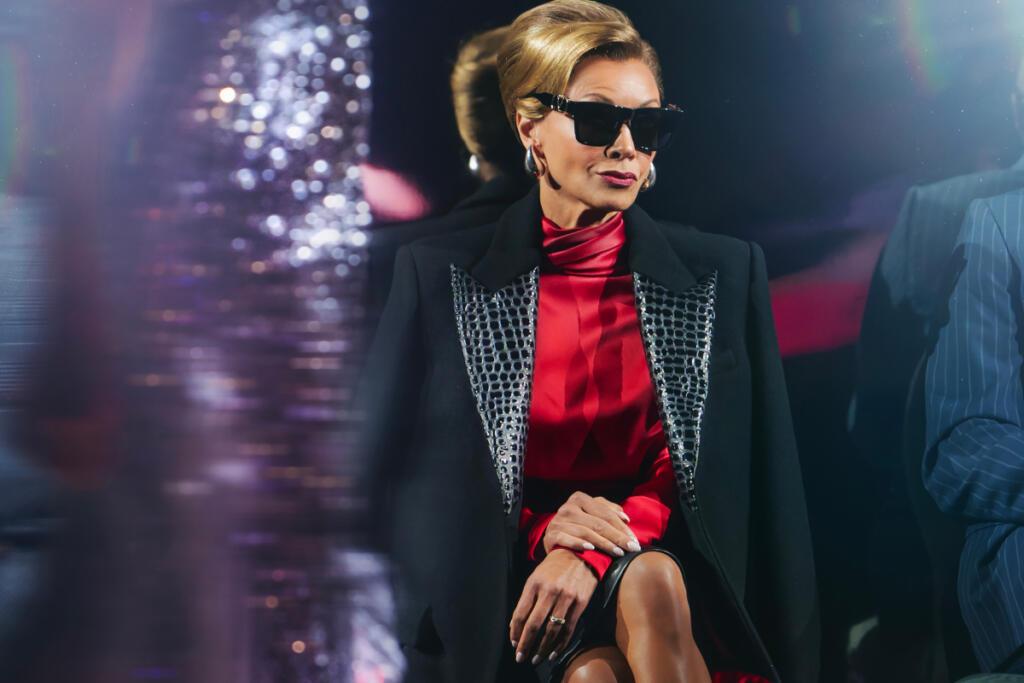
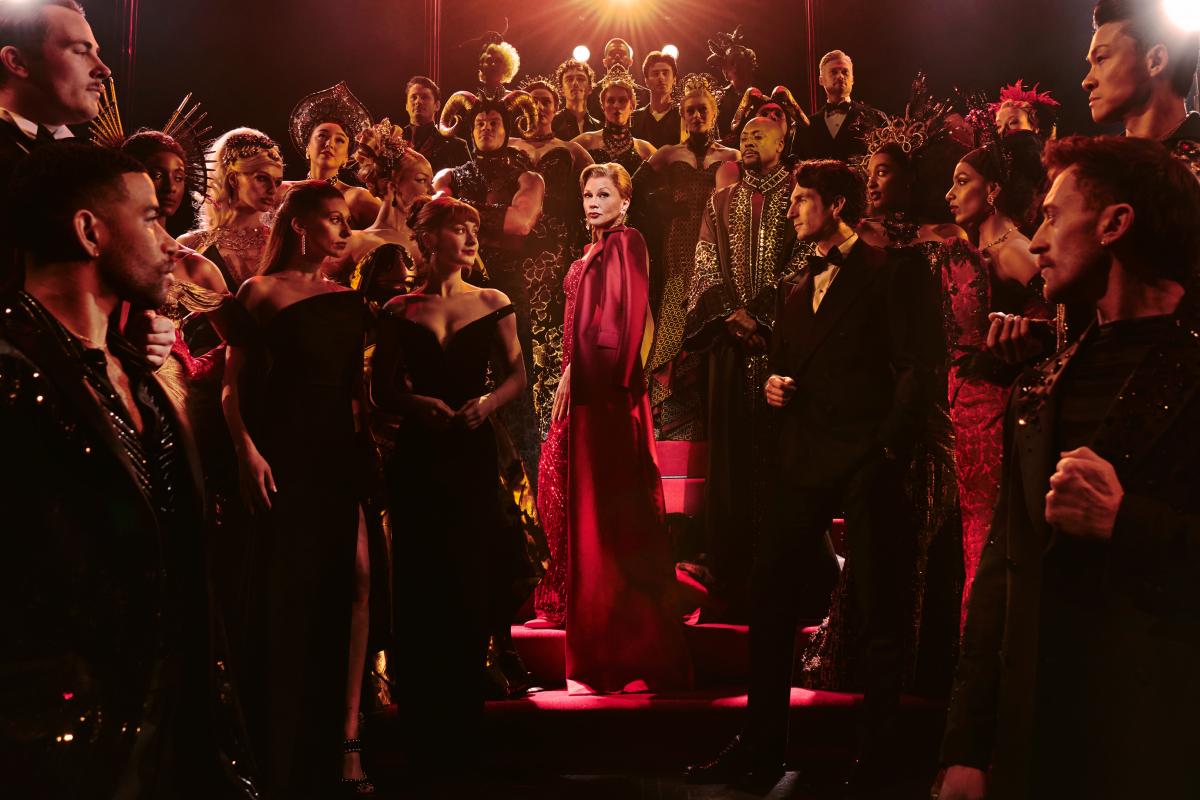
The Devil Wears Prada Musical, West End, 2025/ (C) – Vanessa Williams as Miranda Priestly/ Photo Credit by Matt Crockett
Another musical version of the famous film The Devil Wears Prada (2006), directed by David Frankel and featuring music by Elton John, premiered in London in 2024. The Broadway premiere of The Devil Wears Prada is scheduled for early 2026. The show’s main strength lies in the directors’ unique achievement: despite the similarities between the film and the musical, there’s no compelling reason to compare them. It’s the same story but told through a variety of expressive means. Those who haven’t read the book or seen the movie will be immersed in a new, brutal world of competition and human meanness, the price of success in the world of fashion and glamour at the end of the last century. Those familiar with the story of Andy Sachs, who got a job at the fashion magazine Runway and was forced to survive in an alien environment, will be able to experience fashion at its best and enjoy amazing choreography (by Jerry Mitchell), so in tune with the modern world of fashion and modeling. Viewers are in for another important discovery: a window into the past, revealed through the history of fashion and the career ambitions of a female editor at one of the leading magazines, Runway. Why were fashion and glossy magazines so enticingly attractive back then, at the turn of the century? Because they symbolized the pinnacle of success. Vogue, Harper’s Bazaar, Cosmopolitan, and other glossy fashion magazines set trends, featuring celebrities on their covers, boosting their ratings, and repeatedly emphasizing that the most important things in life are status and power. And for that, one comes to the Devil. Today, the Devil has changed, winking at us from social media and online messengers with enhanced features. The Devil has different algorithms for achieving success. Likes, views, and follower counts have become the new status symbols. In the early 2000s, fashion was dictated by clothing. Today, through lifestyle. The musical The Devil Wears Prada makes us reflect on the cultural differences between eras separated by just a quarter of a century – isn’t this the highest praise for the creators, who managed to go beyond the literary source and the film script?
Now, a little about the music. The film’s score, composed by Theodore Shapiro, also features a few songs by such renowned artists as Madonna (“Jump,” “Vouge”), U2 (“City of Blinding Lights”), Moby (“Beautiful”), Jamiroquai (“Seven Days in Sunny June”), Alanis Morissette (“Crazy”), The Push Stars (“Every Angel”), and others. At certain points in the film, these songs serve as background music, helping to reveal the emotional state of the main characters. Most of these songs were included on the album of the same name, released in 2006 (Music from the Motion Pictures).
All eighteen songs that make up the soundtrack of the musical The Devil Wears Prada, as befits a musical, serve to help develop the storyline, reveal the characters’ personalities, convey their thoughts, emotions, and memories, and drive the narrative. And they are all incredibly good, making you want to listen to them over and over again. The recent release of The Devil Wears Prada: A New Musical (Original West End Cast Recording), in September 2025, not only confirms this but also reveals another surprising quality: the more you listen to the tracks, the more you want to re-listen. The album also includes two bonus tracks performed by the composer himself: “I Mean Business” and “The Devil Wears Prada.” The songs “House of Miranda” and “In or Out” are the constant heartbeat of the musical, creating the unforgettable atmosphere of the world at Runway.
Vanessa Williams’s Miranda Priestly will not disappoint. The image of her emerging from beneath the stage evokes the image of the devil rising from the underworld. The actress successfully crafted a cohesive and multifaceted image of the “Iron Lady,” whose exactingness and unscrupulousness are the foundation of her success in the fashion industry. Amy Di Bartolomeo’s excellent portrayal of Emily, Miranda’s senior assistant and Andy’s immediate superior, is also noteworthy. Matt Henry’s Nigel was undoubtedly the highlight of the production. Georgie Buckland as Andy was a bit lost among such experienced colleagues, but her West End debut can still be considered a success.

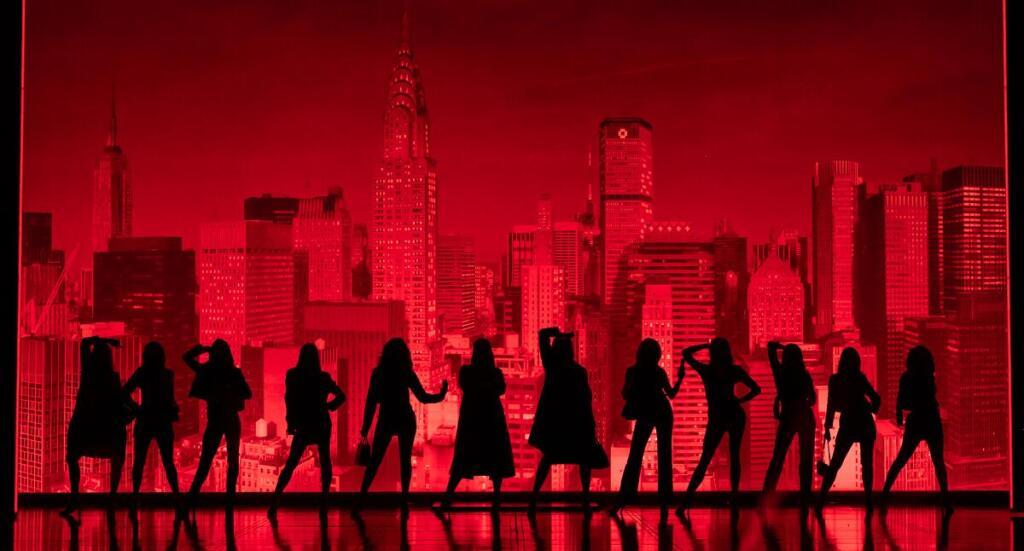
The Devil Wears Prada Musical, West End, 2025/ Ensemble / Photo Credit by Matt Crockett
Twenty years after the release of the celebrated film starring Meryl Streep as Miranda Priestly and Anne Hathaway as Andy, a young team—book by Kate Wetherhead, lyrics by Shaina Taub and Mark Sonnenblick, led by Elton John and Jerry Mitchell—has created a new media form for the well-known story from Lauren Weisberger’s novel of the same name. And they’ve done it at the highest professional level. There was no intention of reinterpreting the literary work or competing with the film adaptation. “The Devil Wears Prada is one of my favorite films. I’ve loved it since it came out…I love the characters, the storyline, and the fashion!…Fashion and music go together so well!” says Elton John. The production is undoubtedly worthy of the attention of the most discerning musical theatre lovers.
It embodies everything that today’s musical shows demand: a well-told, relevant story that continues into the present day, beautiful and elegant costumes (Gregg Barnes), impeccable set design (Tim Hatley), superb performances from actors demonstrating a high level of vocal and acting skills, and excellent music. And then there’s the fashionable immersive element: upon entering the Dominion Theatre, the audience members walk the red carpet, instantly entering the glamorous world of the Runway magazine. Come get your picture taken on the red carpet!
To summarize this brief analysis of Sir Elton John’s musical theatre works, let’s remember that three of his six musicals are among the 100 longest-running Broadway shows: The Lion King, Aida, and Billy Elliot. This allows us not only to offer clichés about the composer’s outstanding contribution to this form of musical art but also to once again draw attention to his new show, The Devil Wears Prada,which is worth a visit for at least one reason: the composer lovingly created its rousing music. “I’m always looking forward, never backward, so it absolutely had to be a modern, contemporary score,” says Elton John.
Sir Elton John’s contribution to global culture has been duly recognized with the highest accolades, including an Oscar for Best Original Song from The Lion King and a Tony and Grammy for his score to Aida. In 2024, he won an Emmy Award, becoming one of the rare recipients of the EGOT title.
This post was written by the author in their personal capacity.The opinions expressed in this article are the author’s own and do not reflect the view of The Theatre Times, their staff or collaborators.
This post was written by Lisa Monde.
The views expressed here belong to the author and do not necessarily reflect our views and opinions.