





![2nd Jan: After the Quake (2025), 2hr 13m [TV-14] (6/10)](https://occ-0-961-1007.1.nflxso.net/dnm/api/v6/Qs00mKCpRvrkl3HZAN5KwEL1kpE/AAAABWit5YkW5CgJLXwXhHRsgIcyC5wcLdQDzPBwnIQ66DE5_vZ-65ZKAmRmCoKpH1-Hidc3MRHpinwZfUWFXd3i6TdbFVpbrdKfdUV4Byar0a3Ac0nsKcTeX56izUMEJr842ViP47T3J9mZ0p2ak7di22AvewndqGmVfEtSCdiOo4F7eQ.jpg?r=40b "2nd Jan: After the Quake (2025), 2hr 13m [TV-14] (6/10)")




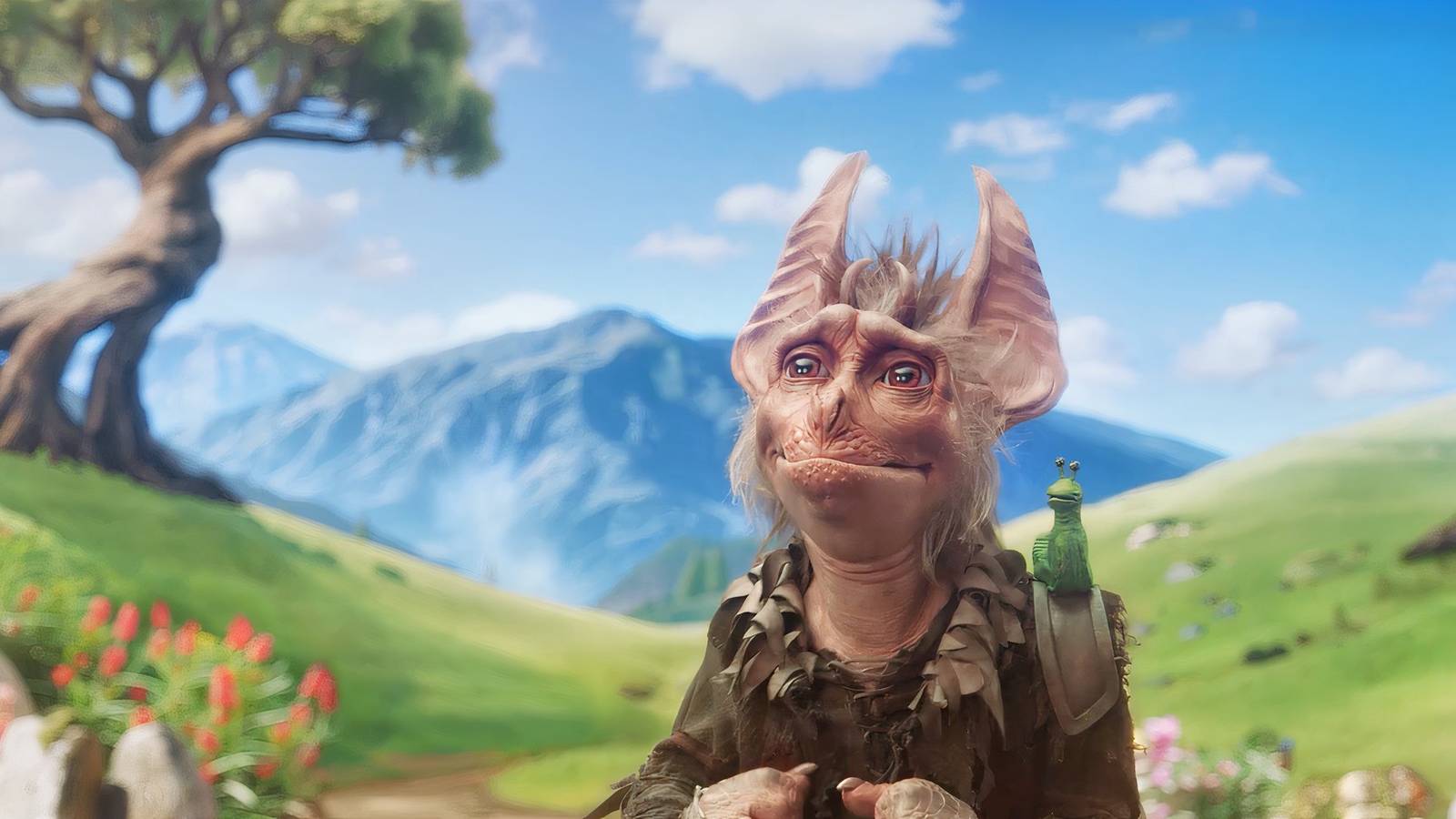
Later this month, Magic: The Gathering returns to one of its most novel and beloved fantasy worlds with Lorwyn Eclipsed. To celebrate the new set’s world reveal on Jan. 5, Polygon can exclusively reveal that Wizards of the Coast has partnered with an unexpected yet perfect collaborator: The Jim Henson Company. On Monday, the puppet masters over at The Jim Henson Company will reveal a short film set in Lorwyn-Shadowmoor starring handcrafted puppets. But before that, take a look at a 3-minute mini-documentary about its development shared by Wizards of the Coast.
The video offers a peek behind the curtain at how the various designers at Jim Henson’s Creature Shop handcrafted unique Lorwyn-Shadowmoor characters and creatures for the production, along with a look at the production itself. Members of The Jim Henson Company, including Brian Henson, walk through how the upcoming short was conceived and built, from early story pitches to puppet design, fabrication and performance.
In a video call, Brian Henson also explained to Polygon how the connection between The Henson Company’s artistic style and that of Lorwyn Eclipsed was immediate.
“We are a world-building company,” Henson said. “The worlds of Lorwyn and Shadowmoor are relatives to Labyrinth and The Dark Crystal. Working inside fantasy worlds is our favorite place to be.”
Lorwyn is the whimsical land of never-ending sunshine whereas Shadowmoor is its dark mirror, with the two sides flipping as part of a cycle and transforming its residents into their alternate selves as part of the process. The upcoming Magic set will explore this duality through card game mechanics, and the creatures living in Lorwyn-Shadowmoor make puppets a perfect match. There are halfling-sized Kithkin, goblin-like Boggarts, Treefolk, Giants, and more creatures inspired by Celtic folklore. Even the elves have horns and cloven feet. With their wide, short heads, a Kithkin could easily be mistaken for a Gelfling from Dark Crystal.
This shared DNA goes even deeper. Henson pointed to a mutual respect for visible artistry between the two companies. Magic’s identity, after all, is rooted in hand-painted card art and individual artistic interpretation, values that Henson said align closely with the Henson Company’s practical, performance-driven approach to puppets. Henson said that fantasy loses something when it becomes too slick, arguing that puppets and practical effects let audiences suspend disbelief while still appreciating the artists behind the work.
That philosophy resonated strongly with Wizards’ Lorwyn team, particularly art director Deborah Garcia, who admitted the idea felt almost unreal when it first surfaced.
“Early in development, we always ask ourselves, ‘What’s the dream trailer?’” Garcia said. “I joked about the Henson Company being that dream. I never actually thought it would happen.”
Lorwyn’s setting helped turn that dream into something tangible. Unlike many Magic planes, Lorwyn and Shadowmoor are entirely inhuman worlds — populated by goblins, elves, faeries, and stranger things — leaving ample room for exaggerated forms, textures, and expressions that feel right at home in puppetry.
“There are no humans on this plane,” Garcia explained. “That gives you so much freedom to fabricate creatures without worrying about human realism. Lorwyn already feels tactile, folkloric, and emotional.”
For Neale LaPlante Johnson, the worldbuilding lead on Lorwyn Eclipsed, seeing that tactile fantasy realized physically made the project feel real far earlier than usual.
“You work on a set for years, and it doesn’t feel real until players have the cards,” Johnson said. “Seeing these characters built, held, and performed? It felt like someone else had stepped into the world we made. That was incredibly validating.”


That sense of physicality wasn’t incidental. Both Wizards and the Henson team emphasized the importance of texture, traditional materials, and visible craft throughout the process, a deliberate callback to Lorwyn’s original art direction and its reputation as one of Magic’s most visually distinctive planes.
“Lorwyn is dear to a lot of players,” Garcia said. “For some, it was their first set. The art is closely tied to that memory, and we wanted to honor it without freezing it in time.”
The result, according to everyone involved, is something that doesn’t just promote Lorwyn Eclipsed, but reflects what makes the plane special in the first place: whimsy without softness and darkness without edge-lord grit. It’s an inviting reminder of why puppet classics like Dark Crystal remain so beloved even today. There’s something almost uncanny about the design that draws the eye, but these puppets wind up looking more enchanting than they do disturbing.
“If you just try to be cute, like kids’ toys, it’s not going to be entertaining,” Henson said. “It’s not as interesting a character. You need that slight weirdness, that slight quirkiness, that slight unexpected what-does-it-mean-ness.”
Both Lorwyn and classic dark fantasy puppets from The Jim Henson company have that same je ne sais quoi that truly makes seeing Magic puppets such a delight.
Lorwyn Eclipsed releases Jan. 23, with prerelease events beginning Jan. 16. Watch the set’s debut — and The Jim Henson Company’s short film — on Monday, Jan. 5 starting at 1 p.m. EST on YouTube or Twitch.


![2nd Jan: Godzilla (2014), 2hr 3m [PG-13] – Streaming Again (6.2/10)](https://occ-0-19-90.1.nflxso.net/dnm/api/v6/Qs00mKCpRvrkl3HZAN5KwEL1kpE/AAAABde8z4cWPDfha891WRWFxTD3DsoU7igfBlQxmSPG-qquS9iZp5GhE-vNMomRuROnWHFbAN06G1DR8QRHvFOZRIYdFKjtUDsl3eax.jpg?r=c0a "2nd Jan: Godzilla (2014), 2hr 3m [PG-13] – Streaming Again (6.2/10)")
