![25th Aug: Stamptown (2026), 1hr [TV-MA] (6/10)](https://occ-0-487-92.1.nflxso.net/dnm/api/v6/0Qzqdxw-HG1AiOKLWWPsFOUDA2E/AAAABb6QBNbZQjhdx6TubN2hKnO9zzKxSPrXQpxDNhC0TYTSaRJmVgx13WGCEhICA5N9K6qZ3Ulejho5yFA0FPU4G4RA6GHTN2yl-9j3RIr67gzl5Q2fsDxHHGP31oND2GhzXlGpamfzXUZPKefzLL0ewnCXBzSOqldKsDCyNYKUIpOjvA.jpg?r=8e2 "25th Aug: Stamptown (2026), 1hr [TV-MA] (6/10)")
-0-1280-0-720-crop-fill.jpg?k=42ec0aedba "our most anticipated autumn film festival premieres • Journal • A Magazine • , Life in canada")



A while ago, I made a foolhardy bet with a friend: I bet that Christopher Nolan’s The Odyssey would make more money than Avengers: Doomsday at the global box office. I think I’m going to lose that bet. (Apart from anything else, I forgot that China loves Avengers movies.) But I think I’m going to win the argument.
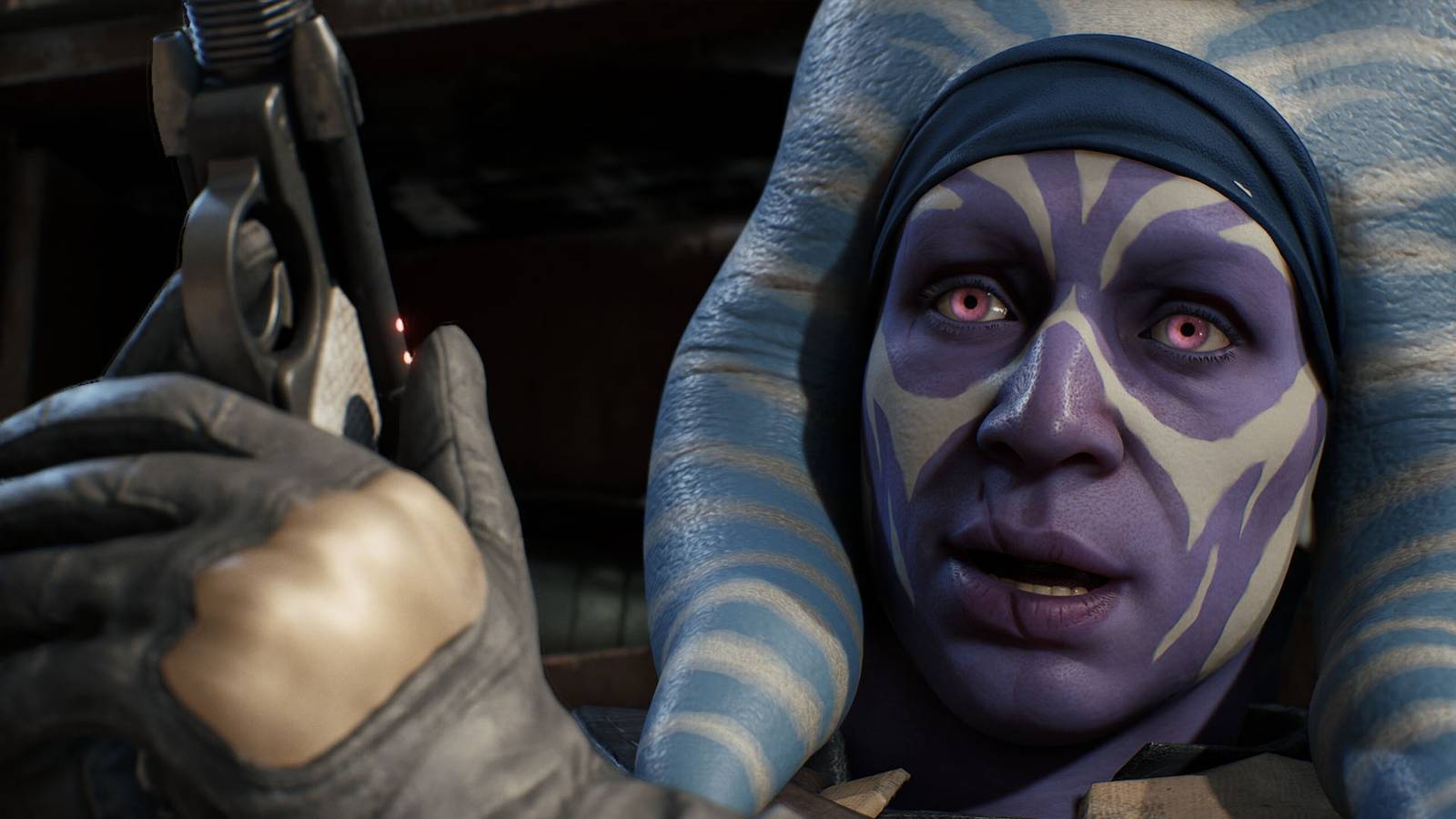
Film culture has changed tremendously since the last Avengers movie, Endgame, in 2019. The pandemic, the streaming bubble, too much TV, too much Marvel — the superhero industrial complex has, if not collapsed, certainly slumped. Until this week, there have been zero Star Wars movies. There was an unprecedented crisis in theatrical distribution that we are still slowly crawling back out of. It feels like movie culture is forming back into something, but it’s going to look quite different to what it was before.
In the midst of all this, the franchise blockbuster machine churned on. The products still work; of course they do. A new Jurassic World or Fast and Furious movie might not make a billion dollars any more, but it will get close. But the Marvel-inspired quest to build out huge, self-sustaining story universes no longer dominates moviegoing culture. These films can still draw massive audiences, but they operate in bubbles — albeit huge bubbles — that, from the outside, appear sealed shut. Nothing leaks out. When did you last hear someone outside the Marvel fan community talk about something that happened in a Marvel movie?
In the meantime, all sorts of different stuff has been breaking through. Movies based on video games (A Minecraft Movie, The Super Mario Bros. Movie). Family movies (Zootopia 2, Lilo & Stitch). Weapons-grade nostalgia that somehow outgrows its inspiration (Top Gun: Maverick). Musicals (Wicked). Original horror movies made at scale (Sinners, Weapons). Barbie! Branding and intellectual property still play a huge part, but beyond that, the only consistency is inconsistency. Audiences are looking for anything that’s different, anything that feels new (or old made new again), anything that will break the franchise flow.
Into this semi-unpredictable, febrile atmosphere steps Christopher Nolan. Nolan is the only director with a name brand that operates at blockbuster scale in the current climate; even Steven Spielberg hasn’t cut it for a while. (We’ll see if that changes when Disclosure Day comes out.) Nolan can sell anything on the premise that it’s a Christopher Nolan movie: a war procedural about the Dunkirk landings, a completely baffling backwards spy thriller, a three-hour biopic about an atomic scientist. Oppenheimer made $975 million (admittedly with an assist from Barbie). That would have been unthinkable during Marvel’s hegemony.
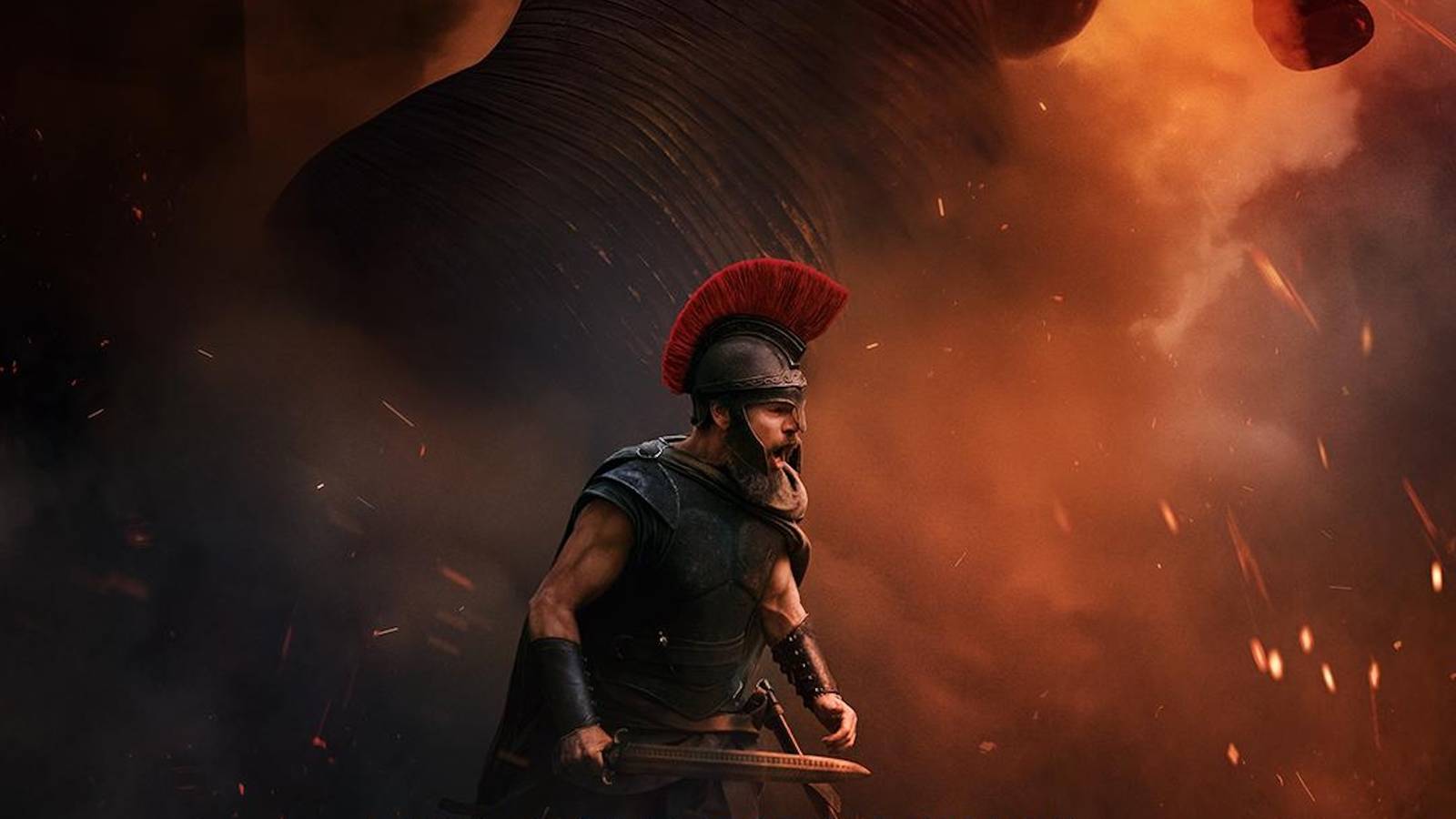
A Nolan movie is the perfect answer for the desires of the post-pandemic film audience. It promises something you have never seen before, but you can trust how it will make you feel. And now he’s tackling The Odyssey. Homer’s epic poem is pregnant with emotion and spectacle and encompasses a deep-rooted mythology — the deepest — of gods and monsters. Yet it’s also a blank slate of sorts for Nolan’s art. Nobody owns the rights to Odysseus’ costume design. Nolan can decide how every bit of it looks and sounds, how every effect is constructed and rendered. It’s epic but deeply personalized.
The Odyssey is an ideal match for the imaginations of moviegoers energized by films like Ryan Coogler’s Sinners. This is not to say that it will definitely work. Trailers have stirred plenty of debate, from the historical authenticity of the armor to the dialect and word choice used by the characters. But in a way, this proves my point: Nolan’s aesthetic choices are already vibrating in the culture. The movie is a live wire. People have opinions about how The Odyssey should look and feel, and there’s friction between those opinions and the taste of our most ambitious commercial film artist. Just looking at footage from The Odyssey is an event — as opposed to, say, Spider-Man: Brand New Day, which may well be great, but which just looks like a Spider-Man movie.
The Odyssey‘s cultural blast radius will be amplified by its absurdly famous cast, which includes Zendaya, Tom Holland, Robert Pattinson, Matt Damon, Anne Hathaway, and Charlize Theron. Nolan still looms large over them all. He has top billing; he is this movie’s Marvel logo.
The Odyssey can’t shock the world the way Oppenheimer did. Its inherent bigness and adventuresome premise makes it a much less unlikely blockbuster. Doomsday, Brand New Day, and Toy Story 5 will probably all be seen by more people. But no other movie this summer — this year — is going to hit like a cultural meteorite, and is going to demand to be seen, in quite the same way as Chrisopher Nolan’s latest reckoning with forces that control us all.