





McGill University just got handed a reality check on the world stage.
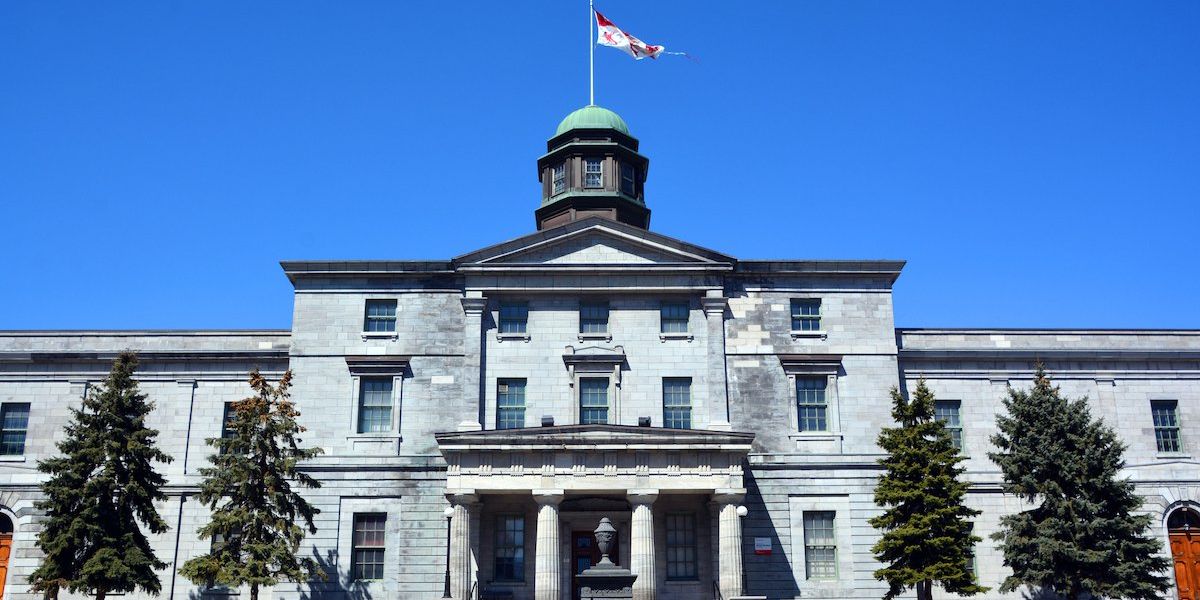
TIME and Statista released their 2026 ranking of the world’s top universities this week, and McGill’s performance is pretty rough. The Montreal school landed at 154th overall, putting it way behind its Canadian rivals and nowhere near the top 100.
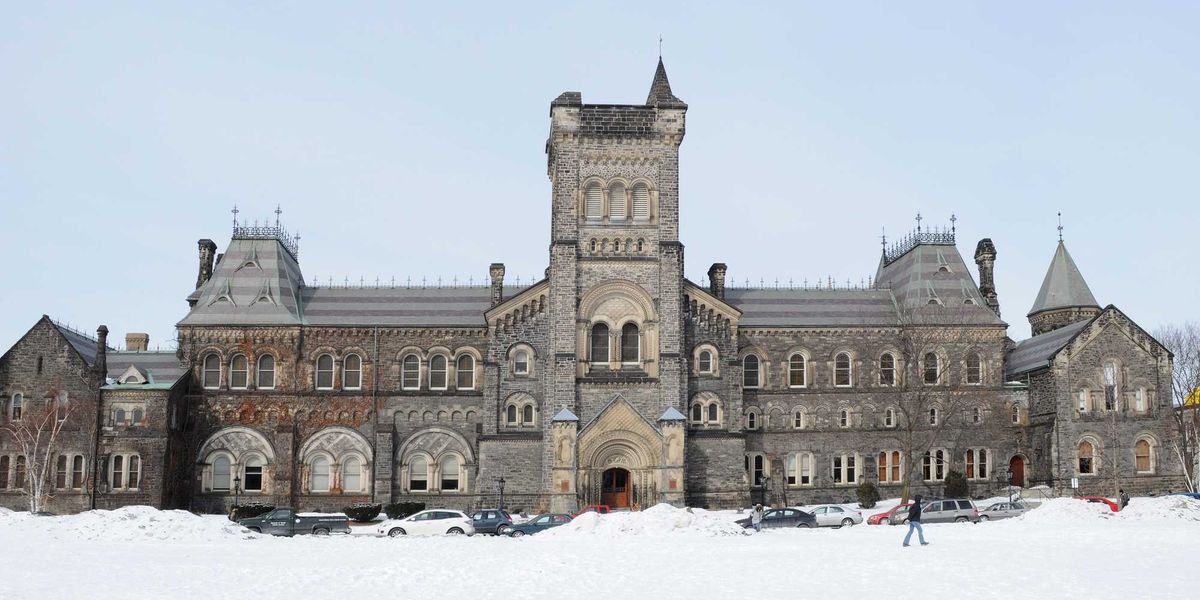
For context, the University of Toronto came in at 24th globally. The University of British Columbia landed at 33rd. Even the University of Alberta (73rd), McMaster (90th), and the University of Calgary (95th) all ranked significantly higher than McGill.
It’s one thing to fall behind U of T, but McGill was lapped by schools most people outside Canada have never heard of.
How McGill stacked up against Canadian schools
The gap between McGill and other Canadian universities in this ranking is striking.
Here’s where Canadian schools landed in TIME’s global list:
- University of Toronto: 24th
- University of British Columbia: 33rd
- University of Alberta: 73rd
- McMaster University: 90th
- University of Calgary: 95th
- University of Manitoba: 136th
- University of Waterloo: 148th
- McGill University: 154th
- Université de Montréal: 169th
- University of Saskatchewan: 175th
- Simon Fraser University: 187th
- Laval University: 202nd
- University of Victoria: 215th
- University of New Brunswick: 266th
- Western University: 271st
- University of Guelph: 289th
- Memorial University of Newfoundland: 295th
- Dalhousie University: 354th
- Queen’s University: 372nd
- Carleton University: 387th
- University of Regina: 415th
- University of Windsor: 427th
- University of Ottawa: 447th
- Lakehead University: 464th
- Brock University: 471st
To put this in perspective: U of T is 130 spots ahead of McGill. UBC is 121 spots ahead. Even Waterloo, known more for its co-op program than global prestige, ranked higher.
What this ranking actually measures
TIME’s methodology focuses heavily on real-world impact and student outcomes after graduation.
The ranking evaluates universities based on three main categories: academic reputation and research capacity, innovation and economic impact (including patents, startups, and contributions to industry), and global engagement.
McGill’s total score came in at 56.63 out of 100. The school’s strongest category was global engagement (68.46), which makes sense given its international student population. But it scored just 51.84 in academic reputation and capacity.
For comparison, U of T scored 75.78 overall, with particularly strong marks in innovation and economic impact (80.64). UBC scored 71.56 overall and absolutely dominated the innovation category with a score of 85.36.
The ranking places heavy emphasis on whether students go on to achieve “extraordinary success” in areas like patenting inventions, rising to leadership roles in business, or making significant contributions to their fields.
By that measure, McGill’s not keeping pace with top Canadian schools.
How this compares to other recent rankings
This isn’t the first time McGill has been outranked by Canadian rivals, but the gap in TIME’s list is particularly wide.
Just a few weeks ago, CourseCompare released its 2026 ranking of Canada’s best universities, and McGill came in second place behind U of T. That ranking focused specifically on career readiness and job placement.
The TIME ranking also revealed some uncomfortable truths about elite universities globally. The article accompanying the rankings noted that top schools are overwhelmingly accessible to students from wealthy families, with more than 15% of students at America’s Ivy-Plus colleges coming from families in the top 1% of earners.
Where McGill still has strengths
To be fair, McGill remains a respected research institution with particular strengths in neuroscience, medicine, and climate science.
The school has a $1.9 billion endowment, attracts students from 150 countries, and maintains a 16:1 student-teacher ratio that’s significantly better than U of T’s 30:1 ratio.
McGill also scored highest among all Canadian schools in the global engagement category (68.46), reflecting its international reputation and diverse student body.
But when it comes to the metrics like innovation, economic impact, and producing graduates who achieve extraordinary success, McGill’s simply not competing at the same level as Canada’s top schools.
In case you’re curious, here’s how the global top 10 rounded out:
- University of Oxford (UK)
- Yale University (US)
- Stanford University (US)
- Massachusetts Institute of Technology (US)
- The University of Chicago (US)
- Harvard University (US)
- University of Cambridge (UK)
- Imperial College London (UK)
- University of Michigan (US)
- University of Pennsylvania (US)