![6th Oct: EMoMee – Playtime Explorers (2026), 12 Episodes [TV-Y] (6/10)](https://occ-0-1522-1001.1.nflxso.net/dnm/api/v6/0Qzqdxw-HG1AiOKLWWPsFOUDA2E/AAAABWrSb2G3au1AbIXBP0xmEQqSxoS2vnL3fF5vsHtxdloUEBS0mWxVx5LCWKKi-9ZnvtZtYEQ0ViOxSiDz53VQcr6Ppo1ZwzFRHvIOVg4V0cT6tE7jP3swcK7WbLHMcxvs0WjVza10Q9LPaqRZ7HH7m9Lda8asoQxVL-wkTdqxT_-8nQ.jpg?r=238 "6th Oct: EMoMee – Playtime Explorers (2026), 12 Episodes [TV-Y] (6/10)")
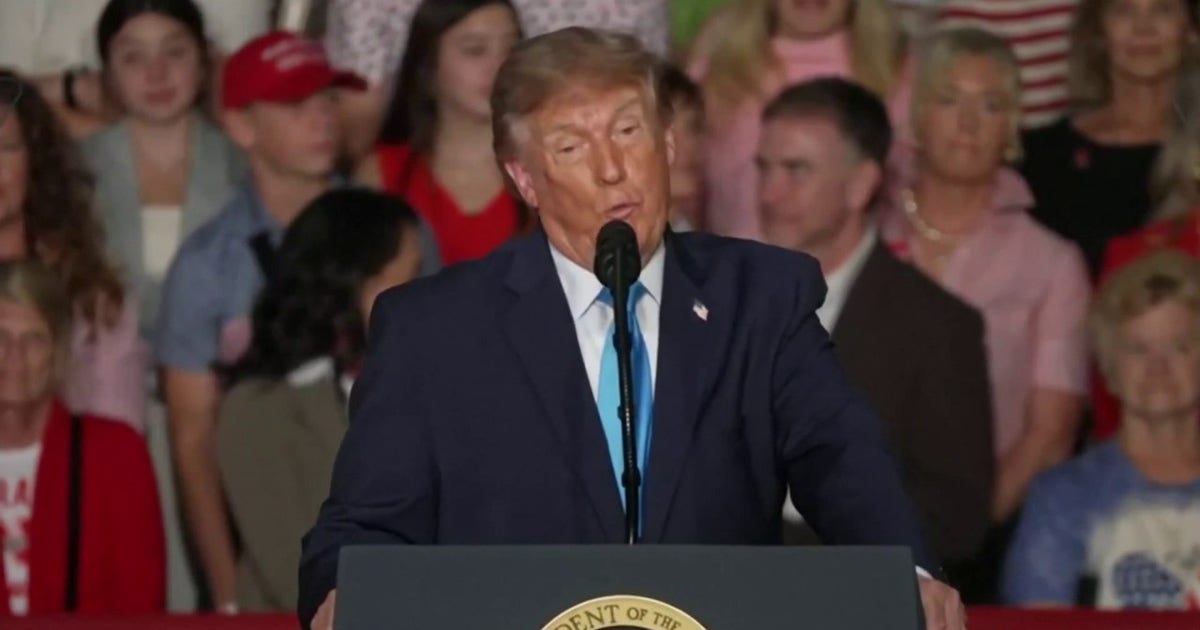


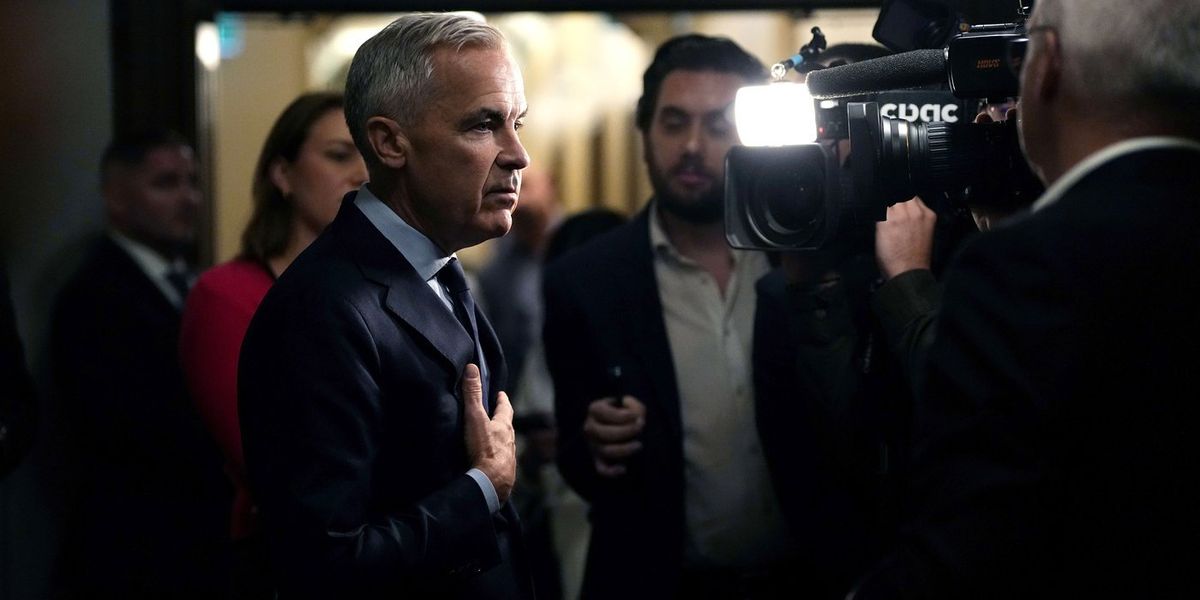




Anthropic CEO Dario Amodei arrives near the White House ahead of a planned meeting with U.S. President Donald Trump, in Washington, DC, on Sept. 29.OLIVER CONTRERAS/AFP/Getty Images
As a kid, during the Jewish high holidays, it terrified me to think that some time before Yom Kippur, God might pass on writing my name in the Book of Life. Then the shofar blew, and it was over. I wasn’t going to die. We all ate honey cake in the synagogue’s basement.
But this year, it’s been hard to move on when tech doomers tell us the end is imminent.
“The people building AI earnestly believe that it could kill us all by the end of the decade,” wrote Jacob Coxon, a former AI researcher for Anthropic. Usually, when a whistleblower quits, their company quickly acts to smooth over any negative assertions, but Anthropic doubled down when the company’s alignment science lead, Evan Hubinger, agreed with Coxon. “We really do earnestly believe AI could kill all humans. I personally think it is > 10% within the next decade,” Hubinger said on X. And then he went back to work at a company traders expect to be valued at over $2-trillion when it goes public this quarter.
It’s become standard practice for tech leaders to talk about AI in apocalyptic terms, even while they continue to profit from it. Relying on the language of Armageddon makes these claims not only hard to counter but also feel somehow inevitable. But perhaps when it comes to the AI apocalypse, the underlying question is not whether it will kill us, but who is to gain from our fears.
Opinion: Is it reasonable to be afraid about Big Tech’s ability to regulate AI? Yes
As early as 2014, Elon Musk referred to AI as “summoning the demon.” Dario Amodei, the CEO and co-founder of Anthropic, titled his 2024 manifesto, “Machines of Loving Grace,” which sounds like it’s plucked directly from scriptures. Ilya Sutskever, OpenAI’s chief scientist who three years ago warned that AI could lead to “human extinction” has been accused by employees of acting like a religious leader, encouraging chants of “feel the AGI” at corporate events and organizing the burning of a wooden effigy of an “unaligned” AI.
So why are members of an industry reliant on data and science using the language of a doomsday religious cult?
“Apocalypse sells,” explained Lorenzo DiTommaso, professor of religions and cultures at Concordia University. DiTommaso, who catalogues doomsday content, has counted over 20,000 apocalyptic and post-apocalyptic films, novels, anime, manga, shows, videogames and other media products made in the 21st century alone.
“From a marketing perspective, the apocalypse is a Golden Goose.”
Turning to apocalypticism, DiTommaso explained, is “part of our cultural DNA.” Contemporary Western society is largely informed by Christian beliefs, he says, and since Christianity is an apocalyptic religion, it’s not surprising that tech leaders are relying on tropes already ingrained in the culture. How ingrained? According to a 2022 Pew survey, almost 40 per cent of Americans believe we are living in the end times.
Coxon and Hubinger aren’t the first, or last, tech prophets to warn of impending doom, and there’s some comfort in knowing that we’ve seen this movie before. Back in 1950, Alan Turing, considered a founding father of artificial intelligence, devised a test, later known as the Turing Test, to assess whether a machine can converse in a way indistinguishable from a human. The next year, he warned that intelligent computers would eventually “outstrip our feeble powers” and “take control.” In 2005, Ray Kurzweil’s book, The Singularity Is Near, predicted that by 2029, AI would easily pass the Turing Test, but a study released in May said it happened already, three years ahead of schedule. No one made much of it. (Also, the world didn’t end).
Like all doomsday religions, the end-of-times dateline keeps moving. Now the bigger concern is AGI – artificial general intelligence – which is the term for when a system can perform like a human, and begin to improve itself. Once again, fear of this eventuality inspired religious statements. Ian Hogarth, a tech-investor and entrepreneur, described it as “God-like AI.” Others, including anonymous OpenAI researchers quoted by Karen Hao in her book, Empire of AI, referred to AGI as the rapture – meaning a deliverance of sorts, but just for the chosen few.
It’s not only those “summoning the demon” who are described as bringing on our demise, but also those who promote regulation. Peter Thiel, the entrepreneur famous for co-founding PayPal, refers to those wishing to rein in AI advancement, including Greta Thunberg, as “legionnaires of the Antichrist.” But apocalypticism is a dualistic worldview with clearly defined notions of good and evil – and where you fall can depend on a lot of your circumstances.
“If he were a person whose job AI had rendered redundant, Mr. Thiel would be arguing that AI is the Antichrist,” said DiTommaso.
Opinion: Before AI can kill us the bubble will burst
A handful of tech CEOs are pushing back on the apocalypse narrative, including Nvidia CEO Jensen Huang, who said in an interview with CBS News, “2030 is not going to be the end of the world. There is zero per cent chance that’s going to be the end of the world.” Reassuring, except that Nvidia is the biggest publicly traded company in the world, largely fuelled by the AI boom.
Aidan Gomez, CEO of Cohere Inc., a Canadian company that builds AI products for corporations, wrote in a recent blog post that “using fear under the pretext of protecting the public, these oligopolies are now requesting to bend competition rules and be permitted to dictate the terms for everyone else.” He referred to these tech giants not only as a “cartel” but “a wolf in sheep’s clothing,” recalling Jesus’s warning about false prophets.
In other words, everyone is pointing fingers at each other while investment dollars continue to flow. No amount of fasting will give us the mental and spiritual clarity to parse what’s really going on in this Silicon Valley death cult. But beware the tech prophets who hide behind gospel to sell you improved access to chatbots or to squash their competition. Instead, do what I do: eat some honey cake.