
![2nd Oct: The Ramparts of Ice (2026), 2 Seasons [TV-14] – New Episodes (6/10)](https://occ-0-748-1001.1.nflxso.net/dnm/api/v6/0Qzqdxw-HG1AiOKLWWPsFOUDA2E/AAAABX4DrgRD26A6j5N1BpXa3Gn3I3mUeU5LcdhdIVpG_0IP_Ls4M-P0eEAaYEBkqZEzz3tD6ii6gfFRXvMBIWw2YCEivKQ3hNJ1mPLpxw9dc-poSOaW9zd5BPZru0AwnUhZs0zsqvpxSISKPFrrYa3q4UqwTIH0RpxbJAuUWEIS.jpg?r=f88 "2nd Oct: The Ramparts of Ice (2026), 2 Seasons [TV-14] – New Episodes (6/10)")


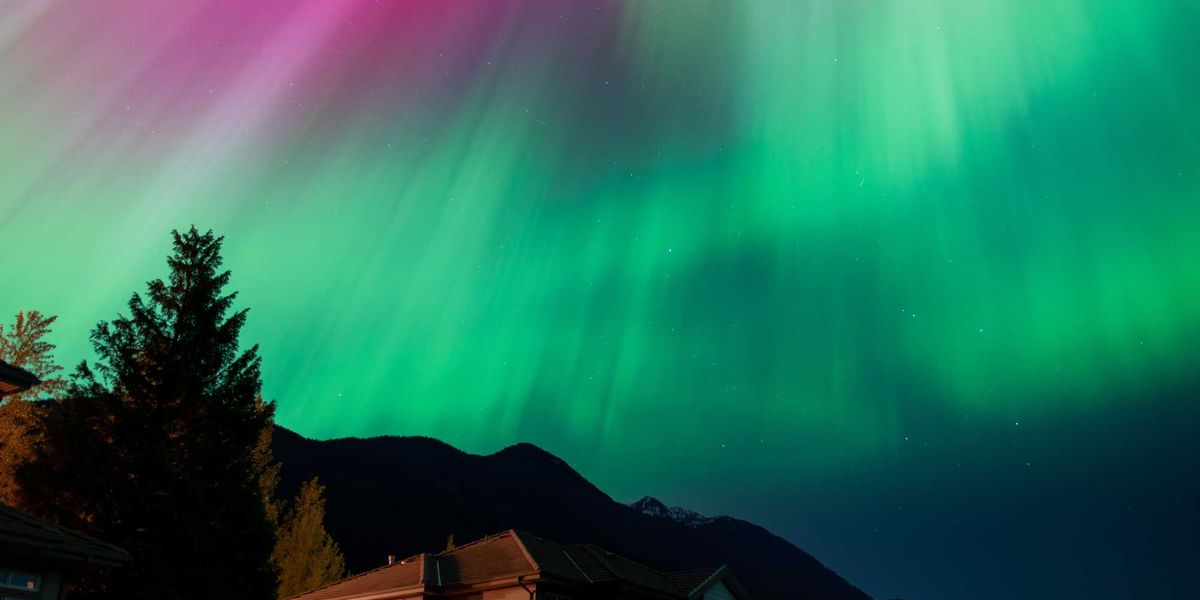
The northern lights are forecast to be visible in Canada tonight alongside the Perseid meteor shower.
So, you could see the aurora, streaking meteors and “extremely bright” fireballs in the night sky!
NOAA’s northern lights forecast said geomagnetic storms are expected on Tuesday, August 11 and overnight into Wednesday, August 12.
The peak of the Perseids is this week, with the most meteors expected to be visible in the night sky over Canada on Wednesday, August 12 and Thursday, August 13.
A “more intense” aurora could be seen tonight in Prince George, Whitehorse, Yellowknife, Grande Prairie, Edmonton, Banff, Calgary, Lloydminster, Saskatoon, Regina, Winnipeg, Churchill, and Fort Severn.
The northern lights could also be visible in Victoria, Nanaimo, Vancouver, Kelowna, Cranbrook, Lethbridge, Winnipeg, Kenora, Dryden, Thunder Bay, Sault Ste. Marie, Sudbury, Timmins, Moosonee, Saguenay, Sept-Iles, Rimouski and surrounding areas
NOAA said the northern lights can be observed from as far as 1,000 kilometres away when bright enough. That means you could be able to see it along the northern horizon in places that are further from the aurora oval, like southern Ontario and Quebec.
Northern lights forecast map for Tuesday, August 11, 2026.NOAA
The Weather Network said this could be the best view of the Perseids in almost 20 years because the peak of the meteor shower is during the new moon phase.
That means the night sky will be very dark across Canada with no moonlight to obstruct your stargazing.
You could see between 75 and 100 meteors per hour during the peak of the Perseid meteor shower this year.
Even though the shooting stars originate from the radiant point near the constellation Perseus in the northeast, meteors can appear anywhere in the night sky.
According to The Weather Network, some Perseids are “dim flashes of light” that aren’t visible for long, but some meteors are brighter and have “distinct momentary streaks of light.”
Perseid meteors can sometimes be fireballs! These meteors are “extremely bright” and leave long trails in the night sky that can be seen for hundreds of kilometres, even in places with bright city lights.
If you want to see the northern lights and meteor shower, the Canadian Space Agency has viewing tips for both the aurora and Perseids.
Typically, the northern lights appear a few hours after sunset and get more intense around midnight.
You should find a place with little or no light since bright city lights can make it difficult to see the northern lights, especially if a less intense aurora is forecast in your area.
When you’re in a dark location, you should look all around because the northern lights can appear anywhere in the sky, not just directly above you.
For the meteor shower, the Canadian Space Agency also said to find somewhere with dark skies so you can see even faint meteors.
You should sit in a chair, lie down or lean against your car with your head resting back. You’ll be able to see more meteors and be more comfortable that way since you won’t have to readjust your head.
According to the Canadian Space Agency, it might take a while to see shooting stars as your eyes adjust to the darkness and you look around the night sky.
This article’s cover image was used for illustrative purposes only.