
![23rd Jul: The Debt Collector (2026), 2hr 14m [TV-MA] (6/10)](https://occ-0-858-92.1.nflxso.net/dnm/api/v6/0Qzqdxw-HG1AiOKLWWPsFOUDA2E/AAAABefu1QaPdyUmTFNgqbKqLzi2PIpPXQMFAxbtFl-zPzVviN5kEyQ8eBq141irUt8cCOCKDkwiqS4XXjahCw9dVYMgdtwF_pqFmaSTT4bbwUovW7aUGPXX-xisIaYB9FcePrXAppsb4pPlgLnikSQmgcGjX17B2DS40b0szBDpx2KXbg.jpg?r=3b4 "23rd Jul: The Debt Collector (2026), 2hr 14m [TV-MA] (6/10)")






Each April marks the annual anniversary of William Shakespeare’s birthday. The famous playwright would’ve been a ripe old 462 this year, had he not died and if it were possible for anyone to live that long. Rather than marking the occasion by watching Hamnet again, I did the next most logical thing: pondering what video games Shakespeare would’ve enjoyed playing.
1
Clair Obscur: Expedition 33
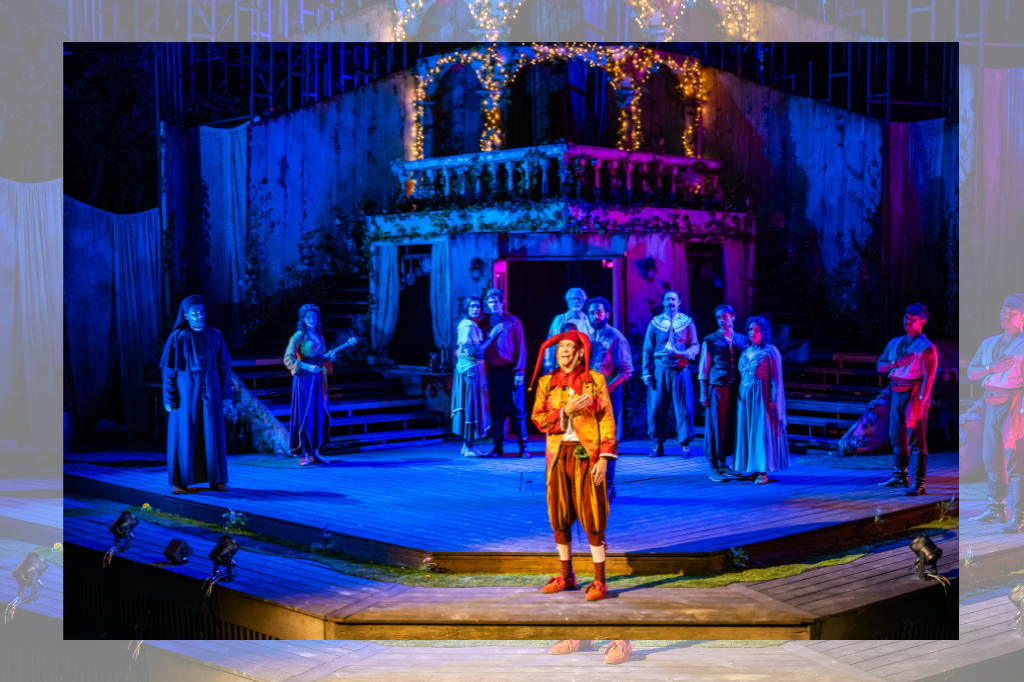
King Lear is about a really messed-up family. You know what else is about a really (really) messed up family? Clair Obscur: Expedition 33. Okay, so Renoir isn’t an egomaniacal king who banishes his one good kid after she refuses to exaggerate his glory. The other kids don’t rebel against Renoir and gouge his eyes out, and he doesn’t lose his sanity or have a spectacular monologue in the rain while a jester watches. And Alicia isn’t hanged as a traitor like Lear’s banished daughter, Cordelia. She is the family scapegoat, though, which is a pretty compelling connective thread between the two works. Anyway, Billy would’ve loved it.
2
Call of Duty


Most of Shakespeare’s historical plays, like all the Henrys and the two Richards (especially Richard III), were not, in fact, that historical. The wobbly Tudor dynasty, very aware of its tenuous (technically illegitimate) claims to the throne, commissioned Shakespeare to write plays that made them and their family history look good at the expense of their political enemies. Shakespeare wrote propaganda, in other words. Call of Duty has its own complicated relationship with promoting the military-industrial complex and a certain kind of worldview, so I’m sure Shakespeare would feel quite at home here.
3
The Last of Us Part 2

Shakespeare scholars have argued for decades about the value of Macbeth, the tale of a Scottish noble and his wife who murder their way to the throne. The general consensus among those who dislike the play is that it offers little value for humanity, being only a study of evil and a “tale of nihilistic despair.” Well, that sounds just like The Last of Us Part 2. The arguments against Macbeth often get it wrong, just like the criticisms of TLOU 2‘s trite cautions against revenge miss the point. Life isn’t all happiness and rational behavior. If you never explore the darkest sides of the soul and what people can do when pushed to extremes, then you don’t understand humanity at all.
4
Dragon Quest XI: Echoes of an Elusive Age

Shakespeare’s plays occasionally dabble in magic, though usually as a thing of questionable morality (Macbeth) or something confined to the realms of whimsy (A Midsummer Night’s Dream). Magic just is in The Tempest. It’s the tale of a wizard in exile who sets up shop on an island that’s probably Bermuda (or inspired by it) after he’s cheated out of his rightful inheritance. He conjures up a storm that wrecks the ship of his noble brother, who’s traveling with the king of Naples and his entourage. There’s a genie and all manner of enchantments and illusions; a whirlwind romance; and a benighted kingdom put to rights by the play’s end. It all puts me very much in mind of Dragon Quest 11, with its noble kingdoms brought low through treachery, its mermaids, and its insistence that everything will, eventually, work out right. Granted, the themes of racism and colonialism that plague The Tempest are absent in Dragon Quest, but it did have a bigoted war crimes denier for a composer. I guess that balances out.
5
Crusader Kings 3


There’s not really a strong parallel to any specific play here. But I imagine the man who wrote farces and the Tudor equivalent of sitcoms and screwball comedies would appreciate some of the unhinged stories you can come up with in Crusader Kings 3.
6
Assassin’s Creed Odyssey

Troilus and Cressida was Shakespeare’s Illiad. No, really. The couple frequently gets upstaged by Achilles and the other major players in the tale of the Trojan War, to the point where it seems like the Bard just wanted a shot at writing his own Classical epic. Seven years later, he wrote Coriolanus, his version of a Roman military saga. Classical history was a big deal during Shakespeare’s time — partly thanks to the Renaissance igniting new interest in the past, partly for its role in fueling the dreams of budding empires like England — so the point is he would’ve been enamored with Assassin’s Creed Odyssey.
7
Opus: Echo of Starsong

On a general level, I expect something like Echo of Starsong would’ve appealed to many 16th- and 17th-century minds, at least those with a less spiritual bent. At last, people were no longer forced to believe that the Christian concept of heaven lay just beyond the sky and could think about the vastness of the solar system. Stories of people living in space and exploring it would’ve set their imaginations on fire! Echo of Starsong has Shakeaspeare-specific appeal beneath its sci-fi drama, too. It’s a Romeo and Juliet-coded tale of two lovers from opposing factions defying the odds to be together, with less-than-ideal outcomes at the end. Star cross’d and crossing the stars, ha.
8
Final Fantasy 9


“The play’s the thing,” says the eponymous hero of Hamlet, thinking his play will unravel the attempted coup playing out in his very own home. That plot involves his uncle murdering his father, the king of Denmark, and marrying the newly widowed queen, who’s not all that upset about her husband’s death. Hamlet arranges for his mother and father-uncle to see a play of his own design that mirrors these events, and while it doesn’t have quite the effect he hopes for, it kickstarts something much bigger. It’s just like “I want to be your canary” in Final Fantasy 9. Well, sort of. The Tantalus theater group has ulterior motives in performing for Alexandria’s queen, and it also kickstarts something much bigger for them. Given Hamlet’s monologues about life and death, I bet Vivi’s musings on what it means to be alive would’ve struck a chord with William, too.