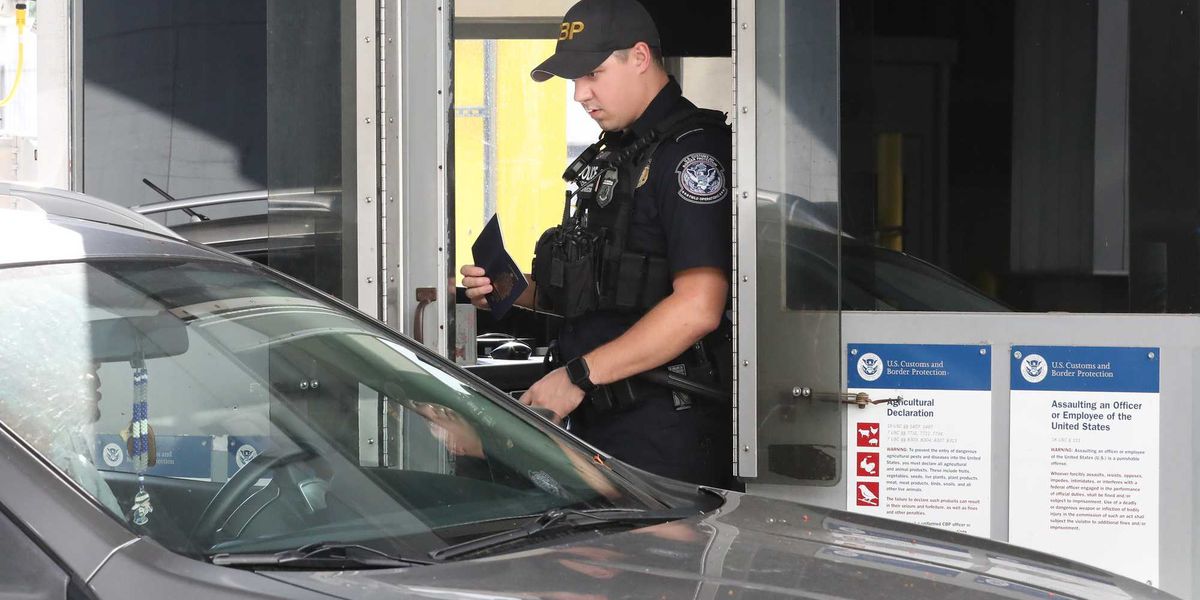







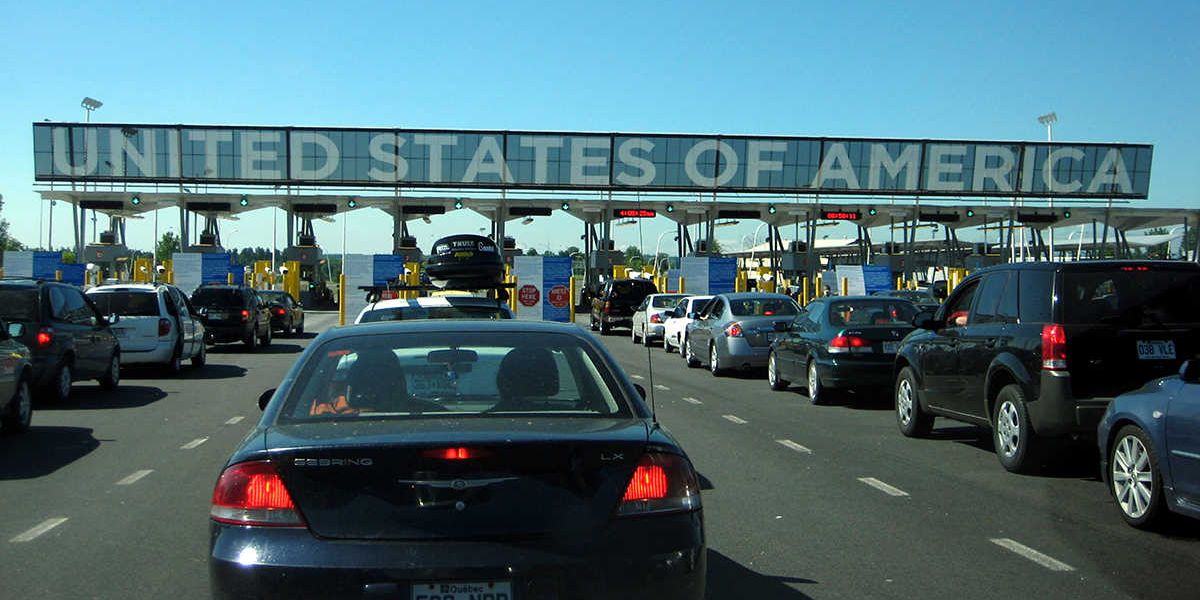
Canadians crossing into the United States today (or anytime in the future) may notice something different at the border.
As of December 26, 2025, the U.S. Department of Homeland Security (DHS) is now requiring facial biometric collection from all non-U.S. citizens — including Canadians — entering and leaving the country. The new regulation is now active at airports, land crossings, seaports and any other approved departure point.
The rule marks the end of Canada’s long-standing exemption from biometric requirements that other foreign nationals have faced for years. Whether you’re flying south for the holidays, driving across for a shopping trip, or arriving by boat, your face will now be photographed and matched against government records as part of the standard border process.
What’s changing at the border
U.S. Customs and Border Protection (CBP) can now photograph travellers at both entry and exit points. This applies to everyone from diplomats at the airport to pedestrians crossing at land borders.
According to the DHS website, the change addresses a security gap. While biometric data was often collected when people entered the U.S., departure records were spotty. Officials say a complete entry-exit system is necessary to track who arrives, who leaves, and whether people overstay their authorized visits.
Why facial recognition is now mandatory
Federal authorities say biometric checks help prevent identity fraud, catch visa overstays and stop individuals who’ve been removed from re-entering. The approach follows recommendations from the National Commission on Terrorist Attacks Upon the United States, which identified biometric tracking as a critical security measure.
CBP uses its “Traveler Verification Service,” a cloud-based facial matching system, to automate identity verification. The agency says the technology is more reliable than manual document checks for identifying criminals, suspected terrorists and people using fraudulent papers.
How long will your photo be stored?
U.S. citizens who voluntarily participate will have their images deleted within 12 hours. Canadians and other noncitizens are enrolled in the DHS Biometric Identity Management System, where records can be retained for up to 75 years. DHS says it has published privacy assessments outlining how data is collected, stored, shared and eventually deleted.
Other new travel costs
The biometric requirement comes shortly after the U.S. introduced a visa integrity fee for certain Canadian travellers. As reported by MTL Blog in October, some permanent residents and visa applicants now face an additional US$250 charge (roughly CA$350) on top of standard visa fees. That cost is non-refundable and may increase annually starting in 2026.
Most Canadian citizens travelling for short trips won’t owe the fee, but everyone will be photographed when crossing the border. The result is a border experience that’s both more expensive for some and more technologically intrusive for all.
What to expect starting today
Canadians will be photographed at entry and exit. Manual passport checks continue, but biometric capture is now a standard part of the process for foreign visitors. U.S. citizens can opt out. Canadians cannot, and refusing to participate in the biometric step may result in denied entry to the country.