




Frontmezzjunkies reports: Spring 2026 New Musicals on Broadway
By Ross
There is nothing I want more, as a theatre junkie, than to walk into a Broadway season buzzing with the promise of new musicals. Not brand extensions. Not safety nets. Not another algorithmically tested nostalgia loop. A new musical arriving on Broadway is still, against all odds, an act of bravery. It’s a composer and a writer saying, we think this story needs music, and we’re willing to fail loudly to prove it. That’s why, even after a bruising year of closures and disappointments, I feel genuinely excited looking ahead. Because buried in the rubble are shows that remind me why I fell in love with this form in the first place: ambition, theatricality, risk, and the thrill of not knowing how it’s going to land.

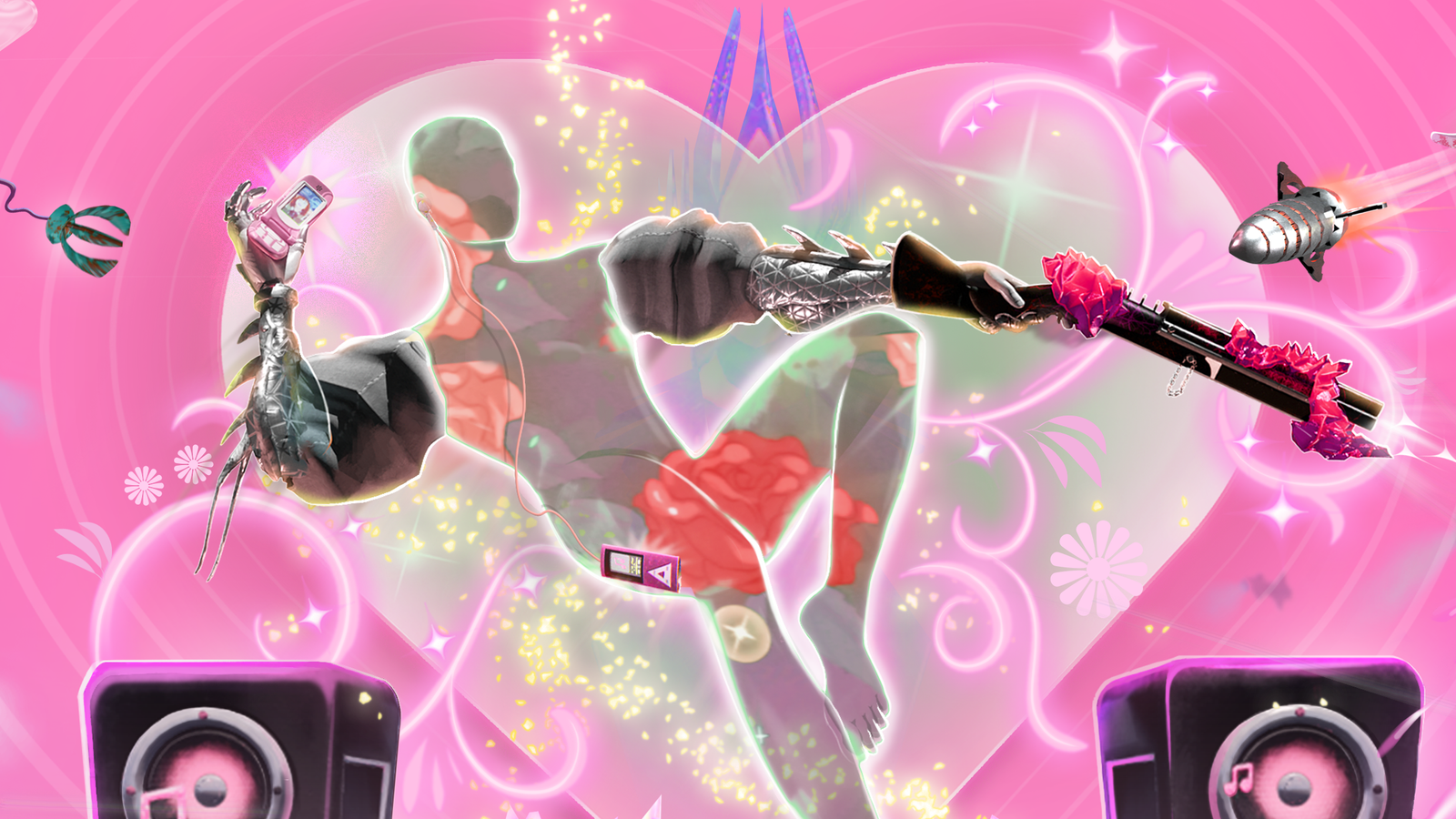
Let’s start with the one that actually feels like it wants to bite: The Lost Boys: The Musical. A vampire musical sounds like either a disaster or a delirious triumph, and frankly, I’ll take either over timidity. Early workshop buzz suggests a show that understands tone, sexy, dangerous, feral, and Broadway desperately needs that right now. Pair that with the sheer promise of Schmigadoon!, finally making the leap from screen to stage, and Beaches, a property that lives or dies on emotional sincerity rather than irony, and suddenly there’s a sense that new work might actually be allowed to feel something again. Add Titanique, already battle-tested and gleefully absurd, and this season begins to look like a conversation between parody, homage, and reinvention rather than a single-note scream for survival.

Revivals, too, are leaning into boldness instead of embalming. CATS: The Jellicle Ball is exactly the kind of high-concept reclamation Broadway should be encouraging, not apologizing for the original, but interrogating it, re-framing it, and throwing it into a cultural ballroom it never knew it needed. The Rocky Horror Show remains joyously indestructible, a reminder that cult theatre survives because it refuses polish. And Ragtime, returning once again, feels heartbreakingly relevant — not as museum theatre, but as a work that understands how history keeps looping when we fail to listen. These revivals don’t feel like retreat; they feel like arguments.

And yet. We have to talk about the failures, not because Broadway is “hard,” but because some of these shows simply weren’t good. The Queen of Versailles wasn’t a misunderstood experiment; it was, as I wrote at the time, “a musical so in love with its own excess that it forgets to interrogate it.” Satire requires teeth. This had veneers. New musicals don’t deserve automatic praise simply for existing, and when a show confuses volume for insight or spectacle for point of view, it’s not brave, it’s lazy. I’m far more forgiving of ambition that collapses under its own weight than work that never seems to know what it wants to say in the first place.

What excites me, then, isn’t the promise of financial longevity or awards inevitability, it’s the sense that Broadway, at least artistically, might be remembering how to take risks again. I want musicals that argue with themselves. I want to solve problems. I want shows that swing wildly and occasionally miss. Because every time a truly new musical opens, it reminds us that this form isn’t finished, embalmed, or obsolete. It’s alive, messy, and volatile. And as long as Broadway keeps making space for that, for vampires, parody boats, singing cats in ballrooms, and stories that might fail spectacularly, I’ll keep showing up, thrilled, hopeful, and ready to argue in the lobby afterward. And cross your fingers while you’re at it, for the reworked production of The Fantasticks, which is being developed for Broadway as a contemporary gay love story. That’s a risk that I can’t wait to see realized.