



![26th Apr: Say Anything (1989), 1hr 40m [PG-13] – Streaming Again (6.65/10)](https://occ-0-8151-92.1.nflxso.net/dnm/api/v6/0Qzqdxw-HG1AiOKLWWPsFOUDA2E/AAAABZIbquGafS49kMn8fycnvBk1j9vE572dK8FrpOLhwe6do8OkUivpqlU5TvaNYDGpQBysf1pB6-z_nbSpT36Z2nKPL0i6QkzKfWZLja9weg.jpg?r=193 "26th Apr: Say Anything (1989), 1hr 40m [PG-13] – Streaming Again (6.65/10)")


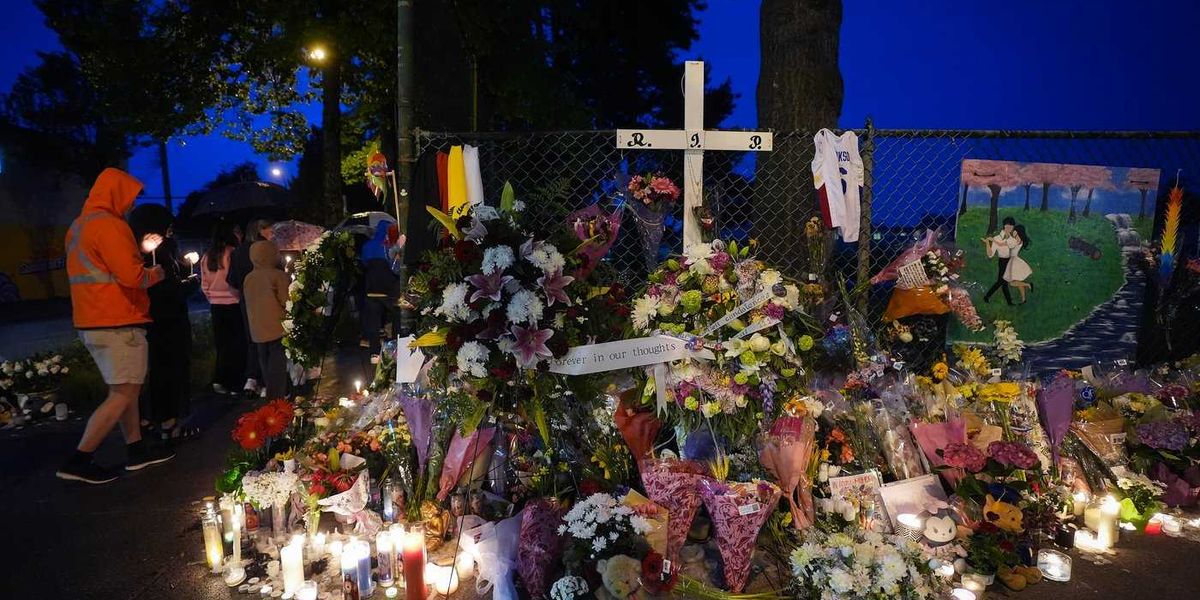



A man queues to purchase fuel at a gas station in Havana, Cuba, on Feb. 6.Ramon Espinosa/The Associated Press
In January, when I arrived in Havana to begin a two-week vacation in Cuba, I noticed some of the expected things – the 1950s cars, the pastel if peeling architecture. But I also spotted a bevy of rubber boots. The sky was clear, the sun was mostly beating down. Yet on every street, local Habaneros were sporting wellies of all kinds: white, pink, leopard print.
The footwear, it turns out, is a symbol of the island’s hardships. Pandemic-related declines in tourism and six decades of U.S. sanctions – including embargoes tightened by the Trump administration in 2025 – have pushed the island’s economy to collapse. Staples such as clothing are hard to find. These days, rubber boots are cheaper and easier to find than leather shoes or sneakers. Many Cubans pair their wellies with colourful socks, a testament to their resilience and flair.
I kept seeing the boots as I toured my way around the country – to the beachside towns of Playa Larga and Playa Girón, then to the southern port city of Cienfuegos. I was in the country just after Venezuela’s head of state, Nicolás Maduro, was captured by U.S. Special Forces. The country had been Cuba’s main source of oil.
Forest skating trails are a winter wonderland. Here’s a few to try across Canada
I was still there when U.S. President Donald Trump signed an executive order imposing tariffs on any country providing crude. The dearth of fossil fuels is leading to crippling blackouts. I was in one that lasted more than 48 hours. The proprietor of an inn where I stayed told me the shortages can last for days.
In addition to the boots and the blackouts, the signs of the failing economy were impossible to miss. I mainly lodged with local families in bed-and-breakfasts known as casas particulares. Typically, despite multiple available rooms, my travel companion and I were the only guests. Because we were travelling with euros and American dollars – the currencies preferred by local vendors – food was easy to find; however, we often ate in empty restaurants.
The Cuban government has announced emergency measures to address a crippling energy crisis worsened by U.S. sanctions.ADALBERTO ROQUE/AFP/Getty Images
“Things are a mess,” says Karen Dubinsky, an author and professor of history and global development studies at Queen’s University in Kingston, Ont. She has been visiting Cuba on and off since 1978, including numerous research trips for books about the country. She is currently in Havana working on a new project about Cuban music.
“I started noticing the change a few years ago,” she says. “That’s when I realized the only serious plans people here talked about – especially young people – were their plans to emigrate somewhere else. And a lot of people have.”
The empty restaurants I experienced stood in stark contrast to my first visit to Cuba. Twenty years earlier, I spent Easter weekend in Havana with my mom. As we toured the city, hitting the favourite haunts of Ernest Hemingway and enjoying floor shows at the Tropicana and Cabaret Parisien, we were surrounded by throngs of camera-wielding tourists from Italy, Spain and France. The country was on an upswing. In 2005, Cuba received more than 2.3 million foreign visitors, a record at the time. I don’t remember seeing a single pair of rubber boots.
Last year, in comparison, 1.8 million people visited Cuba, a decline of more than 50 per cent from the pre-pandemic peak in 2018, when more than four million tourists arrived.
In addition to a sharp decline in tourism, Prof. Dubinsky also points to the skyrocketing price of food, which has pushed basic staples out of reach for many. “It’s fine if you have foreign currency,” she says. “But I have a friend here who is a retired medical professional. Her pension is about 6,000 Cuban pesos. A carton of eggs – about 30 eggs – costs roughly 2,000 pesos. It’s mind-blowing. That’s about a third of someone’s monthly pension.”
A scheduled power outage in Santa Cruz del Norte, home to one of Cuba’s largest thermoelectric plants, on Feb. 3.Ramon Espinosa/The Associated Press
Prof. Dubinsky isn’t sure how the current crisis will end. She hopes only that Cuba’s future will be decided by Cubans themselves, not by a foreign government. “Cubans are notoriously friendly. They are educated and aware. They overcome unbelievable odds to produce beautiful music, incredible culture,” she says. “They should be able to figure things out for themselves.”
On my trip, I saw the wonderful culture Prof. Dubinsky describes. In Cienfuegos, the Teatro Tomás Terry stands as a grand example of the island’s architectural heritage. Built in 1895, its façade is adorned with gold-leaf mosaics. I paused to listen to local singers rehearsing on stage. They must have been accustomed to the electricity cutting out. Which it did midrehearsal. Without missing a note, they all continued in perfect harmony, singing in the dark.
Travel notes for visitors to Cuba
This week, Cuba announced that it was running out of fuel, causing Canadian airlines to suspend flights to the island, save for a series of repatriation flights to bring current travellers home. Prof. Dubinsky is flying home on Sunday. “I look forward to being back in the land of easy internet access,” she says, though she doesn’t quite know why the flights have been cancelled. “It’s only Canada that has cut things off. In a pinch, I could still fly to Miami.”
Which is true. Southwest and Delta are continuing flights to Havana, as are several European airlines. However, Sheila Edwards, an Alberta-based travel adviser with escapes.ca, advises Canadians in Cuba to leave on the first available repatriation flight. “The situation is changing so rapidly,” she says. “The Canadian government just changed their advisory to avoid non-essential travel. And Canadian airlines have suspended operations until at least the end of April. Coming home now is the best way to ensure you don’t get stuck.”
For any Canadians who have pre-booked, upcoming trips, most major tour operators, such as Sunwing Vacations, WestJet Vacations and Air Canada Vacations, are offering refunds, including refunds on travel insurance. “Most of the refunds are happening automatically,” says Ms. Edwards. “The exception is WestJet. They are also offering refunds but customers can also specify if they want to rebook elsewhere.”
For travellers considering a trip to Cuba in the foreseeable future, Suzette Davey Julien, a senior travel adviser, at Oshawa, Ontario’s Kemp Travel, suggests now is not a good time to plan. “Canadians love Cuba,” says Ms. Julien. “But with this situation, I would recommend other destinations.”