



Patch Notes is a weekly newsletter bringing you the best of Polygon, sent on Fridays and published on the site on Sundays. You can subscribe here.
It’s the circle of life. One live-service game dies — the developers of the briefly hyped Highguard announced they would throw in the towel this week — and another hopeful rises to take its place: Bungie’s Marathon is out and it’s good, actually. One Microsoft Gaming CEO gives up trying to sell any Xboxes and retires; another replaces him and slaps a code name on the next one. There’s always someone willing to take another roll of the dice.
Through all of this cyclical entropy, though, some things persist. One of them is Pokémon. The supposed highest-grossing media franchise of all time was a fad once, a craze that everyone assumed would fizzle out. Now it’s a comforting constant, nostalgic to adults, eternally fresh to children, a self-sustaining ritual everyone can take part in. It’s a giant Snorlax rug we can all sit on. Pokémon is 30 years old, but it feels like it’s always been with us and always will.
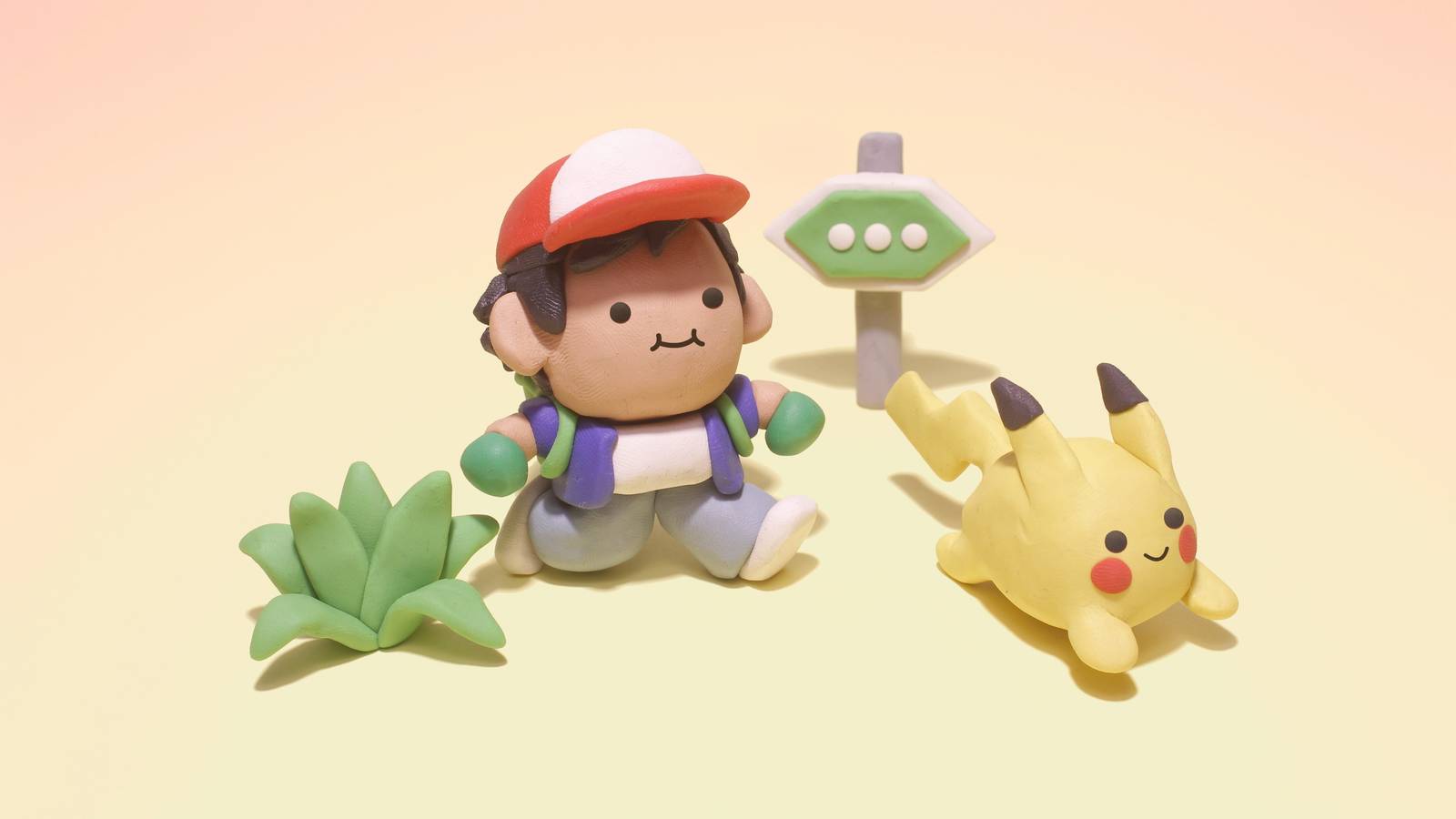
So why are we surprised the new Pokémon game is good? Pokémon Pokopia, a cozy life-sim spinoff about building a new Pokémon society in a post-human world, launched on Nintendo Switch 2 this week to much better than expected reviews. The game is just very charming, but it’s probably worth examining why the expectations weren’t higher to begin with.
The truth is that, unlike true-blood Nintendo franchises like Mario and Zelda, Pokémon’s quality control hasn’t always been that good. The core series quickly became mired in its own traditionalism, while recent attempts to expand the scope were built on shaky technical foundations. And spinoffs like Pokopia rarely fared better; quite the opposite. Most are not much more than good enough, and none (with the possible exception of Pokémon Puzzle League) are great. Yet here we are with Pokopia at the top of the all-time Pokémon game rankings on Metacritic. What happened?
Honestly, we should have known: Pokopia was developed by the team within Koei Tecmo’s Omega Force studio that made the wonderful Dragon Quest Builders 2. That game brilliantly refined the original’s rough concept — what if Minecraft, but in a Dragon Quest world? — and did it with sensitivity to both the freedom of the genre and the formal shape of the Dragon Quest series. With Pokopia, they’ve done it again, reshaping cozy world-building around the Pokémon rather than dropping them into it.
There might be a deeper reason we’re surprised to love a new Pokémon game, though, and it’s got something to do with the series’ essential childishness, or rather, how essential it was to most of our childhoods. We revere it, but we don’t take it seriously; we don’t expect it to fulfill us now. It’s a good thing Omega Force did. —Oli Welsh
Pokopia captures Pokémon’s environmentalism in a tedious but charming life sim
Giovanni Colantonio wrestles with a game that asks you to save the world, one brick at a time.
10 Pokémon Pokopia beginner’s tips to help you perfect your island

Starting the game this weekend? Polygon guide master Julia Lee reassures you that stealing is OK and reminds you to keep an eye out for suspicious rocks.
The 100 best Pokémon of all time

We ranked Pikachu where, exactly?!
Also this:

- Shelf Quest: Matthew Lillard’s Wing Commander nightmares and FIFA dreams: Our new video series invites our favorite people to an iconic New York game store to explore their gaming lives.
- There’s a cool Leon Kennedy jacket for every budget: Jen Glennon teaches us how to emulate the Resident Evil star’s love of a shearling collar.
- 10 incredible Fringe episodes you can enjoy for free: Sam Nelson takes us on a guided tour of the X-Files spiritual successor’s weirdest, most wonderful standalone moments, now streaming on Pluto.
- According to Vince Gilligan, the Lone Gunmen are ‘still out there’: Speaking of X-Files spiritual successors, the Pluribus and Breaking Bad creator remembers his own spinoff in conversation with Brian VanHooker.
- The Bride! takes the Frankenstein story on a messy, manic, monstrous ride: Tasha Robinson attempts to stitch together the unwieldy monster that is Maggie Gyllenhaal’s take on Bride of Frankenstein.