

![1st Jun: Milky☆Subway: The Galactic Limited Express – the Movie (2026), 47m [TV-14] (6/10)](https://occ-0-8176-1007.1.nflxso.net/dnm/api/v6/0Qzqdxw-HG1AiOKLWWPsFOUDA2E/AAAABcyynkuPK9Jx_6ufa0cTVhJi_Ytmb_LRO7FyRQLUlwaWDFIYzVjIbGwkh5yzQHAkV-09V8kvgn_Xw4Ir1McvFTF6jzdpwQ89QPSQvukUvny5DPxDhs6efeMoPY7UwEYIZrsjvg_TizUUULU1mUr0ZkApWNytwGO-fN67Xh34RUosng.jpg?r=a20 "1st Jun: Milky☆Subway: The Galactic Limited Express – the Movie (2026), 47m [TV-14] (6/10)")


![1st Jun: Rebirth of Mothra II (1997), 1hr 39m [TV-PG] (5.55/10)](https://occ-0-8176-1007.1.nflxso.net/dnm/api/v6/0Qzqdxw-HG1AiOKLWWPsFOUDA2E/AAAABcPRlpLZved2cSR-wb4ChnH1GXKj81AsNjVNVNgeI5Vf4PhVqZxrwqAYVsV2fAY7ghEF34K9xr85NcZDeqv5Wp6mYGEOaZNb5DFIVwWO1kBvmgBmK5Gk_Wj9nwRqixeDVwEjo2zAq-oJ0lvvEAw4ezRxnSnCnNg0EgM0tw0GU6ZFoA.jpg?r=afc "1st Jun: Rebirth of Mothra II (1997), 1hr 39m [TV-PG] (5.55/10)")


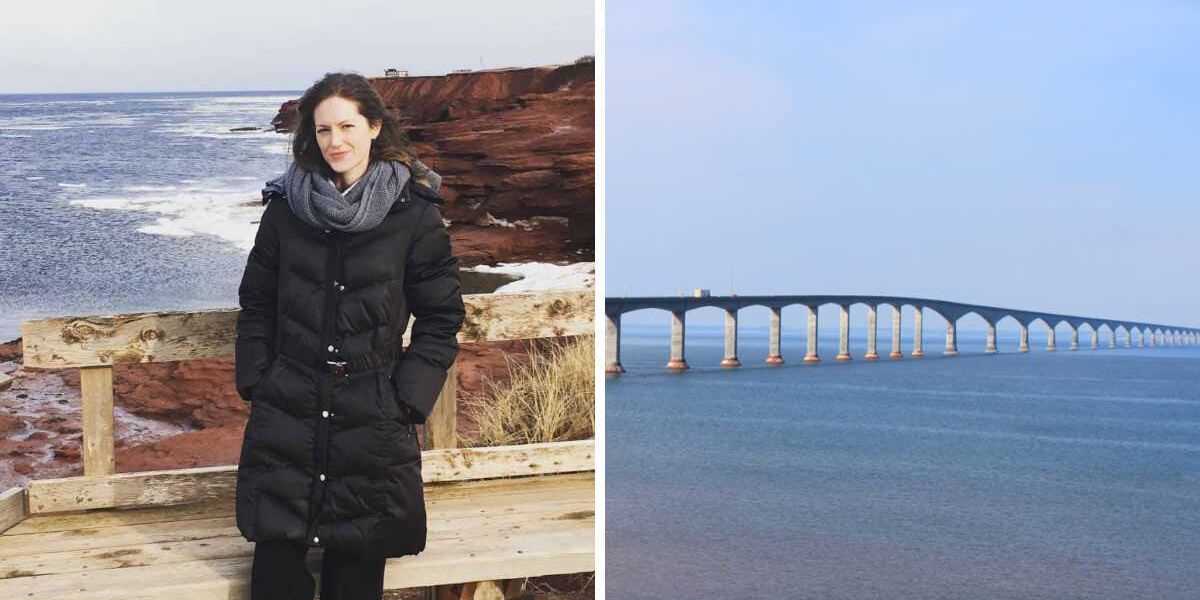
Leaving the bustling streets of Toronto and moving to small-town P.E.I. sounds like a rom-com come to life — but the reality (as it so often is) isn’t quite as picture-perfect.
In the summer of 2016, I went on a self-prescribed writing retreat in Charlottetown, the capital of Prince Edward Island. My days were spent sightseeing — wandering along red-sand beaches, stopping at lighthouses, taking the long way home just to see what was around the bend — and my evenings often ended with oysters downed like shots.
It all felt easy. Expansive. Free.
Back in Toronto, life moved at full speed — when you weren’t stuck on the DVP. Busyness felt like a badge of honour, but I never felt like I was getting ahead. On PEI, I discovered I wasn’t so dependent on results and expiration dates. I was genuinely happy just being on the journey and letting life flow. I fell in love with its slower pace. I fell in love with its serene scenery, its shimmering waves and rolling green hills. More specifically, I fell in love with the person I was on the Island.
So when the opportunity arose to leave Toronto and move to PEI, I took it. In November 2017, I packed up my life and made the 1,800-kilometre drive east with my parents (who were retiring), convinced the version of PEI I’d fallen for in the summer was the answer to my problems.
What I didn’t realize then is that there’s a difference between sightseeing in a place and settling into it. The culture shock didn’t hit me when I was barefoot on the beach. It hit when the tourists left — and I had to actually live there.
I thought I knew the Island. I didn’t. Here’s what nobody warned me about.
Tourist season is a thing
In the summer, PEI hums.
From the Cavendish Beach Music Festival to packed patios in Charlottetown to boating and kayaking tours in places like North Rustico, there’s always something to do and see. The Island feels buzzy, social, sun-soaked. It’s easy to fall in love with that version of PEI.
But after the summer? The shift is dramatic.
Restaurants and boutiques shut down for the season — even in Charlottetown. That seafood restaurant you loved in July? Closed. The lively patio scene? Gone. Week by week, the high energy that defines PEI in the summer quiets down.
And then winter hits.
The tourists disappear. Streets get quieter. Days get shorter. What felt charming and quaint in July can feel empty and isolating in November — especially when you’re new and still trying to build community.
It’s not that the Island loses its magic. It just reveals a completely different personality through the fall and winter, until the next summer rolls around.
Winter never ends
Winter in Toronto is something — but it’s not quite the same as an Atlantic Canada snowstorm. On PEI, snow comes hard and fast. Drifts make driving treacherous. Snow starts as early as November and can last into late April. Snow days aren’t rare — they’re practically guaranteed — and the whole Island basically shuts down. (If I’d lived here as a kid, I’d probably love it.)
But as an adult? Roads are unevenly plowed or salted, and most of the Island is rural. Getting around can be an adventure — or a nightmare. Winter here is true hibernation mode. In Toronto, at least you could step outside, walk the streets, grab a coffee, or meet a friend without thinking twice. Out where I lived, just outside Charlottetown, I was pretty much homebound. Simple errands require planning and a cautious eye on the weather. I kept counting the days until the snow melted and spring was in the air.
Everyone knows everyone (seriously)
In Toronto, you can reinvent yourself weekly. No one is paying attention. You’re one of millions. You can meet new friends doing improv, boxing, dance classes — whatever you like — and you’d never encounter an interloper.
On P.E.I, life moves differently. In Charlottetown (population under 50,000), you start recognizing the same faces and names quickly. Everyone knows everyone — or is related to someone who knows someone. Community can feel intimidating when so many relationships are already established.
Then there’s the biggest adjustment: you’re not an Islander. You’re “from away” (yes, that term is actually still used).
Some people barely notice. Others make a point of reminding you.
It’s like wearing a sign that says you don’t belong. Suddenly, engaging in small talk at the grocery store or post office carries a subtle weight: you’re in someone else’s world, and it’s not always easy to feel at home.
Life without 24/7 convenience
Toronto is a big city. Gas stations are open 24 hours, gyms never close, new restaurants pop up constantly, and multiple subway lines make getting around easy.
PEI? Things close early — especially in the winter. There’s a bus line, but it’s limited. Restaurants are fewer. Amazon Prime packages don’t arrive the next day — and definitely not during a snowstorm. If you don’t have a car, forget about getting around. Oh, and there’s no Uber.
But the lack of access goes beyond convenience. It’s about opportunity. The Island’s industries are still largely rural. While there are entrepreneurs and artists, other sectors are smaller or nearly nonexistent. Forget about getting a family doctor – there are people on waitlists for years.
For someone like me (a writer who thrives on arts, networking, and professional opportunities), the options just aren’t what a larger city provides.
One woman told me I could be a “big fish in a small pond.” At first, that sounded perfect, but after a while, that pond started to feel very, very small. Within two years, I moved to Vancouver and landed a job in communications.
Here’s the thing: I do enjoy Prince Edward Island.
It has so much to offer, but there’s a stark difference between being a tourist and actually living there. Sometimes what you think you need full-time turns out to be what you really need is a vacation — and that’s exactly what PEI does best.
PEI is magical, and I’d recommend anyone try living there if they want.
Just be prepared — the Island you fall in love with in July isn’t the one you live with in November – and that’s okay. It’s just not for everyone.
The opinions expressed in this article are the author’s own and do not necessarily reflect the views of Narcity Media.