





Frontmezzjunkies reports: Ayo Edebiri and Don Cheadle step into a modern classic while David Lindsay-Abaire turns a quiet street into a pressure point
By Ross
Some nights on the Broadway calendar arrive with a little extra charge in the air. March 31 is one of them. Two productions begin previews, each grounded in something deceptively simple, both opening outward into something far less certain.
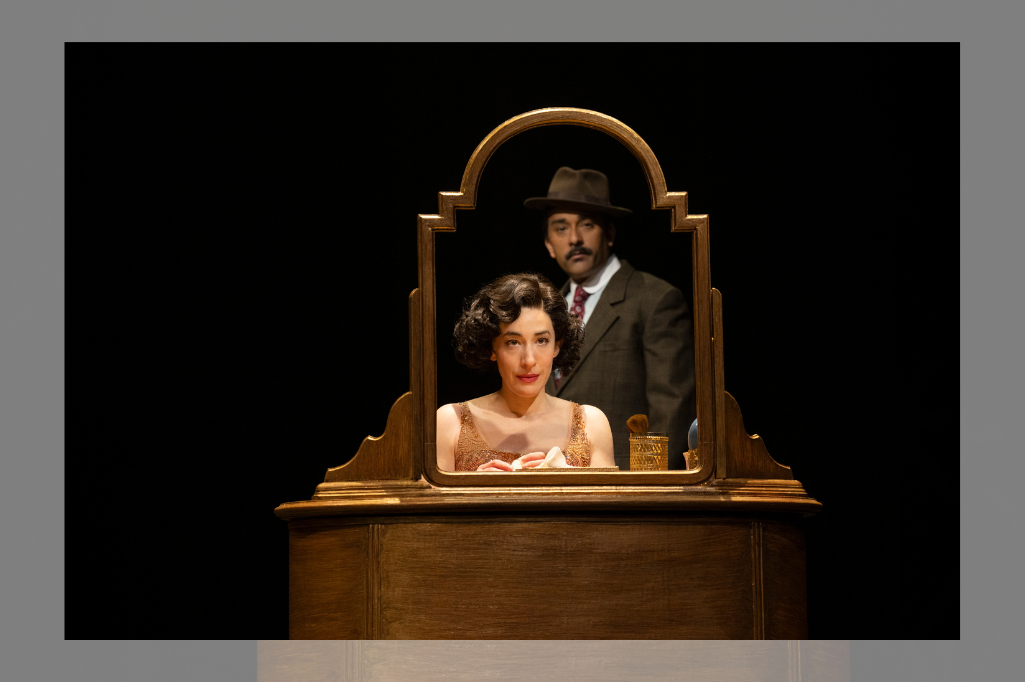
At the Booth Theatre, Proof returns in its first Broadway revival, carrying with it the weight of its Pulitzer Prize and a story that continues to unsettle even in its familiarity. Across town at the Samuel J. Friedman Theatre, The Balusters makes its debut, transforming a neighbourhood debate into something far more revealing. One begins with a notebook. The other with a stop sign.
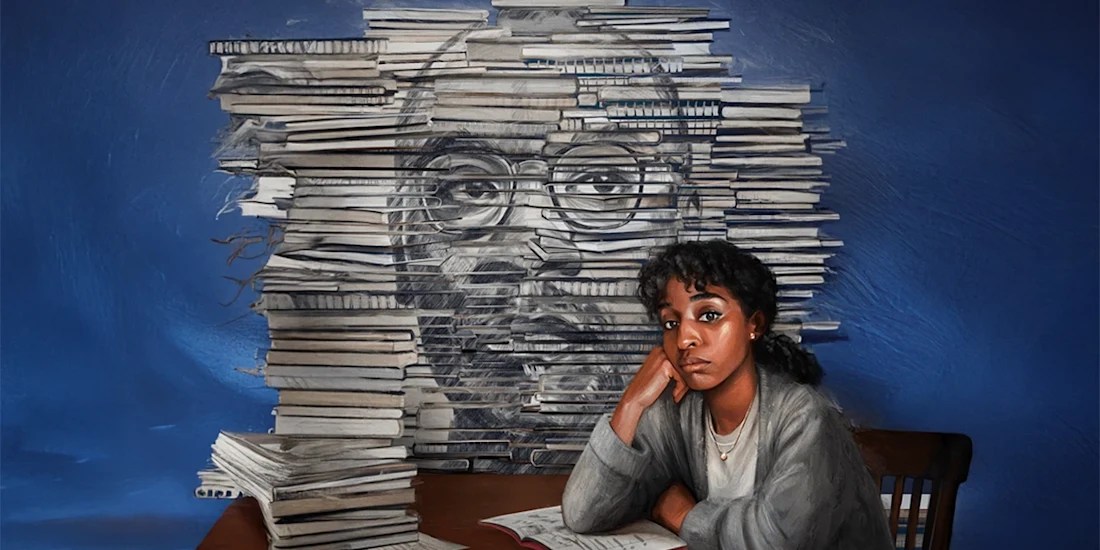
At the centre of David Auburn‘s Proof, Ayo Edebiri (“The Bear“) and Don Cheadle (“Hotel Rwanda“) step into roles that hinge on precision, inheritance, and doubt. Catherine lives in the shadow of her father’s brilliance, trying to determine what belongs to him and what belongs to her. The discovery of a mathematical proof sets the story in motion, but the real question runs deeper. It asks what it means to claim authorship, not just of an idea, but of a life shaped by expectation and fear of being misread. Under the direction of Thomas Kail (Off-Broadway’s Anna Christie), the play has the potential to cut sharply, exposing something fragile beneath its intellectual surface.

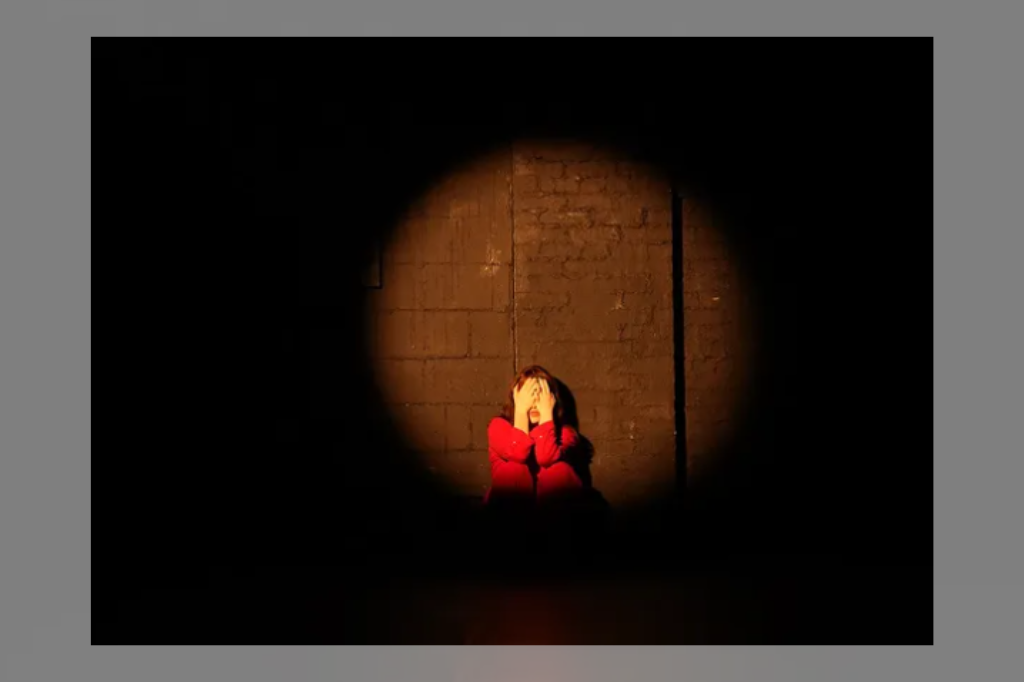
The Balusters moves to a different rhythm. Written by David Lindsay-Abaire and directed by Kenny Leon (Broadway’s Purlie Victorious), it begins in a place that feels almost ordinary. A small-town neighbourhood association debates whether to install a stop sign. What follows is less about traffic and more about control, perception, and the quiet ways tension accumulates. With Renée Elise Goldsberry leading a cast that feels rooted in the world of the story, the play builds its pressure slowly, allowing small fractures to widen until something deeper begins to surface.
What makes this pairing so compelling is not just the contrast in scale or tone, but the way both plays circle the same underlying tension. Proof asks who owns the story of a life. The Balusters asks who gets to shape the story of a shared space. Both begin with something concrete, something manageable, and then push outward into territory that is far less stable.
For those of us stepping into these theatres during previews, that instability is part of the draw. The performances are still settling, the rhythms still shifting, the full shape of each production still revealing itself in real time. One may cut cleanly. The other may simmer. Both are searching. And that is the moment that makes nights like this feel alive. Not knowing exactly what will land, only that something is about to change, taking shape in front of an audience willing to meet it head-on without stopping.