










In Brief: US travelers now make up nearly half of all African safari bookings, with new data showing increased average stays and a surge in activity participation, especially at remote camps, according to a three-year analysis by Asilia Africa.
-
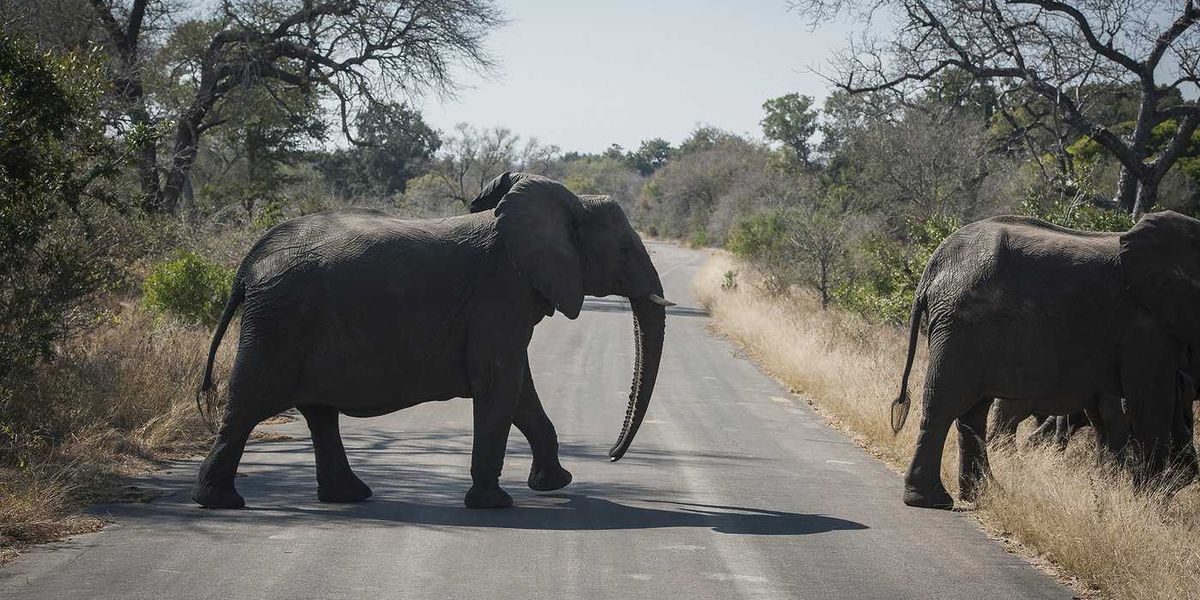
Longer Stays and Activity Participation Rise in Safari Tourism Trends – Image Credit Unsplash+
US Leads Safari Bookings, Outpacing Other Markets
Recent data from Asilia Africa, based on a three-year internal analysis from 2023/24 to 2025/26, highlights a significant shift in safari tourism trends. US travelers have become the dominant source market, accounting for almost half of all bookings. The United Kingdom follows at 9%, with Canada, Australia, and Germany rounding out the top five. Together, these five countries represent more than two-thirds of total safari bednights booked.
The report indicates that the US market’s growth is outpacing all others by a wide margin. While emerging markets such as Mexico, China, and Italy are showing notable increases, their overall share remains small compared to the US. Australia recorded steady growth, with a 32% rise in bookings over the period. In contrast, established European markets like Switzerland, France, Norway, Austria, and Belgium remained stable year over year.
Average Stay Length Increases, Especially at Remote Camps
The analysis found that the average length of stay at safari camps increased slightly, rising to 2.8 nights in 2025/26 from 2.7 nights in the previous two years. This modest increase was driven mainly by select camps in remote or unique locations. For example, Namiri Plains in Northern Tanzania saw the average stay reach 3.5 nights in 2025/26, the highest among the camps surveyed. The increase at Namiri Plains was attributed to its remote setting and distinctive wildlife experiences, particularly big-cat sightings, which encourage guests to extend their stays.
The Retreats at Namiri Plains, offering private villa-style accommodations, also contributed to longer stays, especially among groups and multi-generational travelers. Despite these increases, no camp exceeded a 3-night average in 2024/25, indicating that the overall trend toward longer stays is relatively recent.
Only one camp recorded a year-over-year decline in average stay length, dropping by 0.1 nights. The data suggest that itinerary structure and camp capacity, rather than lack of interest, are the primary factors limiting further growth in stay duration.
Guest Engagement in Activities on the Rise
The report highlights a sharp increase in guest participation in safari activities. The average number of experiences per guest has risen steadily over the past two years. Experience bookings grew by nearly 59% year over year, followed by an additional 38% growth the following year. This indicates a shift toward more immersive travel, with guests seeking to engage more deeply with their surroundings.
Game drives remain the most popular activity, but there has been notable growth in conservation and cultural experiences. Despite this, a small number of activities account for the majority of bookings, while over half of the listed activities received only a few reservations. This suggests that demand is concentrating around a curated set of standout experiences across Asilia’s camps.
Emerging Markets Show Growth, but the US Remains Central
While the US continues to dominate safari bookings, Asilia’s data points to growth from emerging markets. Bookings from Mexico more than tripled, China saw a sixfold increase, followed by a further 50% growth, and Italy experienced triple-digit growth from a small base. These trends indicate a diversifying client base, though established markets continue to account for the majority of bookings.


