









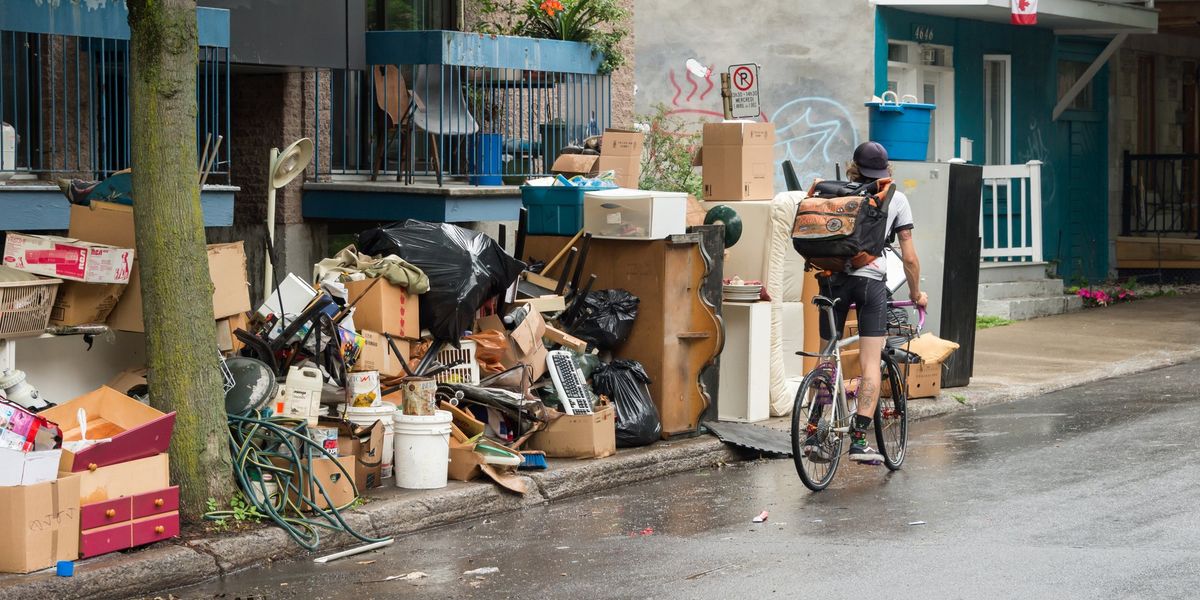
July 1 is just around the corner, which means Moving Day is about to take over Quebec.
Hundreds of thousands of leases will flip at the same time across the province, as the streets fill up with moving trucks and people carrying boxes.
But if you’re about to sign a new lease or renew the one you already have, you might want to pay close attention. The rules for rent increases in Quebec changed at the beginning of 2026. They now apply to every tenant across the province.
For context, Quebec’s old rules had been in place since the 1980s. Things changed after the Tribunal administratif du logement (TAL) recommended a 5.9% rent increase in January 2025. That was the largest proposed jump in over 30 years, and it brought heavy pushback from tenant groups. While Quebec does not have a legal cap or maximum limit on rent increases, for current 2026 lease renewals, the basic guideline is 3.1%.
Here’s a clear breakdown of what else has changed and why it matters to you.
The formula is simpler
Landlords used to calculate increases with more than a dozen economic indicators. The new version cuts that down to just four key pieces:
- Quebec’s Consumer Price Index averaged over three years
- Municipal property taxes and services
- School property taxes, but only if the increase goes over inflation
- Fire and liability insurance premiums
The change makes things more predictable for both sides. The downside is there is less flexibility if you end up disputing it at the TAL. Knowing exactly how the number gets calculated is more important now than it used to be.
Landlords have a clear renovation checklist
Another major update is the official list of big renovations that can support a higher increase. It includes things like roof or foundation work, major kitchen or bathroom renovations, replacing doors and windows, energy efficiency upgrades, and safety system improvements.
This part actually helps tenants. You can now compare what your landlord says against the official list instead of just accepting their explanation.
Important rules about government money
If the landlord received any grants, subsidies, or other public funding for the renovations, they must take that amount off before figuring out your rent increase. The point of this rule is to stop tenants from paying for work that taxpayers already helped cover.
If renovations come up as the reason for a bigger hike, ask them directly about any government assistance. They are required to be upfront about it.
You can find the full list of reasons tenants can refuse a rent increase right here.
Tips for July 1
Moving Day is already stressful enough without trying to figure out new rules at the last minute. If your lease comes with a rent increase, ask for a full written breakdown of how they reached that number.
Under the current rules, you have every right to see those details. Take a good look at everything before you sign. If something seems off or does not add up, you can push back. The new system is more structured, which gives tenants clearer ways to challenge increases when needed.
![30th Aug: Close Collabs (2026), 2 Seasons [TV-14] – New Episodes (6/10)](https://occ-0-171-92.1.nflxso.net/dnm/api/v6/0Qzqdxw-HG1AiOKLWWPsFOUDA2E/AAAABbI92wg6fWtGt7ZvgK-1wgYHUv9lyBCvz-iv2mCEY_xsTrZxxUOmvZcn11YGq7MjikkIeCRfrj_7xRAKpdpQ4ulpdPqLFO5_pfiJIEJ04qZDD3gdBso7Pn95D4Bajhyv28kfTtsFy30APw-FXLHjmQQqlUVZDrXMFTI1c5d2.jpg?r=864 "30th Aug: Close Collabs (2026), 2 Seasons [TV-14] – New Episodes (6/10)")