![2nd Oct: The Ramparts of Ice (2026), 2 Seasons [TV-14] – New Episodes (6/10)](https://occ-0-748-1001.1.nflxso.net/dnm/api/v6/0Qzqdxw-HG1AiOKLWWPsFOUDA2E/AAAABX4DrgRD26A6j5N1BpXa3Gn3I3mUeU5LcdhdIVpG_0IP_Ls4M-P0eEAaYEBkqZEzz3tD6ii6gfFRXvMBIWw2YCEivKQ3hNJ1mPLpxw9dc-poSOaW9zd5BPZru0AwnUhZs0zsqvpxSISKPFrrYa3q4UqwTIH0RpxbJAuUWEIS.jpg?r=f88 "2nd Oct: The Ramparts of Ice (2026), 2 Seasons [TV-14] – New Episodes (6/10)")



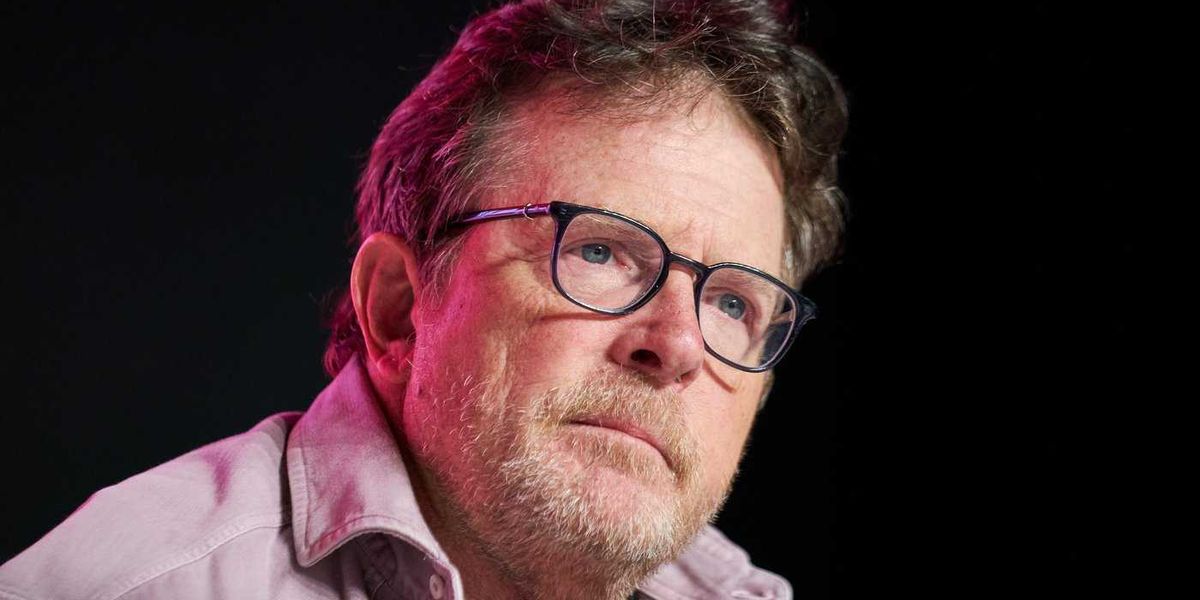
David A. Robertson writes he is passionately opposed to the idea that it is not manly to struggle, to cry, or to open up about emotions.FG Trade/Getty Images
I was interviewed for an article recently and one of the questions I was asked related to masculinity and mental health: Is it difficult to be vulnerable, sharing my mental health struggles as a man? The short answer was no. But the question stuck with me, forcing me to think about what masculinity means today.
It’s something I’ve considered often, being the father of two boys in an era where we see competing ideologies about manhood – on one hand, alpha male archetypes, and on the other, a more integrated identity that includes emotional openness. Unfortunately, sometimes the loudest voice is the one we hear, especially on social media, where toxic masculinity is often perpetuated. So how we parent our boys at home becomes even more important.
Who are my boys today, and who are they going to become? I am not going to prescribe that to them; I don’t think I could if I wanted to, but I believe in modelling and, at times, corrective behaviour. How I conduct myself should influence how they conduct themselves, and, where appropriate, I can teach them what to do rather than punishing them for mistakes. Even though I can’t force them to be anybody, I hope they have certain attributes, as men, that exhibit the kind of “masculinity” that matters. Here are three key pillars I try to teach them.
Show gentlemanly gestures of respect
My maternal grandfather was a consummate gentleman, and his example is something I aspire to. The world is changing fast, but I believe certain old-school qualities never go out of style. Shaking a person’s hand, for example. On my grandfather’s deathbed in the late ‘90s, one of the last things he did was shake his reverend’s hand. It was his way of saying goodbye. Whether it’s as a salutation or at a point of departure, when you’re meeting somebody or after a game of golf (where you should also take off your hat), I always shake hands. I’ll never eat with my hat on; I’ll always open the door for somebody (when I notice a person behind me), pull out chairs for guests, and walk closest to the curb to shield somebody from traffic.
All of these things aren’t just about etiquette; they are about noticing people and showing respect. When I have seen my boys falling short in these areas, a simple nudge and explanation can go a long way.
How to get kids to spend less time on their phones this summer, according to our experts
Stand up for those who need help
Considering others’ safety isn’t only about walking closest to the curb. In a broad sense, it’s about standing up for others who can’t stand up for themselves, or who need help (somebody to stand with them). It’s also about accepting an obligation to be reliable, vigilant and supportive in any environment.
I remember one of my proudest moments as a father was going to my son’s school many years ago because he’d punched a kid. Okay, that doesn’t sound great out of context. But my daughter, 2½ years younger than my son, was being bullied by that same kid, and one recess my son acted to protect her. His mother and I were called into the principal’s office after the incident, and while we explained to him that physical violence was not a great response, we did encourage him more importantly, to always stand up for others, including his sister, in the future. In any context, though, protecting others is a responsibility I want my sons to accept.
The best way to instill this as a parent is to demonstrate it in your own life. As a writer, a great deal of my work focuses on advocacy for those who do not have the platform I have. Whatever your walk of life, when you have the opportunity to act, you ought to act. There is no scale that is too small.
Know that vulnerability is strength
Another quality I consider when I think of masculinity is a willingness to face the internal battles of mental health. I’ve always been very open in my career as a writer. It has been in my mental health advocacy, though, where my vulnerability has been most visible.
There has been, and there still is, a picture of masculinity that doesn’t seem to fit with vulnerability. There is an idea that it’s not manly to struggle, to cry, to open up about emotions. I am passionately opposed to that portrait. Some of the strongest people I know are the ones who have struggled the most. If my boys thought, “I can’t talk about this because I’m a man,” I know that it would be dangerous for them, just as it’s been dangerous for many other men. This is why the vast majority of deaths by suicide are men (approximately three times higher among men than women). Traditional societal norms condition men to avoid vulnerability; the pressure to appear “strong and self-reliant” leaves men feeling isolated and far less likely to seek professional help.
Dads, it’s okay to struggle and ask for help
I want my boys to be able to open up, and to not think this openness is somehow diametrically opposed to masculinity. I think that people who are open, or who are struggling, are some of the strongest people I know. In the end, a boy is going to grow into a man, and it’s a parent’s job to guide them, as much as you can, to be a man who will take off his hat when a national anthem is being played at a game, who stands when a guest leaves the room, who uses his voice for those whose voices have been quieted, and who’ll understand that, as Ernest Hemingway wrote in Farewell to Arms: “The world breaks everyone, and afterward, some are strong at the broken places.”
That’s real strength. Not only acknowledging our brokenness, but understanding and embracing how resilient the healing process makes us. I hope my boys always know who they are as men, and that they can avoid the influence of toxic masculinity, embracing, instead, a healthier version of what it means to be a fully realized human being. If that’s who my boys become, and I think they are, nothing could make me prouder.
David A. Robertson is a two-time Governor-General’s Literary Award winner and has won the TD Canadian Children’s Literature Award and the Writers’ Union of Canada Freedom to Read Award. He is a member of Norway House Cree Nation and lives in Winnipeg.