
![3rd Sep: The Hard Corps (2006), 1hr 50m [R] (5.6/10)](https://occ-0-7328-1001.1.nflxso.net/dnm/api/v6/0Qzqdxw-HG1AiOKLWWPsFOUDA2E/AAAABS5oEcyExeuVNiAw_AW3Or5AUhw9ivbI2uZ-1A5kvbbpRvFZpcpMA3K8CkU6NZH9AhZDXVdNbHmAOoiuBMUA1xCkGcaHQ3wk8skk.jpg?r=ad2 "3rd Sep: The Hard Corps (2006), 1hr 50m [R] (5.6/10)")





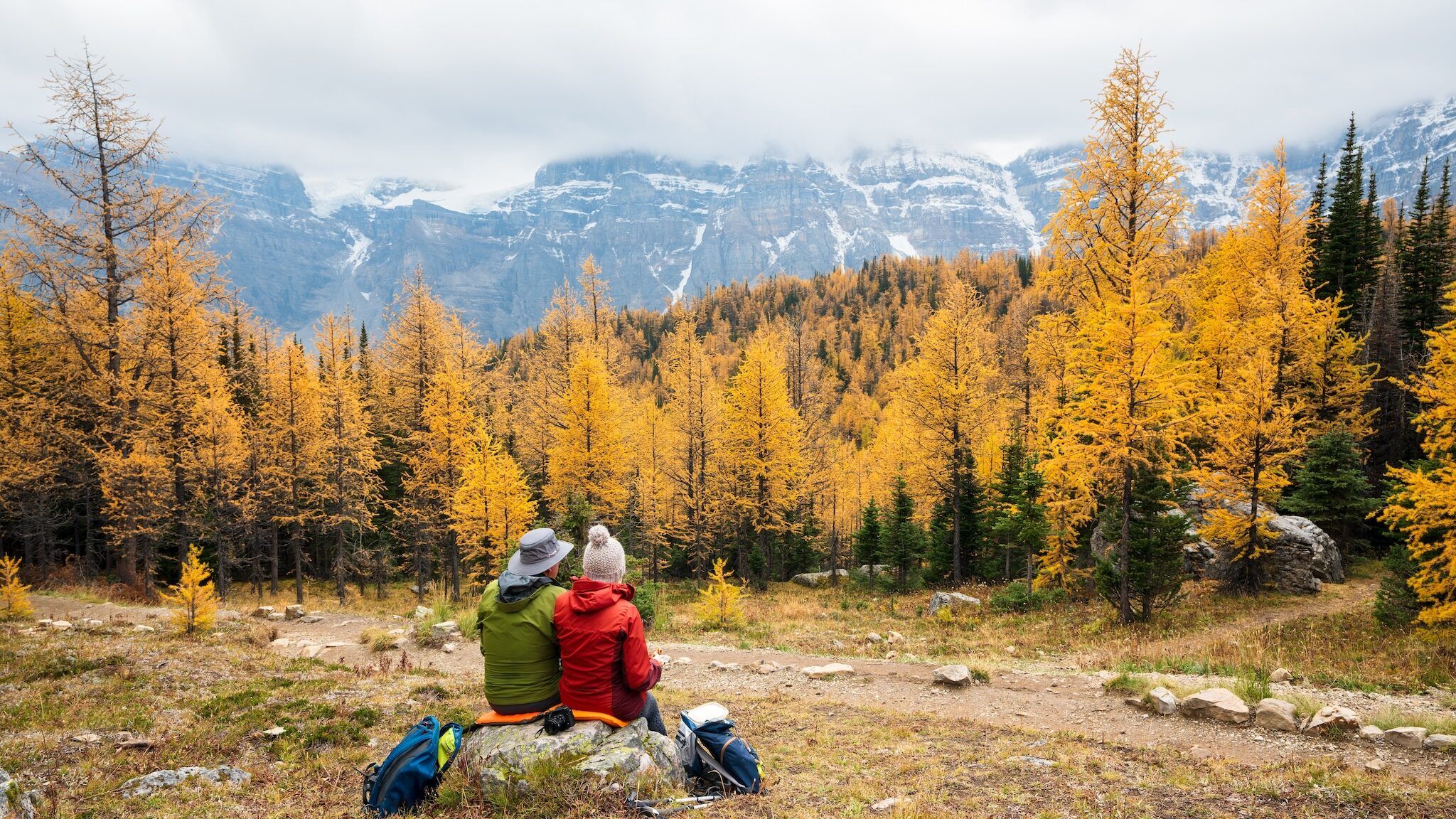
Every fall, Alberta’s mountain landscapes are transformed as the province’s larch trees turn brilliant shades of gold before shedding their needles for winter. For a short period each year, the trees add bright pops of yellow to the mountain scenery, making this a popular time to explore the Rockies.
But larch season typically lasts just a few weeks, so timing can make all the difference if you want to catch these trees at their peak.
If you’re hoping to catch the larches while they’re at their brightest, there are a few things to keep in mind when planning your trip.
From when the season usually starts to how to spot a larch and where to find them around Alberta, here’s what to know before heading out.
What to expect during larch season
When is larch season in Alberta?
Larch season is a relatively short window, with the trees changing colour as fall arrives. According to Alberta Parks, the prime window for seeing alpine larches turn golden typically runs from mid-September to early October, though timing can vary year to year depending on conditions.
That means there isn’t one specific weekend when every larch in Alberta will suddenly be bright yellow. Elevation, weather and location can all affect when the trees change, so if you’re planning a trip around the season, it’s worth checking recent conditions before you go.
What is a larch tree?
Larches look like other coniferous trees for much of the year, but there’s one major difference: they lose their needles. According to Alberta Parks, alpine larches, known scientifically as Larix lyallii, have soft needles that turn yellow in autumn before falling off for the winter.
How can you identify a larch?
You don’t need to be a tree expert to spot one once you know what you’re looking for.
The easiest giveaway is the needles. Unlike spruce or fir trees, larch needles grow in soft clusters and turn yellow in the fall. Eventually, those needles drop, leaving the tree completely bare during winter.
Where can you see larches in Alberta?
According to Alberta Parks, many popular larch hikes in Alberta’s provincial parks are in Kananaskis Country, although alpine larches also occur elsewhere in Alberta. Some of those locations are less well-known or tucked deeper into forested areas.
Here are some of the spots worth adding to your list:
- Larch Valley and Sentinel Pass
- Larch Valley is one of the most popular places to see Alberta’s golden trees. To get there, you’ll need to head to Moraine Lake and hike 4.3 kilometres to Larch Valley, and if you’re up for the challenge, you can continue another 2.5 kilometres to Sentinel Pass. According to Parks Canada, you’ll need to book a Parks Canada shuttle, a private tour, or another approved shuttle service to get there, as no vehicles are allowed at Moraine Lake.
- Taylor Lake Natural Area
- Taylor Lake is a longer larch hike, covering 16 kilometres round trip, but the trail itself isn’t considered particularly difficult for its length. According to Travel Alberta, you won’t actually see the larches until you’ve reached the lake, where you find golden trees reflecting across the water. If you still have some energy, you can continue along the short extension to Panorama Ridge. If you’re visiting on a weekend, plan to arrive early, as the parking lot can fill up by around 10 a.m.
- Healy Pass
- Healy Pass is another long hike with plenty of golden larches at higher elevations. The trail is 18 kilometres round trip and takes you through the forest before opening up to alpine meadows, where you’ll get a beautiful view of the larches. The trail starts from the Sunshine Village parking area, about 18 kilometres from Banff, and you’ll need to follow the Sunshine Village Access Road off the Trans-Canada Highway to reach the trailhead.
- Chester Lake
- The trail to Chester Lake takes you through the forest before opening up to the lake itself, where you’ll find larches scattered along the shoreline and surrounding slopes. The hike is 9.2 kilometres round trip with 300 metres of elevation gain. The trailhead is located off the Smith-Dorrien/Spray Trail in Peter Lougheed Provincial Park, with parking available at the Chester Lake trailhead.
- Pocaterra Ridge
- Pocaterra Ridge is one of the more challenging larch hikes, climbing through the forest before reaching a series of ridgelines with gorgeous views across Kananaskis Country. According to Alberta Parks, the trail is demanding, and conditions can change quickly at higher elevations, so check the latest trail report before heading out. The trailhead is located along Highway 40, with parking available at the Pocaterra Cirque trailhead.
What should I bring with me on a fall hike?
Fall in the mountains can look very different from fall in the city, so don’t assume you’ll get the same weather once you’ve reached the trailhead.
Come prepared with layers, proper footwear, snacks, water and bear spray before heading out for a hike. And if you’re hiking to a higher elevation, bring a waterproof or windproof layer, gloves, and a toque. Check the weather before you leave; Parks Canada notes that temperatures in Banff and surrounding areas can drop as the elevation increases.
What should I know about wildlife during larch season?
Larch season also lines up with rutting season, when male elk, moose, and other species can become territorial. According to Alberta Parks, the rut generally runs from mid-September through the end of October, and behaviour changes can make these animals more aggressive.
If you happen to run into one of these animals while you’re hiking, it’s advised that you stay 30 metres away, keep dogs on a leash and detour around them rather than trying to walk right past. And if you’re driving through the mountains, the same rule applies from inside your vehicle.
What should I know about bears during larch season?
Fall is an especially active time for bears in Alberta, as they prepare for winter by eating and drinking as much as possible. According to Alberta Parks, this can make bears less observant of their surroundings, so it’s important to stay bear aware.
Carrying bear spray is one of the easiest ways to be prepared. Alberta Parks recommends keeping bear spray somewhere you can reach quickly and making sure you know how to use it before you need it.
If you happen to come across a bear, give it plenty of space and never approach it for a photo. Keep your group together, make lots of noise and slowly move away from the area.
Recent posts:
Oktoberfest is coming to Calgary with a Bavarian dress-up contest and live entertainment
Here’s what’s open and closed in Calgary this Labour Day


Kaiya Williams
Kaiya is a Calgary-based writer and content creator with a background in marketing and digital storytelling. She has a passion for community-driven stories and covering local experiences that connect people.
Read articles