

![26th Sep: Bagman (2025), 1hr 33m [PG-13] (6/10)](https://occ-0-748-1001.1.nflxso.net/dnm/api/v6/0Qzqdxw-HG1AiOKLWWPsFOUDA2E/AAAABej0F20VYKuW4M-vnGH1CQH_vmG7RA8FY1hJ9mG5Pb9DRJuKvq3TEDnQz01sxe6KbuOeC4erlUp0ssaRzGBrba2QxX2Ekv3gXiqXnn1IcrIorOOgST0veHIOR3tktM9_1etMG2UbzR2oYjAvqELZGGOTvXXZ38i4wno6Z8pFL5HyzQ.jpg?r=faf "26th Sep: Bagman (2025), 1hr 33m [PG-13] (6/10)")







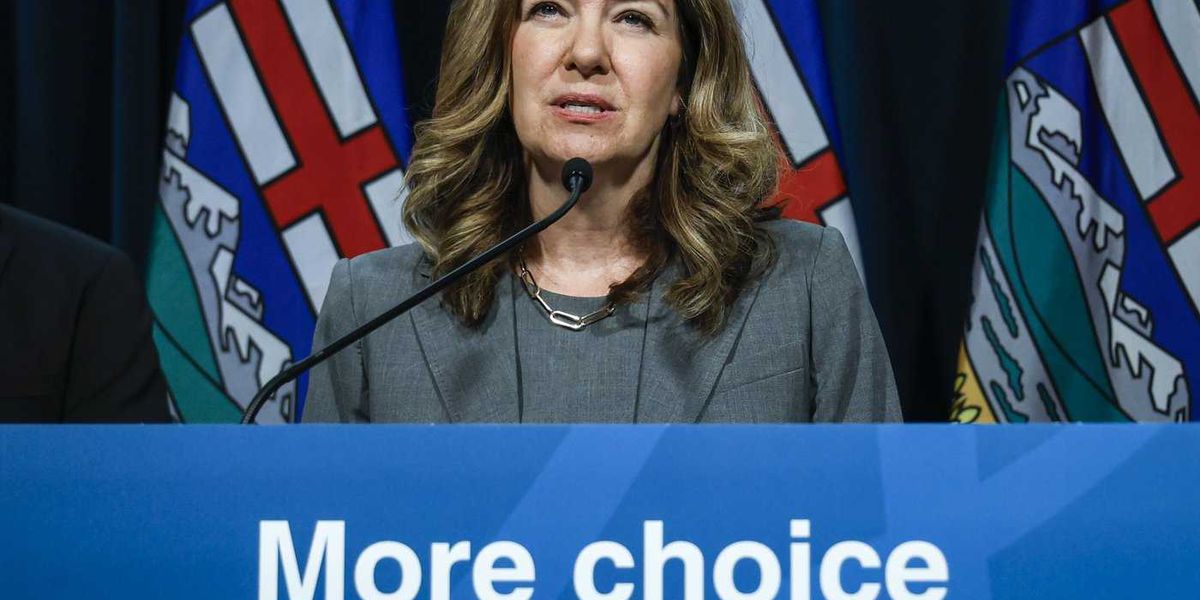
Albertans soon head to the polls to not only vote on Confederation but also on a raft of questions on immigration – questions that in recent months have spawned more questions.
On Oct. 19, Albertans vote on whether they want to stay in Canada or whether it’s time to hold a second binding referendum on leaving Confederation.
It’s one of 10 questions Albertans are being asked to vote on.
Five others focus on immigrants, including whether the province should take more control over who is allowed to arrive and whether some newcomers should pay or have to wait a certain period to access core services.
Alberta Premier Danielle Smith has said they welcome newcomers but must balance that with the prohibitively high cost of social services.
But the five referendum immigration questions have spurred questions about how the province plans to take more control over the process, what the new limits will be, what fees some newcomers might be charged and whether the new rules will apply to those who have already arrived.
Earlier this week, Smith and Finance Minster Jason Nixon, asked by reporters if some rule changes will apply to those already in Alberta, said it needs to be determined and only if voters give them the go-ahead on Oct. 19.
“We have to talk about that as a cabinet. I want to see if we even have a mandate to do it,” Smith said.
The immigration questions emanate from a series of town halls Smith held around the province last summer workshopping ways to shield the province from federal overreach. The meetings sparked fiery exchanges on immigration, including loud cheers for mass deportations at one town hall in Lloydminster.
Smith has faced criticism that charging some newcomers premiums to access education and health care amounts to a discriminatory head tax. She has pushed back, saying that many other jurisdictions charge temporary residents premiums to access public health care.
Opposition NDP Leader Naheed Nenshi said the immigration questions aren’t about money or the economy, but about blaming newcomers.
“The government doesn’t know what these questions mean,” he said.
He noted Smith in 2024 urged the federal government to help Alberta fast track more newcomers to her province only now to warn that too many newcomers is unsustainable.
“She suddenly realized that immigrants were a helpful scapegoat for her government’s failures, so now she’s become anti-immigrant,” Nenshi told reporters Friday.
Not so, Immigration Minister Joseph Schow said Friday in an interview. He said it’s about putting Alberta’s economic needs first.
“(The discrimination argument) is a very narrow-minded view of what we’re trying to do as a province,” Schow said. “The prime minister knows that he has bills to pay, and he knows that Alberta pays those bills and we want to continue to be that economic driver of the country.
“But with poor management of immigration within the country, that may not always be able to be the case.”
The province says temporary workers cost the province $1 billion a year in health care and education but only contribute $150 million in taxes.
“These are services that are important for people to have access to, but they’re also services that are expensive, and as taxpayers, Albertans should have the ability to get access to these services,” he said.
Schow said a twelve-month requirement is “at least a reasonable starting block” to ask people to live in Alberta.
When asked to define Alberta-approved immigration status, Schow said: “in terms of the finer parameters, we’re still working that out.”
When asked what fee the province might charge newcomers for health care or education, Schow said they’re looking to get a mandate first.
“Then we’ll make a path forward about what that number looks like for us,” he said.
When asked why the government wasn’t defining what the immigration target might be before Albertans vote, Schow said that number will change from year to year.
Schow said it’s about the province setting its priorities for workers in industries that are in high demand, and that labour mobility is important.
“This comes down to industries that are in need and us submitting our allocation requests particularly in the provincial nominee program,” he said.
This report by The Canadian Press was first published Sept. 26, 2026.
By Dayne Patterson | Copyright 2026, The Canadian Press. All rights reserved.