![4th Oct: Morning Drama Series Welcome Home, Monet (2021), 120 Episodes [TV-PG] (6/10)](https://occ-0-902-999.1.nflxso.net/dnm/api/v6/0Qzqdxw-HG1AiOKLWWPsFOUDA2E/AAAABbK086lihbcYQqcqtcIuBMLdWKzgOjyGyhyCj0OVgHeRFY_MUbq2VZ81PTCQ0pZ2Ner_kY-P8hDeaZKuOLL1MNHMprwiVRiBXhVwYJ1X9td6Dba1my1cnSeI4b5ZHepWp8SAtKjgMis6b_0PYoc9V5ALfb5u1whvBycfJo7LUd6HVA.jpg?r=0cf "4th Oct: Morning Drama Series Welcome Home, Monet (2021), 120 Episodes [TV-PG] (6/10)")




We’ve all said it at least once: “The book was better.” Maybe it explored the characters with more depth, or it paced the plot better than the adaptation. Sometimes it doesn’t even come down to mechanical know-how or structure. Sometimes, the book just makes you feel more.
However, some movies go beyond merely adapting a story for the screen. That’s the case with Ridley Scott’s most controversial and maligned 2001 hit, Hannibal, now free to watch on YouTube.
This article contains spoilers for both the 1999 novel and the 2001 movie adaptation, Hannibal.
On paper, Hannibal should have been a surefire success. Director Ridley Scott of Alien fame was in charge. Not only had he proven himself a visual genius with 1982’s Blade Runner, but he was also more than capable of handling macabre horror, as he did when bringing Ridley and the xenomorph to the silver screen. Furthermore, Harris’s portrayal of incarcerated psychiatrist Hannibal Lecter was well loved, with the 1988 novel The Silence of the Lambs selling over 10 million copies by 1999, and the 1991 film adaptation grossing over $273 million worldwide.
With so much acclaim following the novels and Lambs, it’s no surprise that producer Dino De Laurentiis, who held the film rights to Hannibal Lecter after his 1986 adaptation of the serial killer’s story in Manhunter, wanted a piece of that very successful pie after that movie flopped. Cue Harris’ sequel (one that he reportedly did not want to write) in 1999 and Scott’s adaptation, Hannibal, in 2001, both set several years after the previous entry.
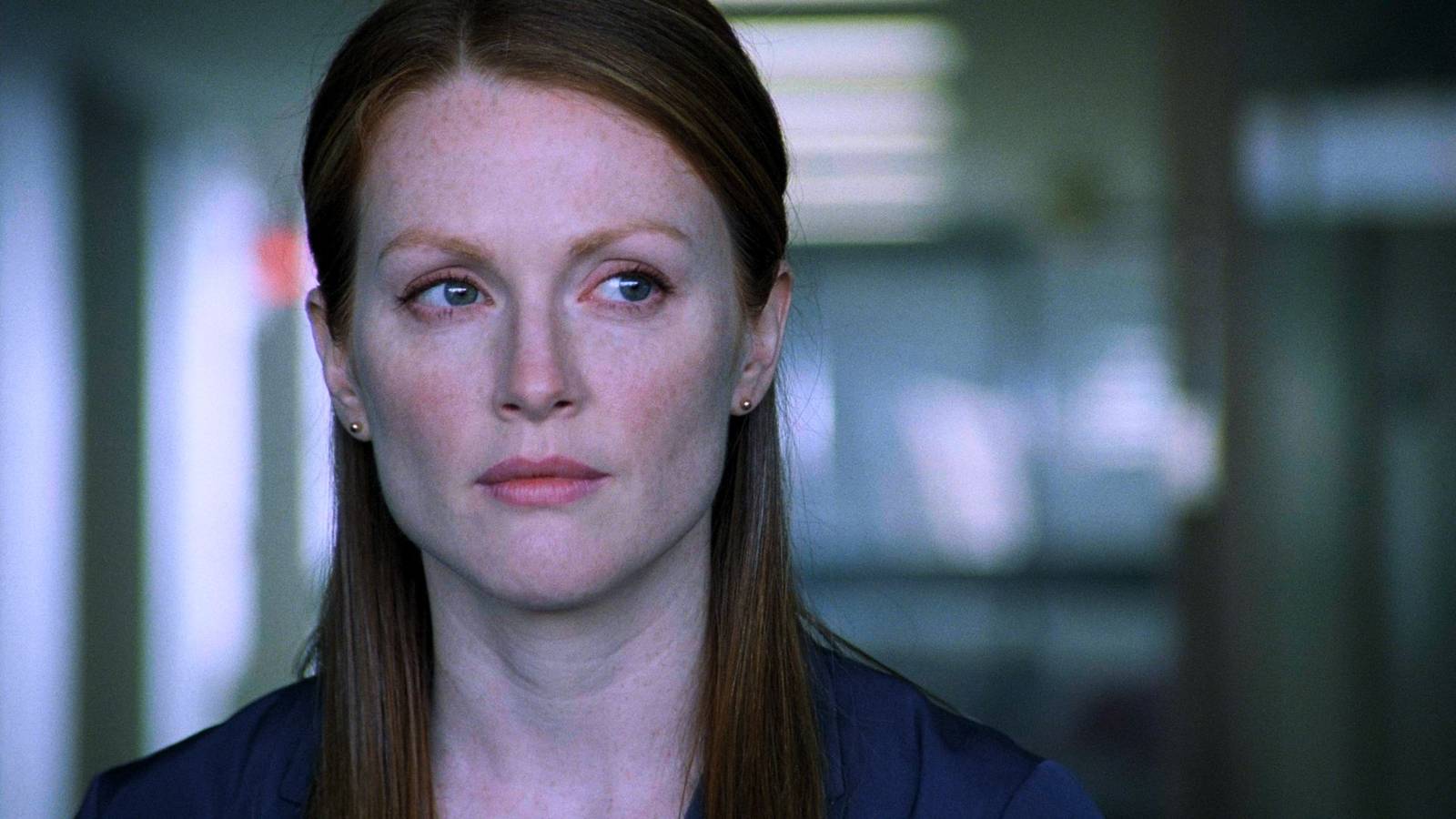
In the sequel, Hannibal Lecter (Anthony Hopkins) tracks down Clarice Starling (Julianne Moore, who replaced Jodie Foster) after a raid goes awry and FBI higher-ups lay the blame at her feet. Jaded but determined to do what’s right, Clarice renews her hunt for Hannibal, with whom she shared a relationship that could only be described as complicated during her hunt for the serial killer Buffalo Bill. Unfortunately for Clarice, one of her only leads is Mason Verger (Gary Oldman), a depraved pedophile who was once a patient of Hannibal’s. Unbeknownst to Clarice, Mason is after Hannibal as well, hoping to feed the cannibal to his pigs. Meanwhile, Hannibal is thoroughly enjoying himself as an art curator in Italy, though he keeps tabs on Clarice’s deteriorating reputation within the FBI.
The Hannibal novel controversy explained

From the very beginning, Scott and Laurentiis had a tough job on their hands. Not only was Silence of the Lambs a beloved film, but the book they were adapting proved so controversial that, despite its commercial success, it didn’t win over critics. Lambs’ quiet unease made every page-turn feel like you were peeking around a corner, anticipating a scare each time. Hannibal, by contrast, felt like Harris was chasing cheap shocks. The cheapest and most mean-spirited was the ending for Clarice: After intense torture and brainwashing from Hannibal, she ends up in a romantic relationship with the cannibal.
It’s an ending that has left readers torn for decades. For Clarice Starling’s original actor, the phenomenal Jodie Foster, and Lambs’ director, Jonathan Demme, adapting a book that reduces Starling from a fiercely intelligent young woman to a simpering wreck felt like character assassination of the highest order.
“It was easy,” Foster told Variety in an interview, recalling the decision not to return as Clarice in Hannibal. “We [herself and Demme] waited years for that novel that Thomas Harris said he was writing, that he probably wrote in eight weeks.” She later stated that Demme said no because he didn’t “appreciate” the book. Foster later clarified her own feelings in a 2005 interview with Games Radar, where she said she turned down the role officially because she was filming something else. She added that Clarice meant so much to her and Demme, and that there was “no way that either of us could really trample on her.”

However, unlike Demme, who prided himself on staying as close as possible to Harris’ original material, Scott’s adaptation went out of its way to address the source material’s crimes by completely changing the ending. Instead of Clarice being tortured and brainwashed into becoming Hannibal’s toy, Scott had Clarice attempt to arrest Hannibal in her kitchen by handcuffing him to herself — not realizing that Hannibal was willing to chop off his own hand to escape. In this ending, Clarice still fails, but not at the cost of her sanity.
Reactions to the changed ending differ. Some fans felt it corrected misogynistic writing, whereas others argued that any book following Hannibal Lecter carried an expectation that terrible things would happen to others, regardless of whether they were main characters. Lecter doesn’t just devour people physically but also metaphorically — making his brainwashing of Clarice feel all the more poignant.
Regardless, Hannibal didn’t even come close to The Silence of the Lambs’ success, with critics and audiences alike feeling that Scott stripped the film of tension as it veered toward gore, violence, and shock. That’s a damning condemnation from a director as talented as Scott, but not surprising given that the source material had turned off those who had loved working on the previous movie.
Even so, Scott’s take on Hannibal deserves another chance. The portrayal of the vulgar Mason Verger is one of Gary Oldman’s best performances, combining disgust and terror so effectively that every hiss from the machines keeping Mason alive is unnerving. Moore also does a phenomenal job of making Clarice her own, conveying the character’s determination and zeal with ease.

Ultimately, though, Hopkins’ return as Hannibal is what makes Scott’s adaptation worth revisiting. His portrayal of the cannibal in Lambs was unnerving, but this time, viewers get to see Hannibal with freedom and luxury. It’s an intoxicating watch, and while it may seem overtly campy at times, Hopkins still captures Hannibal’s snake-in-the-grass aura as easily as breathing.
Hannibal was never going to beat the iconic horror movie that came before it. The Silence of the Lambs remains a beloved, mind-bending horror-thriller that challenged the status quo. Its sequel lost everything that had made watching Hannibal so bewitching in the first place. Yet, if you’re a fan of Lecter or want to see Scott’s painstaking attempts to tackle something different from his usual sci-fi fare, you owe it to yourself to give Hannibal a chance.