![27th Aug: The Hot Seat (2026), 2 Seasons [TV-MA] – New Episodes (6/10)](https://occ-0-2705-2706.1.nflxso.net/dnm/api/v6/0Qzqdxw-HG1AiOKLWWPsFOUDA2E/AAAABdxxczQtMun-5frgVq1b00VVflczABka-djd2CWOcN99KLqCwmcMxZ6k-oMpRsvm2ZmZojIoVgCGJjZFE-2-npVXip2oTVyNtC2ZDLD23uv4f0DP8WEsFZyRa78h_a6mjFMK04UKrm5uI_VEDLRSC4FdkEpSZ_xru94RE_N_.jpg?r=a8b "27th Aug: The Hot Seat (2026), 2 Seasons [TV-MA] – New Episodes (6/10)")








Just over two weeks after the partial solar eclipse that passed over the city earlier this month, Montreal sky gazers are in for another treat tonight.
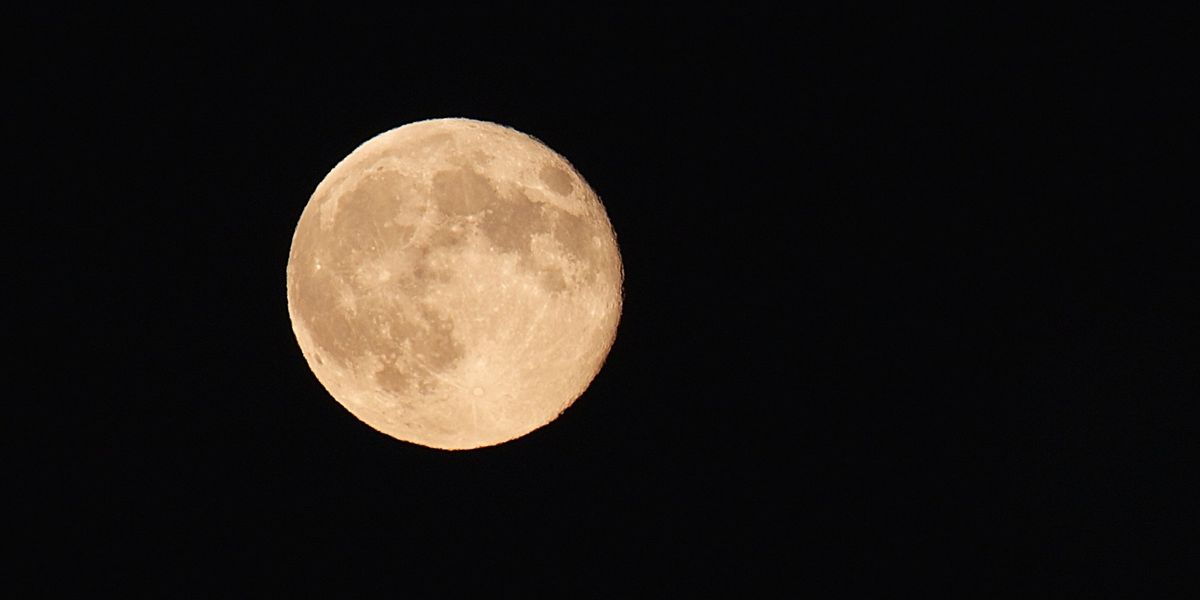
A partial lunar eclipse will unfold overnight, and unlike its solar counterpart, this one comes with no special equipment required and zero risk to your eyes.
When to watch
The eclipse plays out in stages tonight into tomorrow morning, according to Montreal’s Planétarium. Here’s the full timeline:
- 9:23 p.m.: The eclipse begins as Earth’s outer shadow, or penumbra, starts touching the moon
- 10:33 p.m.: The partial phase kicks off as the moon begins slipping into Earth’s darker inner shadow, the umbra, and starts turning red
- 12:12 a.m.: Maximum eclipse hits, with the moon at its closest point to the centre of Earth’s shadow and about 93% of its diameter covered
- 1:51 a.m.: The partial phase wraps up as the moon starts exiting the umbra
- 3:01 a.m.: The eclipse ends completely as Earth’s penumbra clears the moon’s face
The whole event runs 5 hours and 38 minutes from start to finish, but midnight is the moment to set an an alarm for. That’s when the moon will be almost fully swallowed by Earth’s shadow, sitting fairly high in the south-southeast sky.
What makes this one special?
This is technically classified as a partial eclipse rather than a total one, since the moon won’t fully disappear into Earth’s umbra. But with roughly 93% coverage at its peak, it should look close enough to total for most people watching from the ground. It’s also the last lunar eclipse Quebec will see this year. After tonight, the next one isn’t due until the night of January 11-12, 2028, and a total lunar eclipse won’t happen again until June 25-26, 2029.
The eclipse will be visible across all of North, Central and South America, so Montreal isn’t the only city getting a show tonight. Locally, the forecast is calling for mostly clear skies and a temperature around 20°C, which should make for solid viewing conditions if that holds.
How to watch it
No glasses, filters or telescopes are needed. Just find a spot with a clear view of the sky, ideally somewhere away from bright streetlights, and look up. A pair of binoculars will pull out more detail if you’ve got some on hand, but they’re not required to enjoy the show.
Tips for photographing it
Anyone shooting with a DSLR or film camera should start around ISO 400 at an aperture of f/8, and use the strongest zoom available, ideally somewhere between a 300mm and 500mm focal length. As the eclipse approaches its peak, stretching the exposure out to somewhere between 1 and 15 seconds pulls out more detail, and a tripod is worth setting up for those slower shutter speeds.
Smartphones make it even easier. Switch to video mode, zoom in as far as it’ll go, then lower the focus and exposure manually so the moon’s craters and darker patches stand out more clearly. From there, photos and video can be captured at the same time.
AI tools may have been used to support the creation or distribution of this content; however, it has been carefully edited and fact-checked by a member of MTL Blog’s Editorial team. For more information on our use of AI, please visit our Editorial Standards page.

![27th Aug: Call Me Mother (2025), 2hr [TV-14] (6/10)](https://occ-0-2705-2706.1.nflxso.net/dnm/api/v6/0Qzqdxw-HG1AiOKLWWPsFOUDA2E/AAAABW1O_N1iEcX5JWKMDd75iDPdtYY83lnwG1Q9XPpBZlObeeRmiJ2JxpfayOwJtnwf0S1eOdqoubw2Wp7wgDhP0-JSjgDVYtP8MtqdcNBBNYBct7kr5t-vXaFtk4kSjrtoPVn_tIGdidNITBO8V0SVEb-SZMU1BxuM9_7DU46Iz6IvdQ.jpg?r=124 "27th Aug: Call Me Mother (2025), 2hr [TV-14] (6/10)")