









We’ve done it, guys – spring has sprung, the dregs of winter are beginning to feel like a distant, grey memory, and a summer of swishing down Aperols and sunning ourselves on Europe’s glorious sandy shores is almost (almost!) upon us.
From budget-friendly city breaks and paradisicial beaches to ‘coolcations’ and otherworldly scenery, Europe really has got it all when it comes to summer holiday options – but its popularity is both a blessing and a curse.
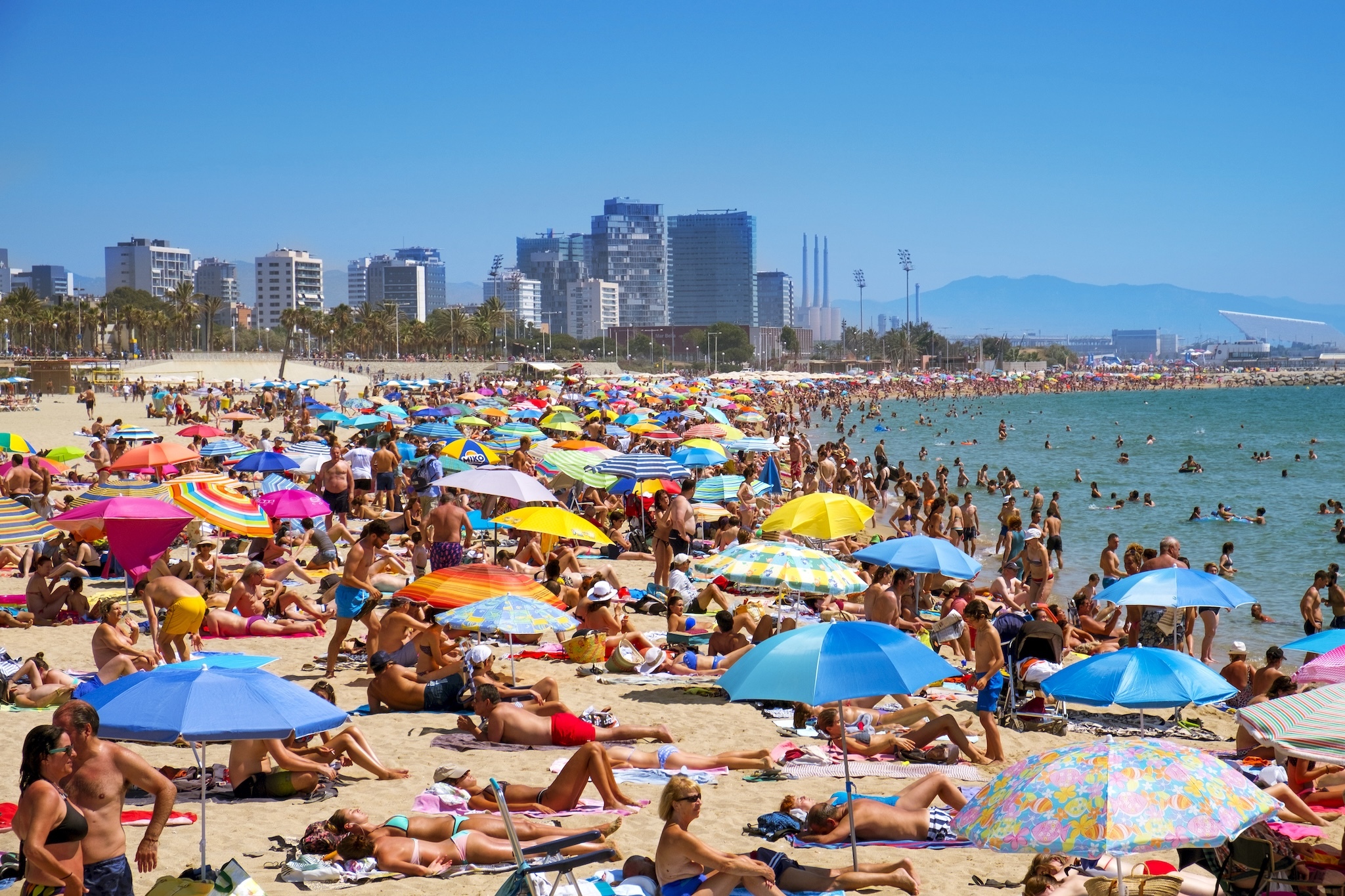
Many European destinations are suffering under the weight of ever-growing tourist numbers, and it’s on us as travellers to better mitigate our habits and ensure we visit new places responsibly.
However, lots of destinations – be them landmarks, islands, or whole cities – are also initiating policies to ensure they don’t buckle completely. Below, we’ve outlined all the tourist charges, visitor caps and new rules to be aware of if you’re planning a holiday in Europe in summer 2026.
Recommended: editors on where you should travel in 2026.
New rules at top tourist attractions
For many, visiting the top landmarks is a must-do on any city break. But, in order to limit damage from crowds, historic sites all over Europe have begun introducing visitor caps, entry fees, or both to raise funds that go towards maintenance.
The Louvre recently doubled its entry fee for non-EU nationals, and after a record-breaking number of visitors were welcomed in 2025, the Prado, Spain’s largest museum, also announced a cap on visitor numbers earlier this year.
There could be a €12-15 entry fee for non-worshippers looking to enter Cologne Cathedral, and in Italy, you’ll now have to pay to visit both the Trevi Fountain in Rome and Juliet’s Balcony in Verona.
No bad behaviour, please
Everybody cuts a little loose on holiday, but a handful of destinations have implemented new rules to mitigate the merriment. There’s talk of a ban on the sale of alcohol from shops between certain times in the Croatian city of Split, and at the end of 2025, Mallorca announced restrictions on new short-term rentals and party boats.
Heard of Funes? It’s a tiny Italian village with showstopper views of the Odle Peaks in the Dolomites, but thanks to a surge in visitors triggered by social media virality (and subsequent littering and trespassing), it plans to put up barriers and implement resident-only zones.
Destinations capping numbers
As for places which are introducing thresholds on visitor numbers, the stunning Italian island of Capri said: ‘Tourists? [We want] all of them, but not all at once’. In the summer, tour groups arriving on the island will be capped at 40 people.
While Madeira isn’t capping its total visitor numbers, plans have been announced to limit the number of hikers on its most popular trails at any one time, as well as upping the entry fee, which is already in place.
And finally, new tourist taxes
Levies aimed at visitors are nothing new, but they do come in different forms across Europe. Venice’s controversial day-tripper fee has already relaunched for the summer season, and we reported that Barcelona plans to double its nightly tourist tax for visitors.
For more information on all things tourist taxes in 2026, have a read of our full and comprehensive guide.

Everything you need to know about Europe’s EES
Last but certainly not least, the brand-new Entry/Exit System for the EU and Schengen Area member states will have rolled out in its entirety on Friday April 10, so brush up on everything you need to know about how it might affect your travel plans in our comprehensive EES guide.
Did you see that these are Europe’s best cities for green space and access to nature, according to locals?
Plus: This European summer hotspot has launched a ‘selfie trail’ for tourists.
Stay in the loop: sign up to our free Travel newsletter for all the latest travel news and best stuff happening across the world.


